

24 Space Above Kitchen Cabinets Ideas That Actually Look Intentional
This platform is proudly ad-free! To keep it that way and support our efforts, some posts may contain affiliate links. These links come at no extra cost to you, but they help us grow and continue providing valuable content. Thank you for your understanding and support!
That awkward gap above your kitchen cabinets usually ends up holding dust and clutter. Most kitchens waste this space entirely, treating it as dead visual real estate when it could be your best design opportunity.
This high-visibility zone shapes how your whole kitchen feels and functions. The right approach here can add storage, display your most beautiful objects, or create architectural interest that makes people notice your kitchen instantly.
This list shows actual design concepts you can adapt to your kitchen’s style and budget. Each idea works whether your cabinets reach close to the ceiling or leave generous breathing room. No complicated renovations required.
Pick the approach that matches your kitchen’s personality. Your space is about to feel completely different.
1. Vintage Apothecary Jar Collection
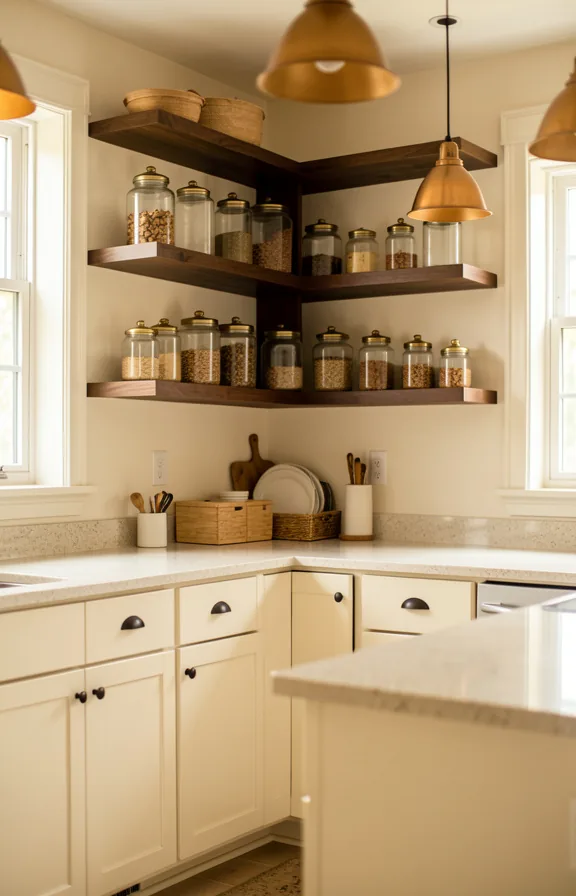
Warm amber tones glow softly from a row of glass apothecary jars lined above your cabinets. Each vessel holds dried botanicals, vintage labels catching the light with quiet purpose.
This look works because it fills dead space with genuine character, not clutter. The glass lets light pass through while the amber, cream, and green hues create visual rhythm.
Your kitchen gains the feel of a botanist’s studio or an old-fashioned pharmacy. It’s personal without requiring constant updating or maintenance.
Pro Tip: Vary the jar heights and sizes to avoid a uniform, sterile look that reads as too styled.
2. Open Floating Shelf Library
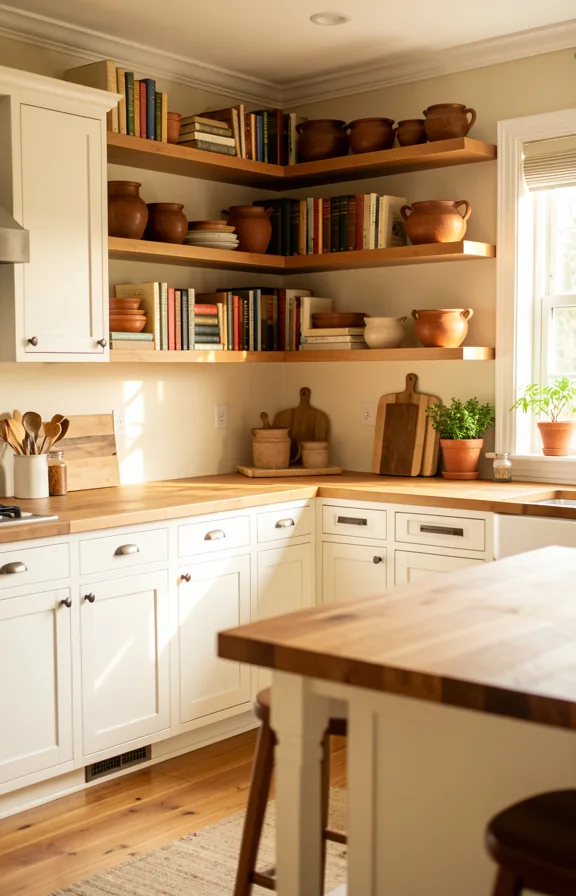
Warm wood tones and cream linen textiles soften the kitchen’s hard lines above your cabinets. Floating shelves hold a curated collection of cookbooks, pottery, and vintage glass jars.
The space feels like a personal library, not a storage dump. Soft brass or bronze shelf brackets catch light and reinforce the intentional, collected-over-time aesthetic.
Natural wood grain becomes the anchor color, paired with whites, creams, and muted terracotta accents. Layered heights and varied object widths create visual rhythm.
This approach works best with warm, diffused lighting from beneath or within the shelves. The glow highlights texture without casting harsh shadows across your cooking zone.
Pro Tip: Use books as anchors, then layer smaller objects in front to create depth and keep shelves from looking sparse or corporate.
3. Woven Basket Storage Wall
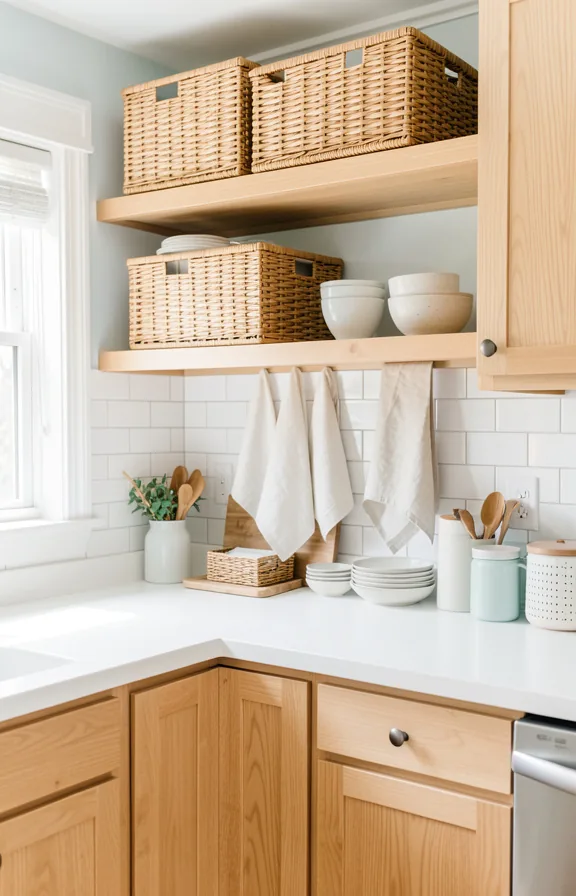
Warm terracotta and natural jute tones line your upper kitchen wall, creating a rhythm of texture above the cabinetry.
Stacked woven baskets in varying sizes feel collected, not staged. Light streams across the wicker, casting soft shadows that shift through the day.
The baskets hold everyday items: linens, cookbooks, pantry overflow. Everything stays functional while your eye travels upward and rests on handmade forms.
Cream or soft white walls let the basket weave become the focal point. No competing patterns or bold colours needed.
Pro Tip: Choose baskets with open weave patterns so light passes through. Tightly woven baskets can feel dense and block sightlines across your kitchen.
4. Brass Crown Molding Detail
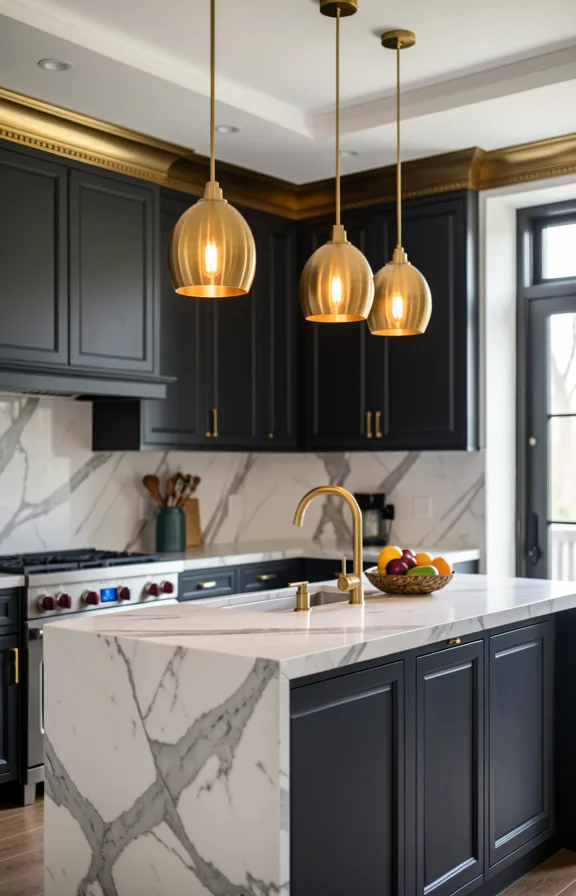
Warm brass crown molding frames the top of your cabinetry like a piece of jewelry. It catches light differently throughout the day, creating subtle shifts in how the kitchen feels.
The molding bridges the gap between cabinet and ceiling with architectural intention. Your eye reads it as a deliberate design choice, not an afterthought or empty void.
This works best in kitchens with warm undertones in your backsplash, hardware, or countertop. The brass anchors the entire upper zone without needing anything else above.
Most rooms benefit from keeping the space above completely clear when molding is this visible. Clutter competes with the profile and breaks the clean line.
Pro Tip: Match your brass molding finish to your cabinet hardware and light fixtures for visual rhythm across the entire kitchen.
5. Potted Herb Garden Display
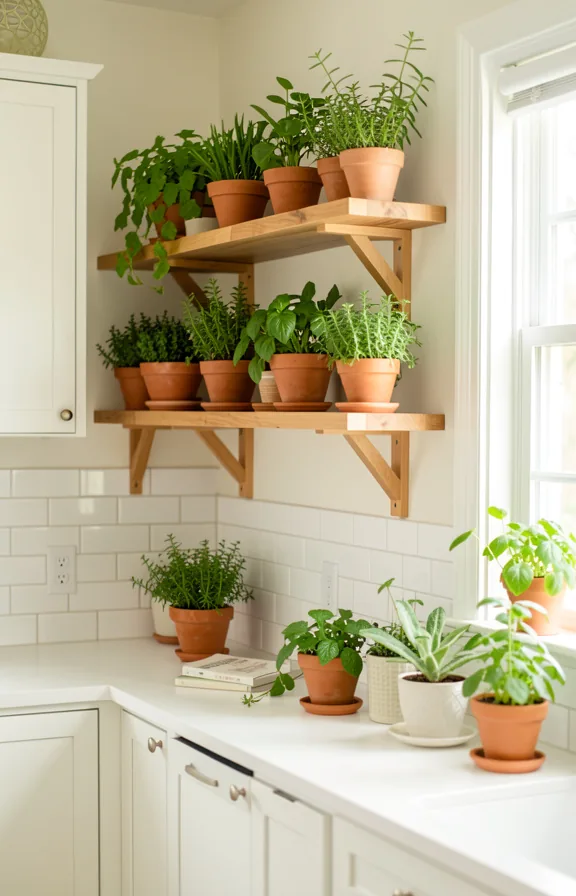
Rough terracotta pots catch soft afternoon light across the cabinet line, each one holding basil, thyme, or oregano in varying stages of green.
Your kitchen gains a lived-in kitchen-garden feel without looking cluttered or staged. The neutral clay tones work against any cabinet color.
Sunlight from a nearby window becomes part of the display, casting subtle shadows that change throughout the day. This turns a blank architectural void into something with actual life.
Potted herbs are functional too, so the space above cabinets stops being decorative-only and becomes part of your workflow. You’re not storing objects. You’re storing ingredients.
Pro Tip: Group pots in odd numbers and vary their heights slightly to avoid a rigid, store-bought appearance.
6. Stacked Antique Cookbook Shelf
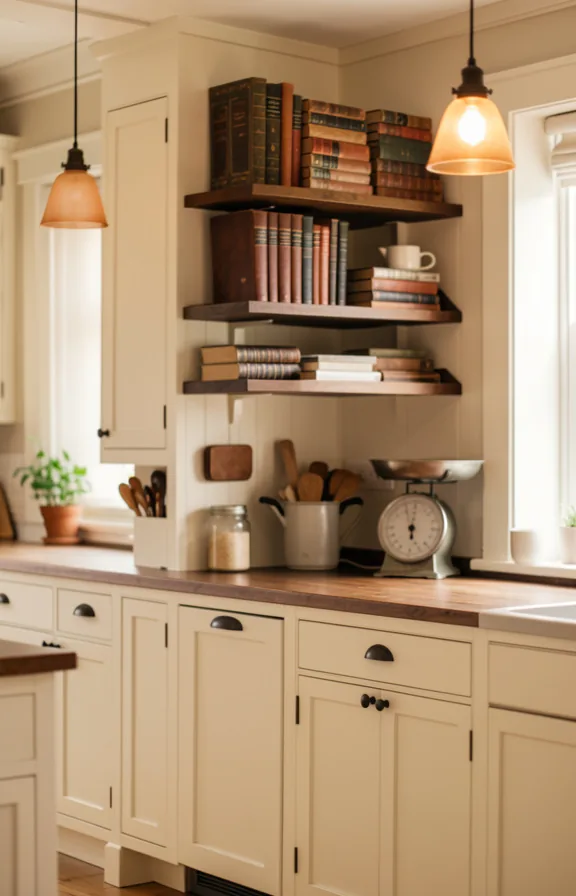
Warm amber tones from aged book spines line the cabinet tops in a casual, lived-in stack. The cookbooks lean at gentle angles, their cloth and leather covers catching soft morning light.
This approach works because books feel personal rather than decorative. Your eye moves naturally across real textures: faded burgundy fabric, worn gilt lettering, creased paper edges.
The palette stays neutral and warm: cream walls, natural wood cabinetry, and those honeyed book tones create rhythm without visual noise. Your kitchen feels like it belongs to someone who actually cooks.
Group cookbooks by colour, not size, for a relaxed, authentic look. Mix vintage editions with current ones to avoid the staged feeling.
Pro Tip: Stack books at varying angles and heights rather than in perfect rows; this signals they’re actually used, not just displayed.
7. Ceramic Pitcher Arrangement
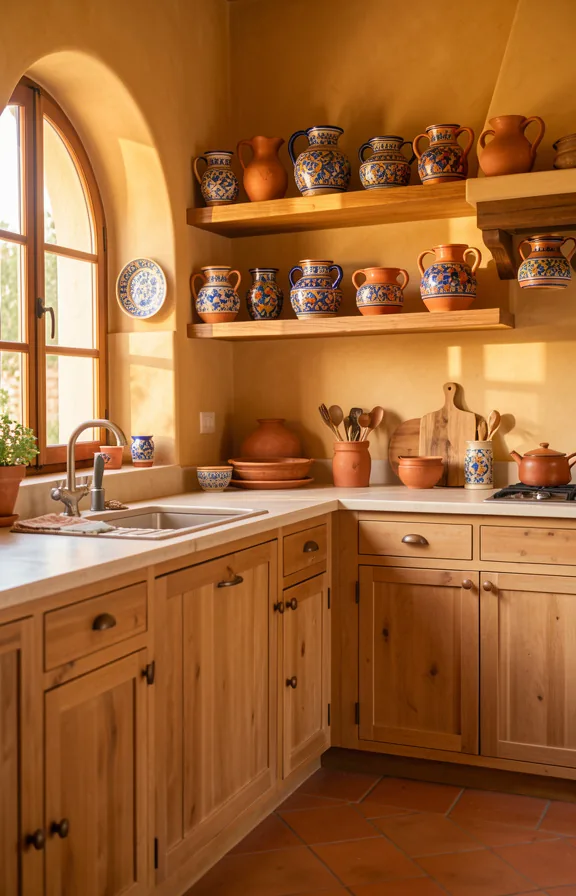
Rough terracotta against a white wall reads as intentional, not cluttered. A grouping of ceramic pitchers in varying heights creates visual rhythm above your cabinets.
Choose pieces in warm clay tones, dusty blues, or hand-painted earth patterns. Odd numbers work better than pairs, so three or five pitchers feel collected rather than matched.
This arrangement works well in kitchens with open shelving or glass-front cabinets. The arrangement needs breathing room, so keep the top of your cabinets clear of clutter elsewhere.
Mix glazed and matte finishes to add depth. A taller pitcher in the center anchors the group naturally.
Pro Tip: Group pieces by color temperature rather than exact matching, which keeps the look organic and less show-like.
8. Shaker Style Open Shelving
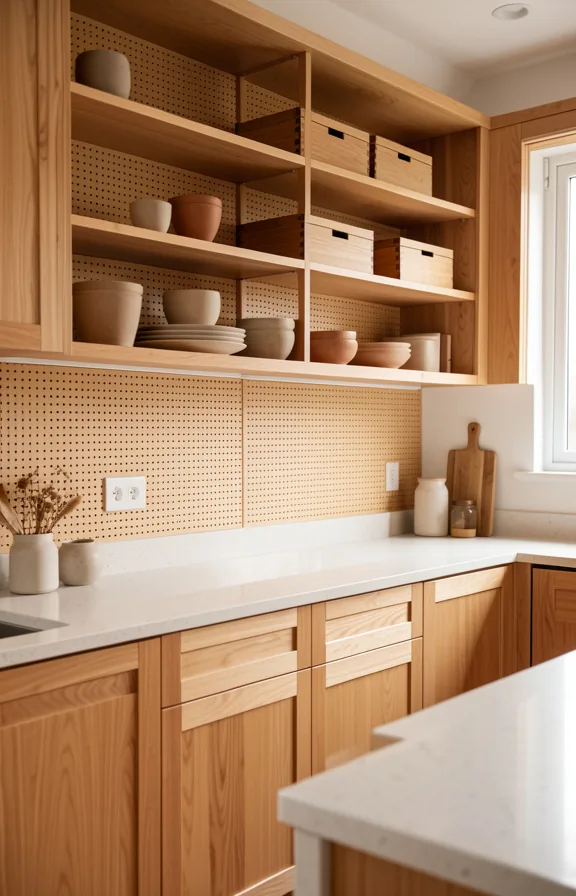
Natural wood shelving sits clean and unfussy above cabinets with recessed panel doors and simple hardware.
The palette stays neutral: warm cherry or walnut wood, creamy white walls, soft gray countertops.
You display pottery, small plants, and vintage glassware on the shelves without clutter or fussiness.
Soft overhead lighting catches the wood grain and casts gentle shadows across the face of each shelf.
The room feels organized, honest, and grounded—like form follows function without pretense.
Pro Tip: Space shelves 12 to 14 inches apart to match standard cabinet heights and feel proportional to your cabinetry.
9. Copper Cookware Hanging Rack
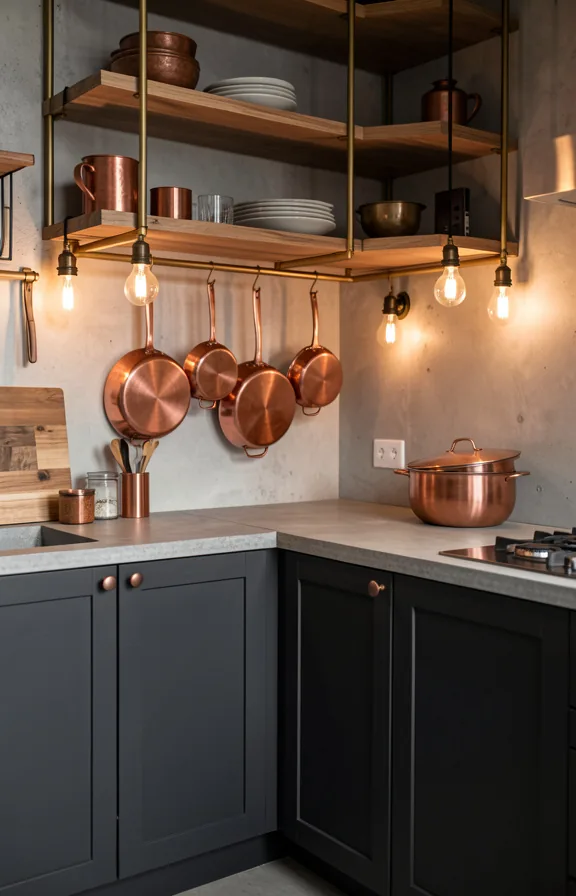
Warm amber tones from polished copper pans catch the light above your cabinets, creating a working display that feels both functional and artful.
This approach works best in kitchens with darker lower cabinetry or matte black hardware where the metallic warmth creates visual contrast.
The key is arranging pans by size and handle direction so they read as intentional, not overcrowded or random.
A single hanging rod in matte black or stainless steel keeps the focus on the cookware itself rather than the fixture.
Pro Tip: Mount your rack slightly below the crown molding so light can reflect off the copper without creating harsh shadows on your wall.
10. Botanical Print Gallery Wall
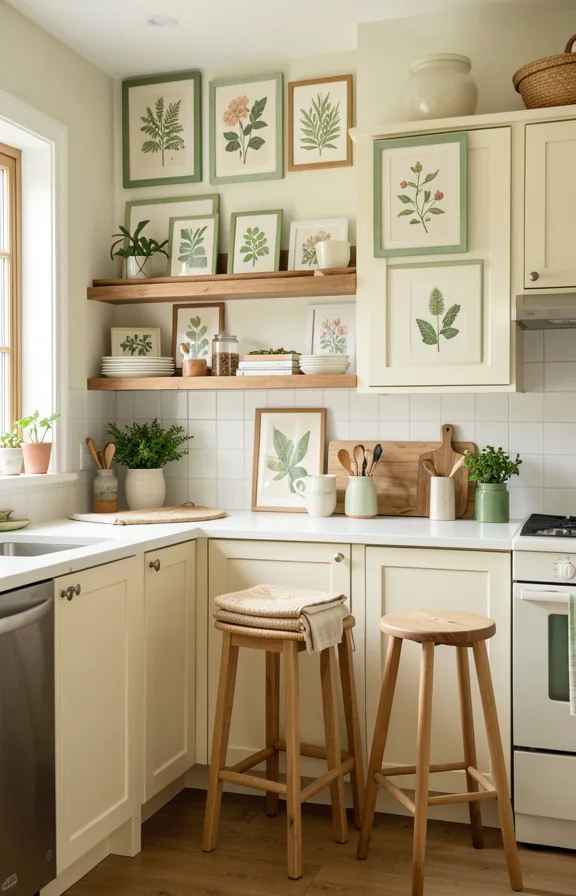
Framed botanical prints arranged above your cabinets create an intentional focal point without clutter. Think pressed fern illustrations, vintage leaf studies, and hand-drawn plant sketches in natural wood or black metal frames.
This approach works because botanicals feel collected over time, not designed all at once. The natural subject matter complements stainless steel appliances and warm wood tones equally well.
Keep frames consistent in depth and finish. Mix frame sizes slightly, but stick to two colors maximum for cohesion.
Vary the spacing between prints so the eye moves naturally across the wall. Uneven spacing looks intentional; perfect alignment looks sterile.
Pro Tip: Hang prints at eye level from the cabinet edge, not the wall, so they relate to your counter activity rather than floating above it.
11. Rustic Wood Beam Soffit
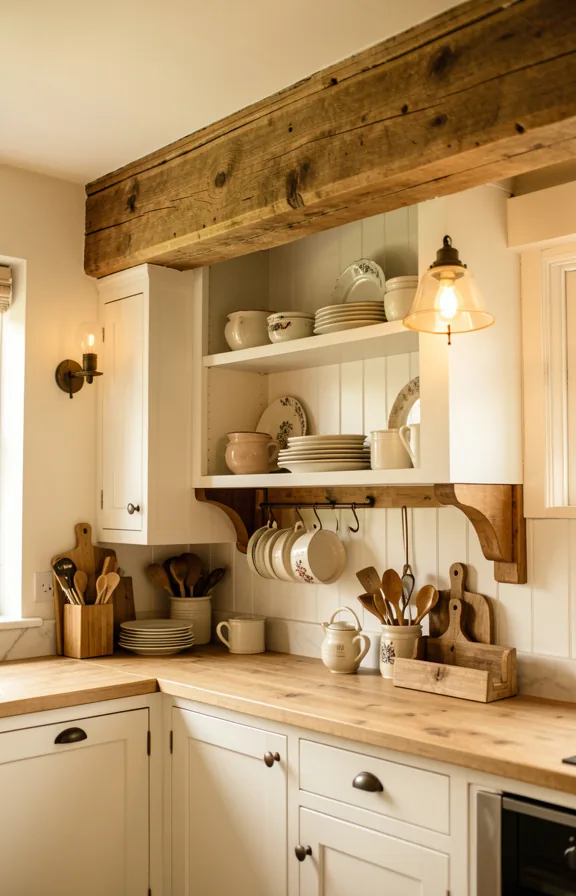
Warm amber tones from exposed wood beams run the length of your kitchen, anchoring the space with farmhouse character.
Reclaimed or hand-hewn timber spans between white painted cabinetry, catching soft light from pendant fixtures below.
The rough grain and weathered finish create visual weight without feeling heavy, grounding an otherwise open ceiling.
Your eye moves naturally from cabinet to beam, creating rhythm and intentional architecture.
Pro Tip: Match beam depth to your cabinet height for proportional balance, not visual competition.
12. White Marble Countertop Extension
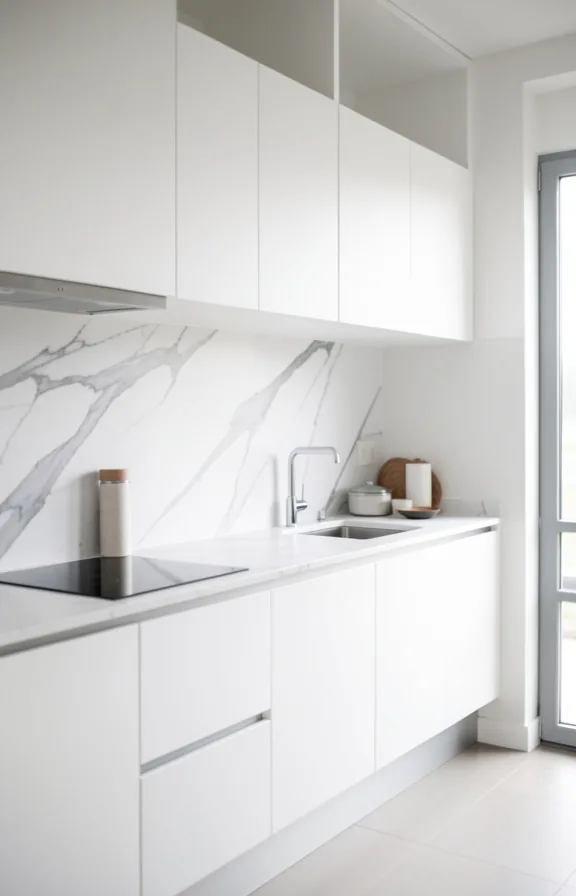
Veining in white marble catches light as it runs across the top of your upper cabinets. The surface extends the countertop visual upward, creating architectural continuity.
This approach works best in kitchens with clean lines and minimal clutter above the cabinetry. The marble acts as both functional ledge and design statement without competing for attention.
Soft, diffused lighting from under-cabinet fixtures highlights the stone’s natural patterns. The space above feels intentional rather than wasted.
Polished marble reflects light and amplifies brightness in smaller kitchens. Honed finishes work better in high-traffic areas where fingerprints show easily.
Pro Tip: Extend your countertop material upward rather than starting fresh. Material continuity makes spatial decisions feel deliberate instead of accidental.
13. Glass Cloche Cake Stand Grouping
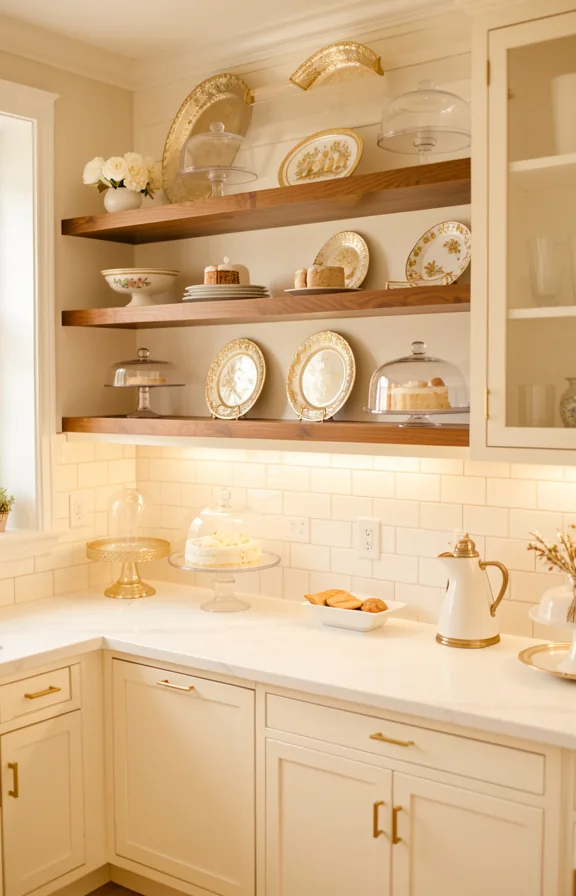
Three glass cloches in varying heights sit low across your cabinet top, each protecting a vintage cake stand or small decorative object below.
The glass catches light without cluttering the visual space. Your eye moves across clean lines and negative space between each dome.
This works especially well in kitchens with white or cream cabinetry and natural wood shelving. The transparency keeps the look airy, not heavy.
You can swap what’s inside the cloches seasonally. A ceramic bundt cake, a stack of linen napkins, dried botanicals.
Pro Tip: Group odd numbers of objects for visual balance, and keep the glass interiors mostly empty to maintain the lightness.
14. Vintage Scale and Utensil Display
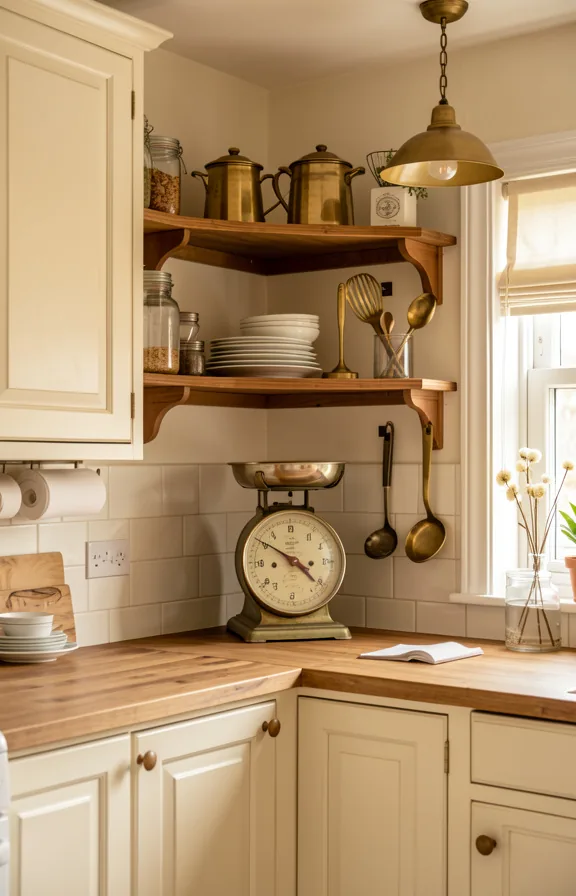
Warm amber tones from a brass kitchen scale anchor the shelf alongside copper measuring spoons and wooden-handled utensils.
Your cabinets gain honest character without looking cluttered or accidental. The scale becomes a functional focal point, not decoration.
Soft warm lighting from under-cabinet strips brings out the patina on brass and highlights tool textures at eye level.
This arrangement works because it tells a real story about how your kitchen actually functions and gets used daily.
Pro Tip: Group items by material, not color, to avoid a rainbow effect that reads as collection rather than lifestyle.
15. Open Concept Kitchen Pantry
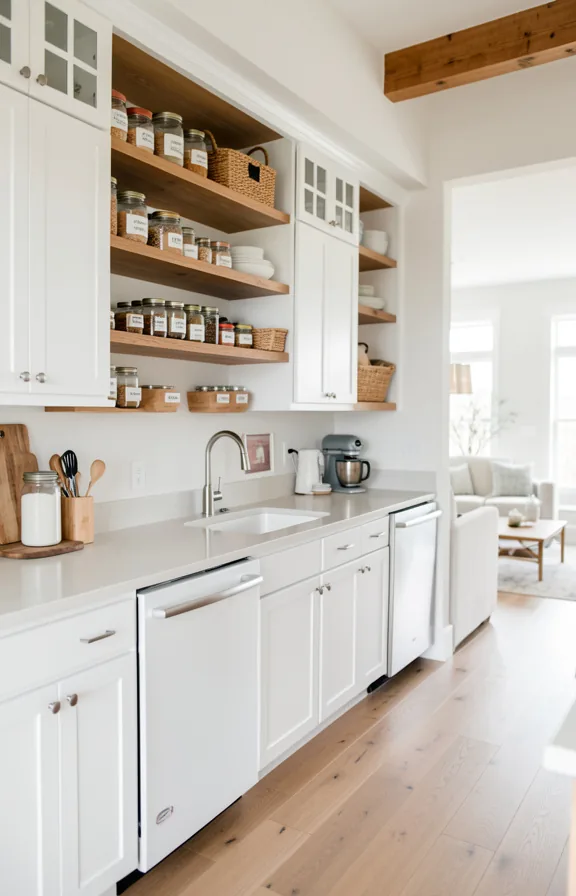
Warm wood tones and exposed shelving blur the line between kitchen storage and living room display. Your cabinet tops become open pantry space that connects two rooms visually.
Natural light floods across woven baskets and glass jars holding everyday staples. The shelves stay functional without feeling cluttered or utilitarian.
Soft brass or brushed nickel brackets support the open shelves above your cabinets. Neutral ceramics and natural materials echo what’s visible in the adjacent seating area.
The space feels intentional because it’s organized like a kitchen, not styled like decor. Your morning routine is visible from the sofa without announcing itself.
Pro Tip: Use matching basket weaves and consistent shelf heights to create rhythm across an open kitchen-to-living room transition.
16. Industrial Wire Basket Shelves
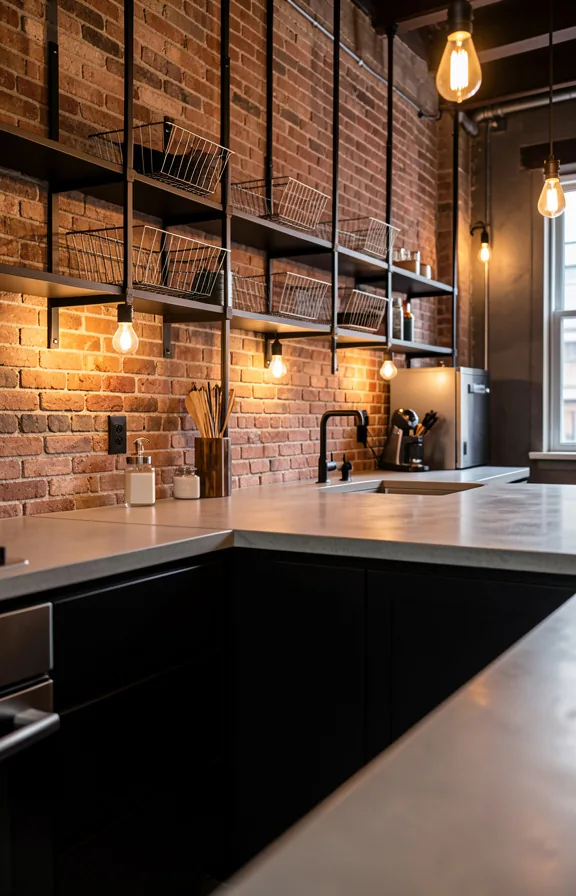
Matte black wire baskets mounted above your cabinets create an exposed, utilitarian look that feels both modern and grounded.
This style pairs well with stainless steel appliances, dark cabinetry, and concrete or brick accents for an authentic industrial kitchen.
The open mesh design keeps the space from feeling heavy, while still giving you functional storage that’s visible and accessible.
Stack lightweight ceramic dishes, rolled linen kitchen towels, or small potted herbs inside the baskets for texture and purpose.
Warm pendant lighting hung below cabinet level makes the metal edges glow without casting shadows on your work surface.
Pro Tip: Choose baskets with a powder-coated finish rather than bare metal; it resists fingerprints and oxidation far better in a kitchen environment.
17. Farmhouse Enamelware Collection
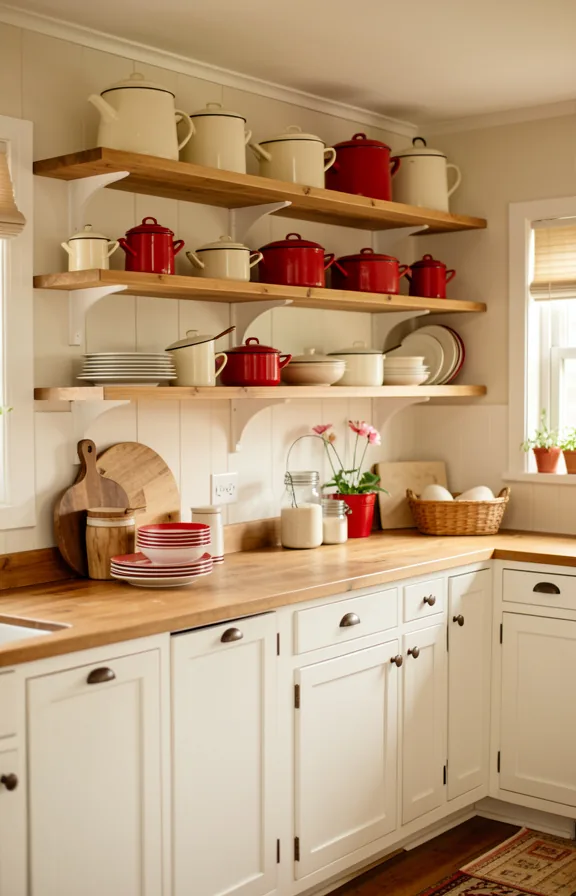
Cream and white enamelware pitchers, bowls, and vintage camp mugs line the shelf above your cabinets like a collected story. The soft matte finish catches light differently than ceramic or glass, creating subtle shadows that add depth.
Pair these pieces with natural wood open shelving or painted white cabinetry for maximum contrast. Keep the background simple so the enamelware becomes the focal point, not a competing visual.
Enamelware’s farmhouse character works because it feels honest and functional, not decorative for decoration’s sake. Your space reads as a kitchen that actually lives.
Pro Tip: Group similar colors together (all creams, or all pale blues) rather than mixing random shades to avoid a cluttered, unfocused look.
18. Floating Walnut Wood Ledges
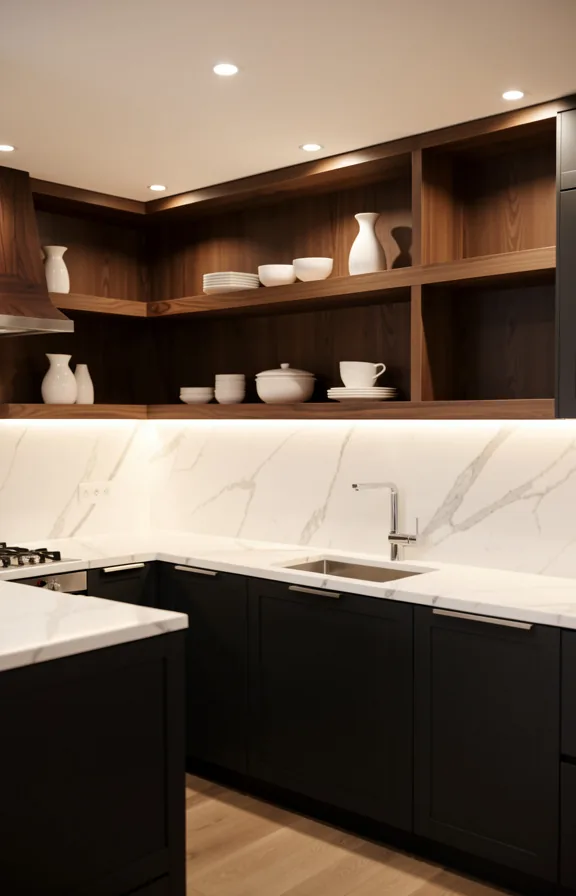
Warm walnut floating shelves create clean horizontal lines above dark cabinetry. The rich wood grain anchors the upper zone without visual clutter.
Your kitchen gains architectural weight and warmth through the shelf depth alone. Keep surfaces mostly bare, leaving breathing room between a few objects.
Pair the wood with matte black hardware and soft ambient lighting underneath. The ledges feel intentional because they’re functional, not just decorative.
This approach works in smaller kitchens because floating shelves don’t interrupt sightlines. The wood also balances cool cabinet finishes and stainless steel appliances.
Pro Tip: Mount walnut shelves at least 12 inches above cabinet trim for visual balance and to avoid a cluttered appearance.
19. Stone Corbel Shelf Support
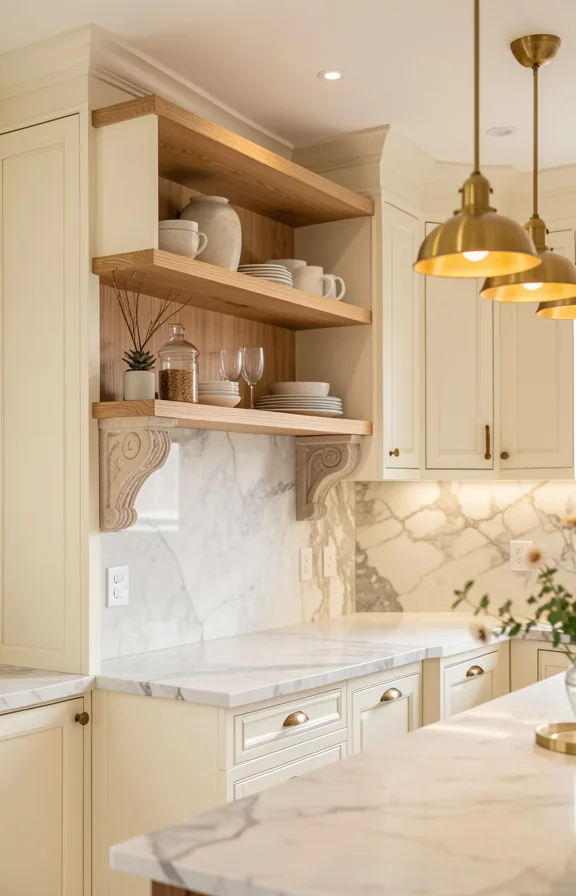
Carved stone corbels beneath open shelving create instant architectural weight and heritage character.
Your eye lands on the crafted details first, then travels upward to vessels and greenery resting on pale wood shelves.
The palette stays soft: cream cabinetry, warm limestone corbels, natural wood tones, and brass or bronze hardware throughout.
This approach works because corbels signal investment and intentionality without requiring expensive materials elsewhere in the kitchen.
Light from above washes across the stone textures, revealing carved surfaces and creating gentle shadows that prevent the space from feeling flat.
Pro Tip: Choose corbels with minimal ornament if your kitchen leans modern, or opt for detailed carving if your style is traditional.
20. Open Shelving with Ladder Access
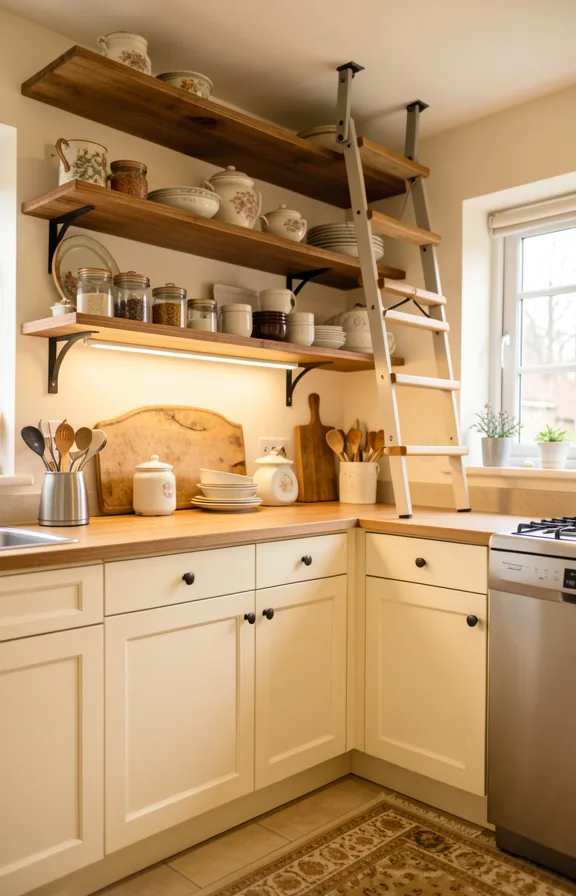
Warm cream cabinetry meets natural wood open shelving positioned just out of daily reach. A brass or matte black rolling ladder leans against the wall, ready when you need it.
This setup feels purposeful, not like leftover dead space. Your most beautiful dinnerware lives here, alongside a few cookbooks and a small potted plant for softness.
The ladder itself becomes a design detail. Consider a library-style brass rail or a simple wooden ladder that matches your shelving material.
Lighting matters here. Warm under-cabinet lights cast a gentle glow on the displayed items below, making the upper shelves feel like a curated collection rather than storage.
Pro Tip: Match your ladder’s finish to your cabinet hardware or shelving wood to create visual cohesion across the kitchen.
21. Plate Rail Gallery Display
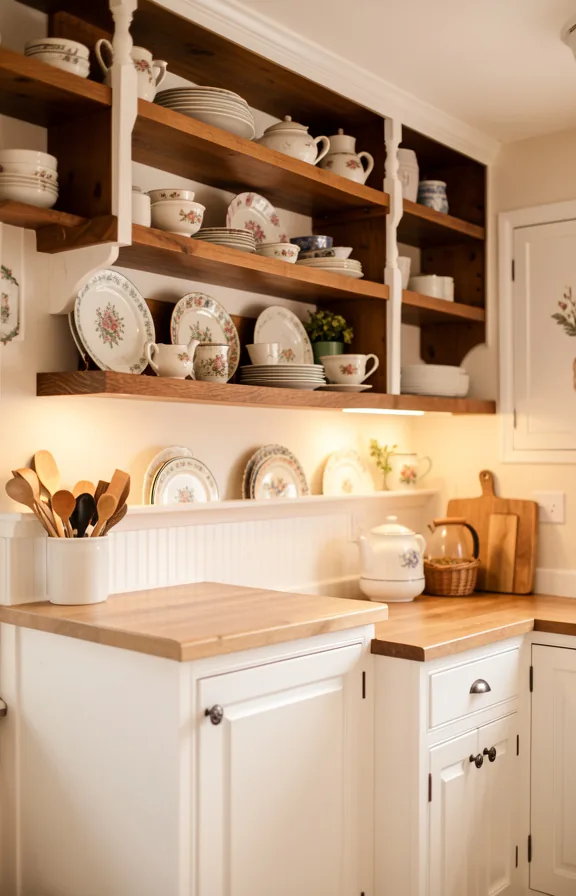
Ceramic and porcelain plates hang in a tight, rhythmic line across your cabinet tops. The spacing feels intentional, not scattered.
A plate rail system holds them securely while keeping your wall clean of holes. Most kitchens work best with cream, white, or soft blue plates against painted walls.
Soft, warm overhead lighting catches the plate edges and creates gentle shadows. This deepens the architectural character without needing extra lighting fixtures.
The look reads as collected and thoughtful, not like a storage solution. Your eye travels naturally across the line as you move through the room.
Pro Tip: Install the rail at consistent height across all walls, even if cabinet heights vary. This creates visual continuity that grounds the whole space.
22. Recessed Wooden Cabinet Box
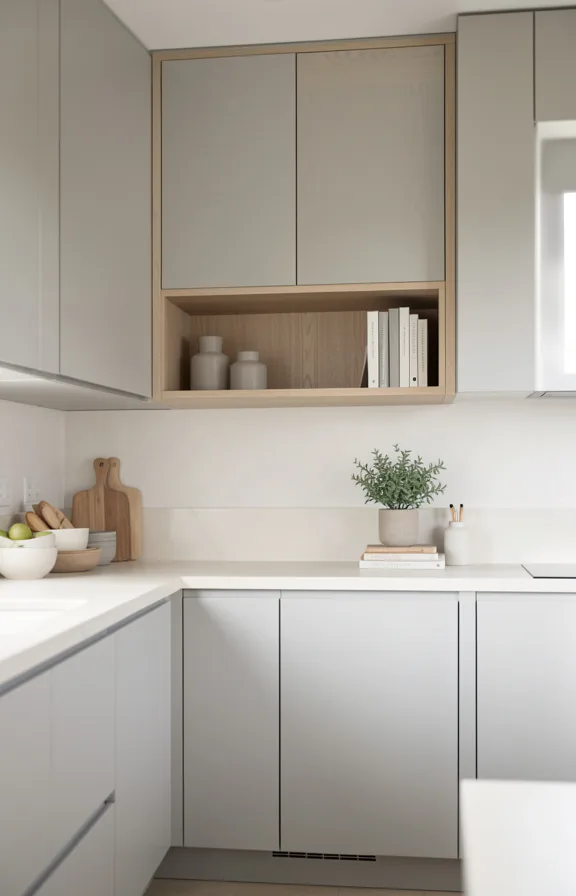
Light grey cabinetry frames a recessed wooden box built directly into the wall above. The box sits flush with your upper cabinets, creating one unified storage line.
Natural wood tones anchor the space while soft overhead lighting casts gentle shadows across the grain. This architectural detail feels intentional, not like an afterthought.
Inside the box, you might store cookbooks, a few ceramic pieces, or leave it bare to highlight the wood itself. The recess prevents dust from collecting on top.
Cream-coloured walls and soft brass hardware complete the transitional feel. The whole effect is clean, structured, and quietly sophisticated.
Pro Tip: Build the box slightly deeper than standard cabinet depth to create visual distinction and genuine storage capacity.
23. Minimalist White Marble Niche
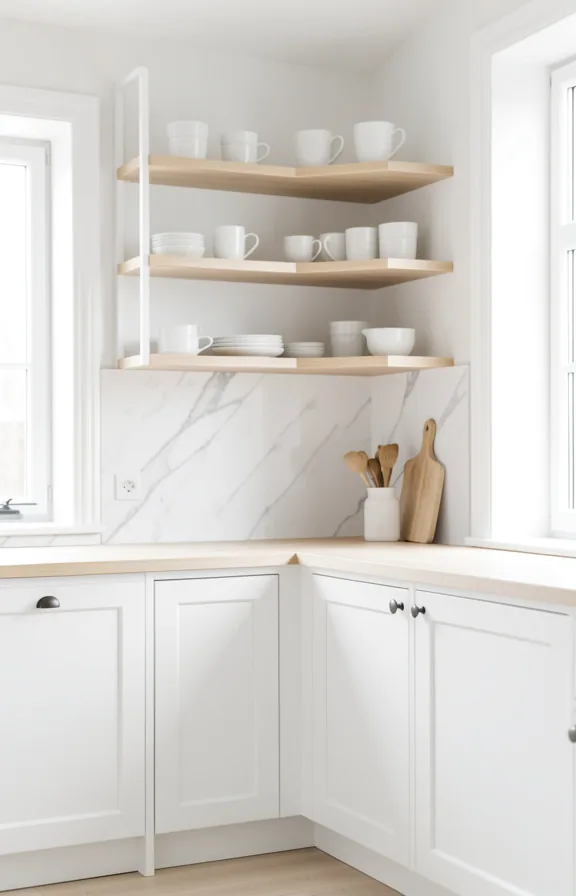
White Carrara marble backing creates a recessed architectural feature above your cabinets. The veining catches light differently throughout the day, staying understated yet intentional.
Pair it with your existing white cabinetry and soft grey grout lines for cohesion. The marble acts as visual breathing room in kitchens that feel too busy below.
Keep the niche nearly empty or add one clear glass vase and fresh herbs. Restraint is the entire design strategy here.
This approach works well in smaller kitchens because marble’s subtle movement creates depth without clutter. Soft morning light will highlight the stone’s natural patterns.
Pro Tip: Install recessed lighting above the niche, angled downward, to reveal the marble’s veining and prevent the space from reading as shadow.
24. Decorative Crown Molding Integration
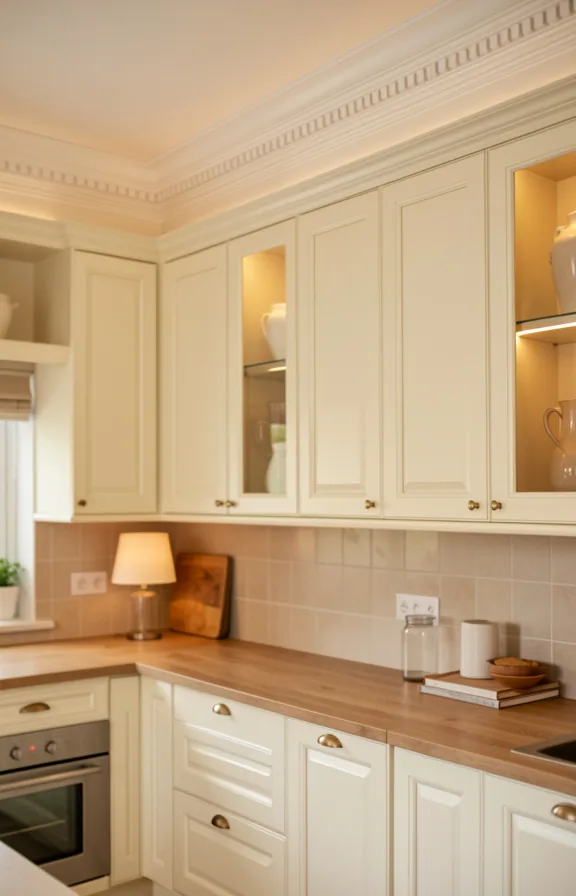
Crisp white crown molding runs the full perimeter where your cabinets meet the wall, creating architectural definition that feels intentional from every angle.
The molding’s shadow line adds visual weight without cluttering the space above your cabinets. This detail alone signals that the empty zone was designed, not just left alone.
Soft neutral tones on both the molding and wall behind create a cohesive backdrop. Your cabinets read as a complete, finished structure rather than something unfinished.
Overhead pendant lighting casts a gentle shadow under the molding, reinforcing its architectural character throughout the day.
Pro Tip: Paint your crown molding the same color as your walls to make the line feel structural rather than applied on top.
Start with the Woven Basket Storage Wall if your kitchen needs function mixed with beauty. Baskets are affordable, work in almost any style, and you can add or swap them easily as your needs change.
Save this post and come back to it whenever you walk into your kitchen. Your perfect solution is here somewhere.