

18 Cozy Hygge Studio Apartment Mistakes Making Your Small Space Feel Tiny
This platform is proudly ad-free! To keep it that way and support our efforts, some posts may contain affiliate links. These links come at no extra cost to you, but they help us grow and continue providing valuable content. Thank you for your understanding and support!
Studio apartments promise a cozy, simplified life. Their small footprint can also feel claustrophobic over time.
This is especially true when pursuing a hygge apartment feel. Well-meaning decor choices often shrink the space instead.
Many people fill every corner with warm textures and lighting. This creates visual clutter that fights the calm you want.
This list identifies those specific cozy hygge mistakes. It also provides clear, practical fixes for each one.
Most solutions require zero construction and a modest budget. You will not need to buy all new furniture.
Start with the curtain trick in mistake number three. It instantly adds height and light for a bigger feel.
1. Floating Furniture Away from Walls
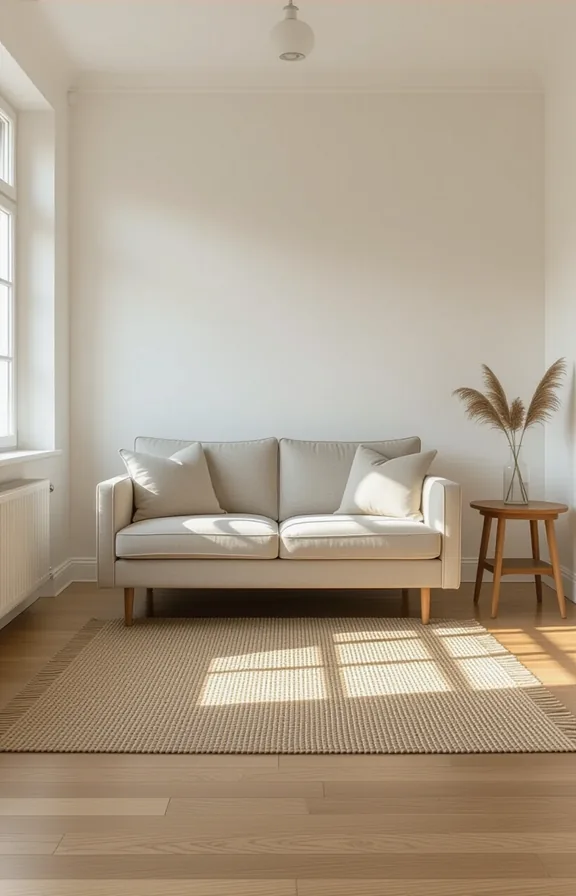
A lonely sofa floats in the middle of your studio floor. This placement shrinks your usable space dramatically.
It breaks the natural flow and creates awkward dead zones. Most rooms have at least one of these.
The mistake is pulling every piece into the center. This wastes precious perimeter space for essential storage.
Anchor your largest piece, like the sofa, against a long wall. Leave only eighteen inches behind it for cleaning.
Push smaller items, like a wooden sideboard, flat against another wall. This consolidates the living zone into one quadrant.
Now you define a clear, open pathway for movement. The room suddenly gains a sense of purposeful order.
Pro Tip: Look for furniture with its back to open air. Anything not touching a wall is likely floating.
You Might Also Like
2. Choosing Only One Light Source
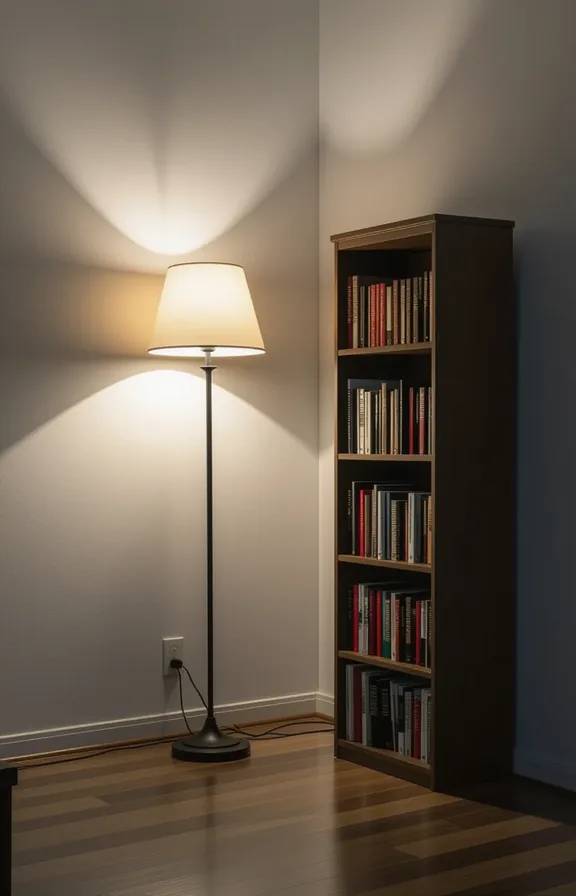
A single overhead or central floor lamp creates harsh shadows. These shadows make every corner feel dark and compressed.
Harsh light flattens a room and kills its cozy depth. Most living spaces rely entirely on one dominant light source.
Multiple light sources define different functional zones in a studio. This layering creates visual texture and the illusion of more space.
Place a warm table lamp near your sofa or reading chair. Add a second small lamp or LED candle cluster on a side table.
Install plug-in wall sconces on either side of your bed. String plug-in fairy lights along a high shelf or window frame.
Keep all bulbs at a consistent warm white color temperature. Avoid cool white bulbs as they feel clinical and stark.
Aim for at least three distinct light points in the room. This simple formula instantly adds warmth and dimension.
Pro Tip: Turn off your main overhead light at dusk. If the room immediately feels flat and uninviting, you need more layers.
3. Using Oversized Sectional Sofas
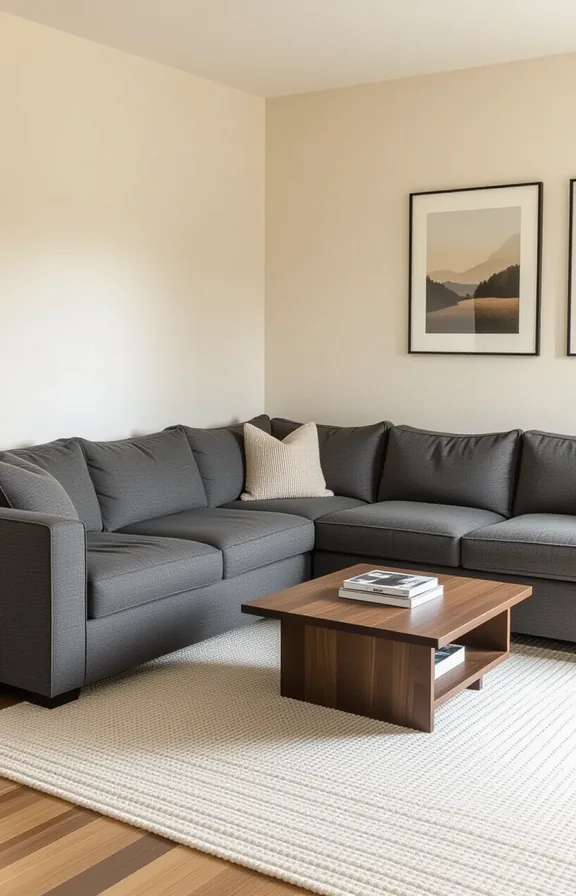
A giant charcoal sectional instantly swallows the living area. It makes a studio feel like one big sofa.
The sheer bulk blocks natural walking paths through your home. This forces movement into awkward, cramped corners.
Most living rooms have at least one of these space hogs. Their deep seats and wide arms consume precious square footage.
Replace it with a petite, two-seater sofa or a compact loveseat. Aim for a total width under seventy-two inches.
Add a separate accent chair or ottoman for extra seating. This creates a more flexible, conversational arrangement.
Choose pieces with raised, slender legs for an airy look. Light-colored linen or velvet fabrics also help.
Pro Tip: If your sofa’s back touches two walls at once, it is too big. A proper sofa only anchors one wall.
4. Installing Short Curtain Rods
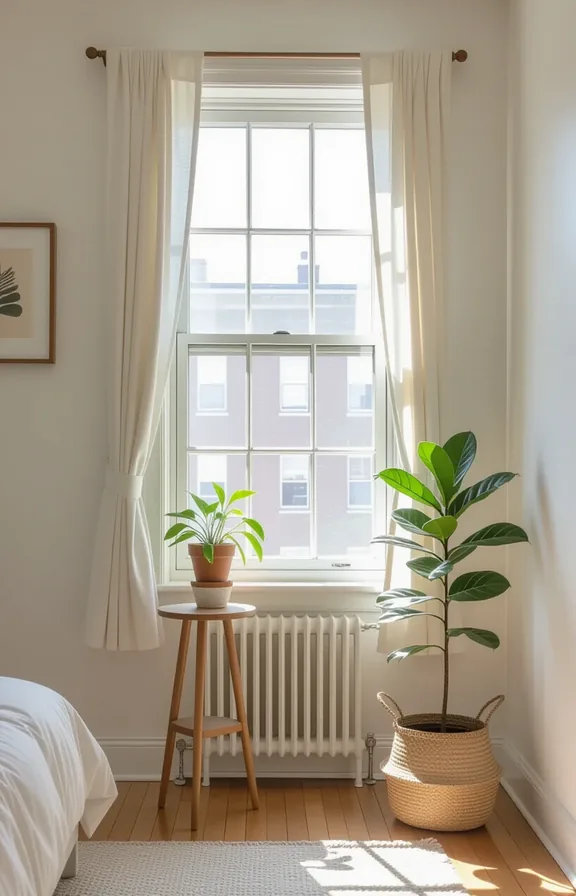
Short curtains crowd the top of your windows. This makes the ceiling feel lower.
It visually chops the wall into smaller sections. This is a classic proportional mistake.
Mount your rod four to six inches above the window frame. This draws the eye upward instantly.
Extend the rod three inches past each side of the frame. Your window will look much wider.
Most people buy rods that barely fit their window. Most rooms have at least one of these.
Pro Tip: Check if your curtains break cleanly at the floor or sill. Puddling or awkward stops are a giveaway.
5. Overfilling Open Shelving Units
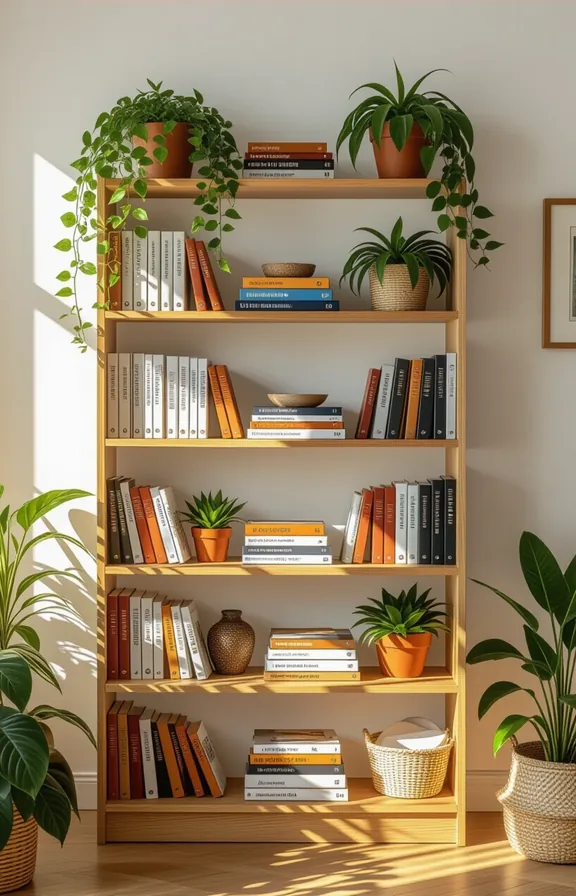
Densely packed books leave no room for breathing. This creates visual noise instead of curated calm.
Every object needs negative space around it. Crowded shelves make your whole wall feel heavy.
Most studio apartments have at least one shelf like this. The clutter instantly shrinks the perceived space.
Leave one-third of each shelf intentionally empty. Treat the blank space as a design element.
Group only three to five objects together. Use stacks of books as bases for small vases.
Anchor the shelf with one large basket or a trailing plant. This adds weight without visual clutter.
Pro Tip: Stand back and squint at your shelves. If you see a solid block, it’s too full.
6. Painting All Four Walls Dark
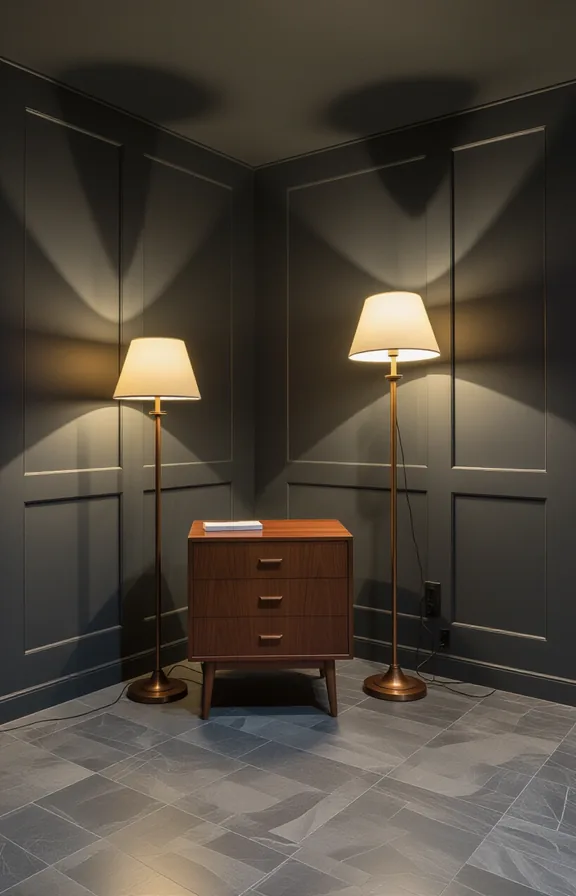
A deep charcoal envelope makes a room feel heavy. It visually shrinks the space inward.
Light needs surfaces to reflect off for a sense of air. Dark paint absorbs almost all light.
Hygge warmth comes from contrast, not shadow. A single dark wall frames a room beautifully.
Apply a rich forest green to just one focal wall. Keep the other three walls a soft white.
Place your main seating or bed against that dark wall. Your room gains instant depth and definition.
Most rooms have at least one of these. People often confuse cozy with enveloping and dark.
Pro Tip: A room should always have a clear visual exit. If all walls pull inward, you missed it.
7. Placing Your Bed Centered
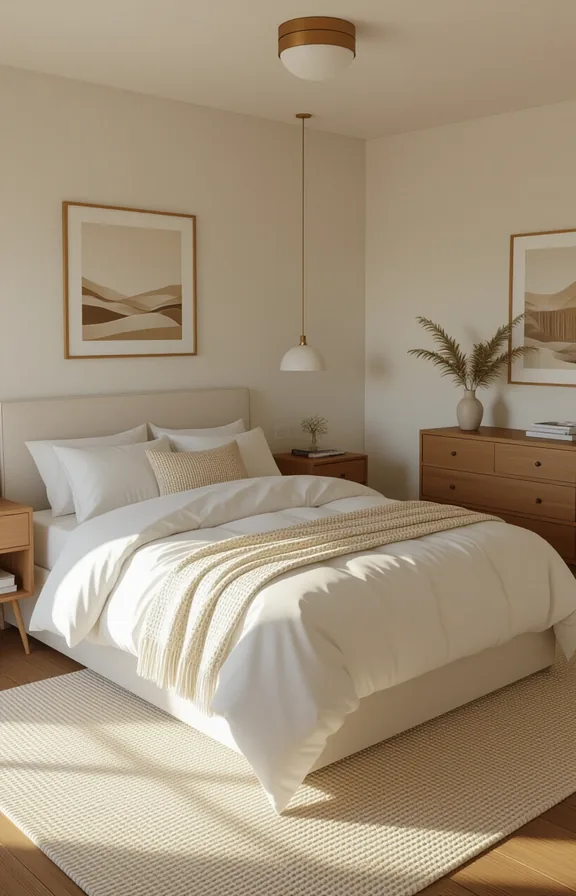
Walk into most studio apartments and find the bed floating in the middle. This central placement carves the living space in two.
It wastes valuable wall and floor space around the frame. This layout makes walking through the room feel like a chore.
Push the bed directly against the longest available wall instead. A simple headboard can create a defined sleeping zone.
Most people do not realize they are sacrificing so much open floor space. This single change dramatically improves room flow.
A bed in the corner leaves room for a small armchair nearby. That extra square footage is crucial for creating cozy zones.
Pro Tip: If your room has an equal, clear walking path on both sides, you can shift it. One cleared side is all you need for better function.
8. Selecting Heavy Solid Wood Furniture
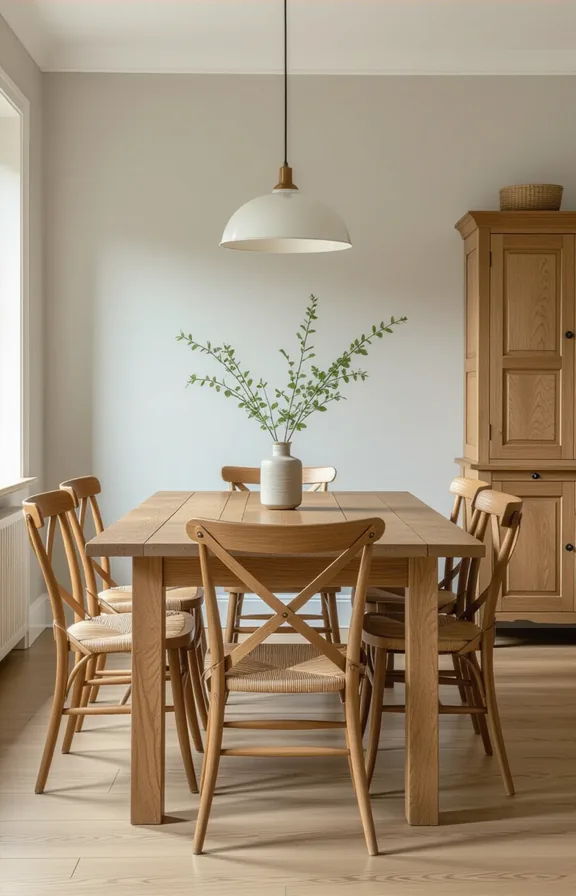
A solid oak dining table dominates the whole room. Its heavy legs visually shrink the floor space.
Dark wood absorbs light instead of reflecting it. This makes walls feel closer than they are.
Bulky furniture blocks natural sightlines across a studio. It creates harsh visual barriers in open spaces.
A light-toned wood or painted piece feels much airier. Choose a glass top table or a cane console instead.
Legs with an open design show more floor underneath. This trick makes any room feel significantly larger.
Consider a slim-profile sofa with visible space beneath it. Opt for hairpin legs or a lifted wooden frame.
Most rooms have at least one of these. It is an easy mistake to make for coziness.
Pro Tip: Scan your room’s perimeter for any single dark mass. If a piece has no visual gaps, replace it.
9. Buying a Tiny Accent Rug
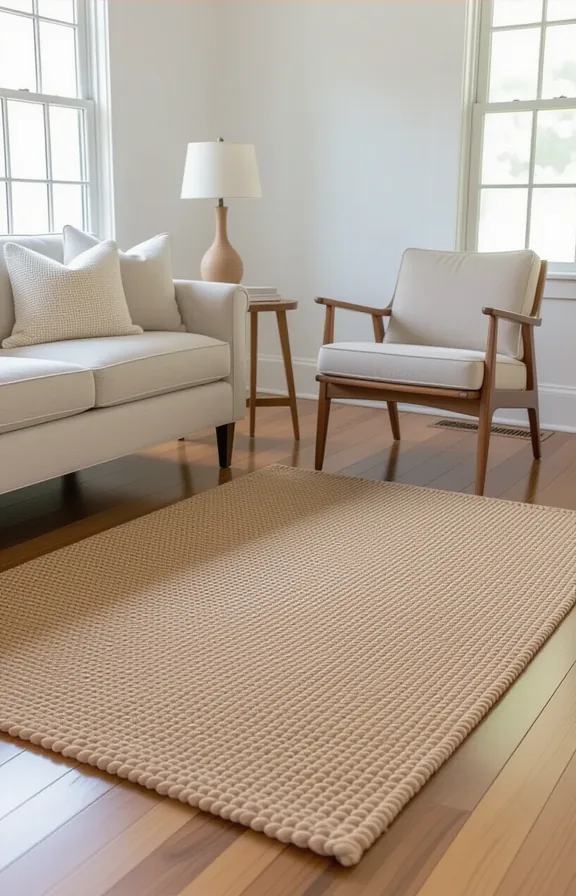
A postage-stamp rug anchors just one piece of furniture. This mistake chops the floor into several small zones.
Human eyes read the floor as one big shape. A too-small rug actually highlights all the unused space.
Most rooms have at least one of these. The room feels cluttered and the furniture floats aimlessly.
Go for a large, defined seating area rug instead. A 6×9 or 8×10 rug fits most studio layouts.
Ensure the rug sits under all main furniture legs. Front legs of sofas and chairs should rest on it.
This defines the zone as one single, cozy island. It makes the entire room feel unified and intentional.
Pro Tip: Spot this by checking the gap. If you see more bare floor than rug, it’s too small.
10. Arranging Seating Far Apart
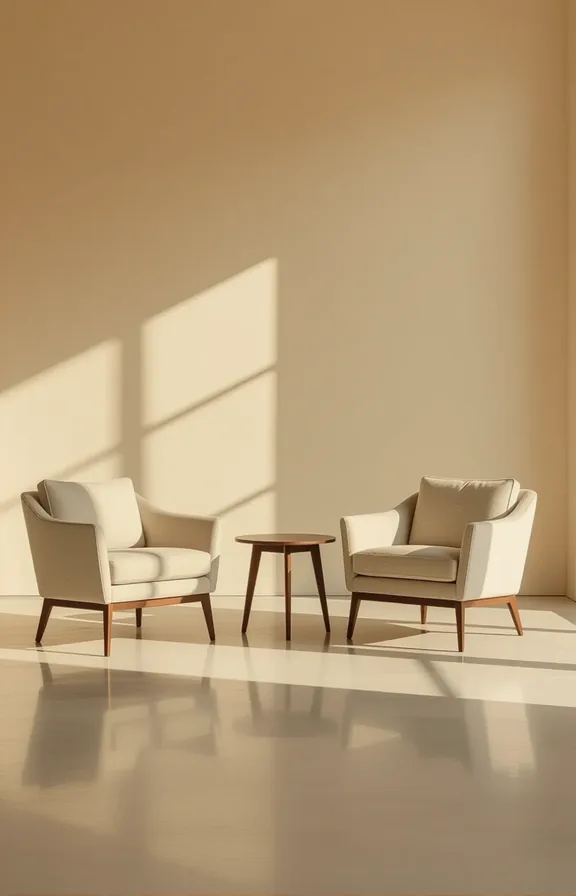
Two chairs placed across the room feels like a waiting room. This setup immediately creates awkward empty floor space.
Distance makes conversation difficult and drains the hygge atmosphere. The cozy vibe relies on close, intimate gathering.
Pull your seating within three feet of each other. Angle two armchairs toward a shared wool ottoman or stool.
Most studio apartments have this problem with sofa and chair placement. It makes the main area feel like two separate zones.
A shared coffee table or floor lamp bridges the gap perfectly. This creates one unified conversation nook instead of two islands.
Pro Tip: Check if you can easily pass a drink between seats. If not, your furniture is too far apart.
11. Skimping on Seating Heights
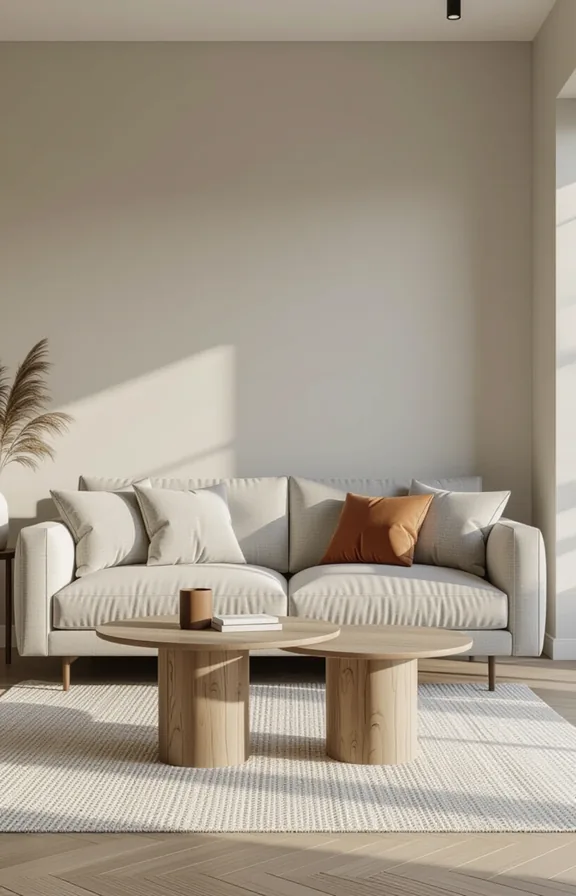
Everything sits on the same low, flat plane. The space lacks any visual energy or useful layers.
This setup traps the eye and makes the ceiling feel lower. Most modern furniture collections encourage this monotone mistake.
Multiple low heights make a room feel squat and heavy. The area loses its sense of vertical dimension completely.
Introduce a seat at least six inches taller than your sofa. A proper counter-height stool or a high-backed armchair works perfectly.
Place this taller piece away from your main seating group. Its height pulls the eye upward and defines a new zone.
Anchor it with a tall, thin floor lamp or a slender plant. This creates a vertical line that stretches the perceived wall.
Pro Tip: Scan your room while seated on your main sofa. If you cannot see over anything, your heights are too low.
12. Blocking Natural Window Light
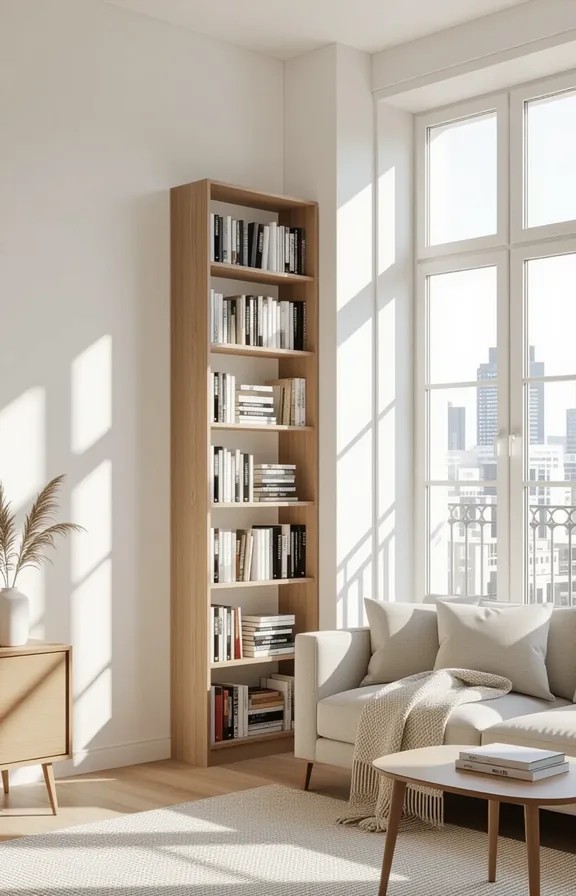
A tall bookcase or wardrobe crowds the window frame. This casts hard shadows and darkens the entire room.
Natural light makes a small space feel airy and open. Blocking it is a common visual compression mistake.
Most studio apartments have at least one of these light-blocking furniture pieces. They anchor the eye to a dark corner.
Move any tall furniture at least three feet away from the window. Use a low bench or plant stand instead.
Sheer linen or cotton curtains diffuse light beautifully. They maintain privacy without sacrificing the sun-filled hygge feeling.
Pro Tip: Stand at your room’s entrance at midday. Any furniture creating a shadow patch is likely too close.
13. Decorating Only at Eye Level
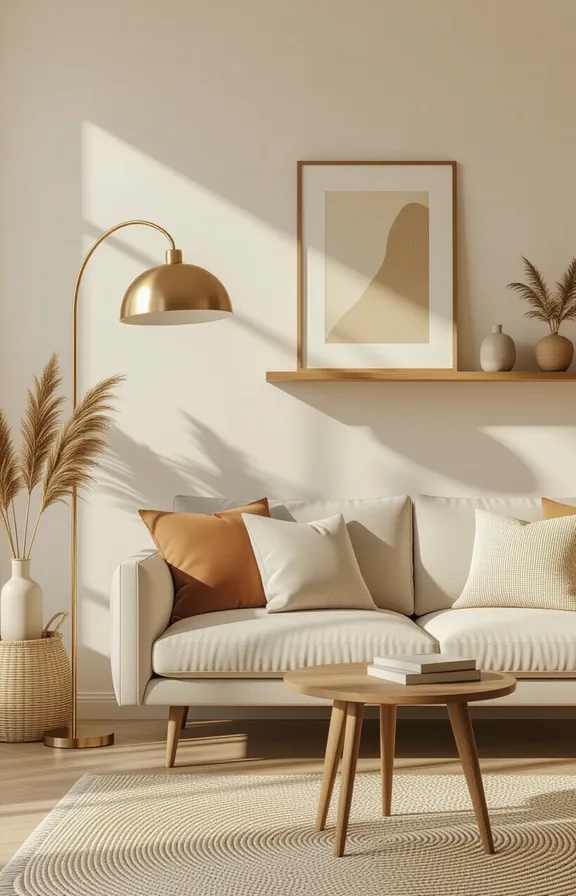
All your favorite pieces sit on a single shelf. This creates a flat horizontal line across the room.
That heavy line visually divides your wall. It makes your ceilings feel lower.
Décor needs movement to create visual interest. Weight should travel up and down a wall.
Start by adding items close to the floor. A tall ceramic vase or a low basket works well.
Then place taller objects above your main shelf. A trailing pothos plant on a high hook adds life.
This vertical layering draws the eye upward. It tricks your brain into seeing more height.
Most rooms have at least one of these. A lonely row of frames is the classic culprit.
Pro Tip: Step back and squint at your wall. All your décor should form a soft zigzag pattern.
14. Matching Every Wood Tone
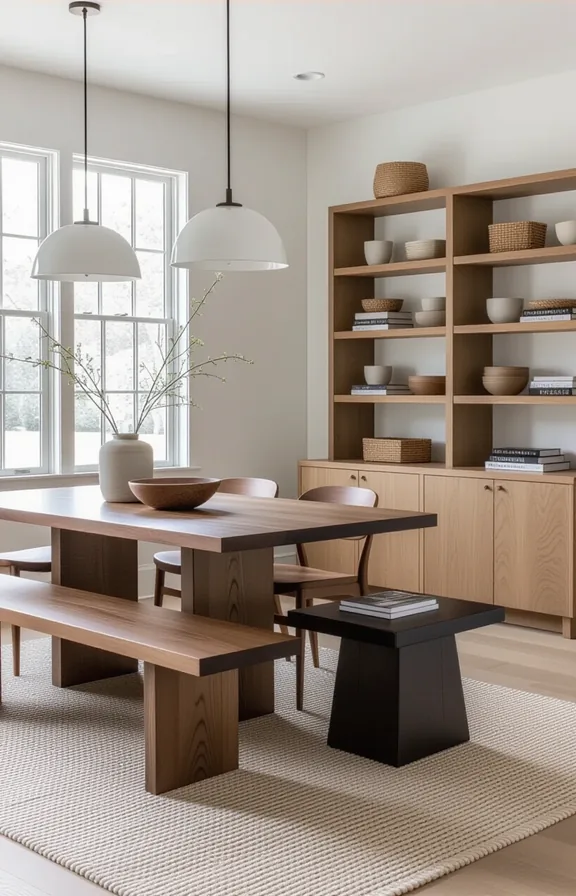
Everything looks carved from one block of wood. The space feels flat and oddly heavy.
Identical tones do not create visual layers. They absorb all the light in a room.
True coziness needs gentle contrast to feel organic. Introduce one dominant wood type first.
Then add two different tones as accessories. A pale oak table needs dark walnut legs.
Or choose a warm cedar side table. This creates a collected feel across the space.
A single tone reads as a set piece. Multiple woods mimic real, comfortable homes.
Most apartments have at least one perfectly matched suite. This is the most common reason.
Stand in your doorway and look for wood monotone. Do all your tables and chairs match?
Pro Tip: Your eye should naturally bounce between pieces. It stops moving in a perfectly matched room.
15. Placing All Tall Items Together
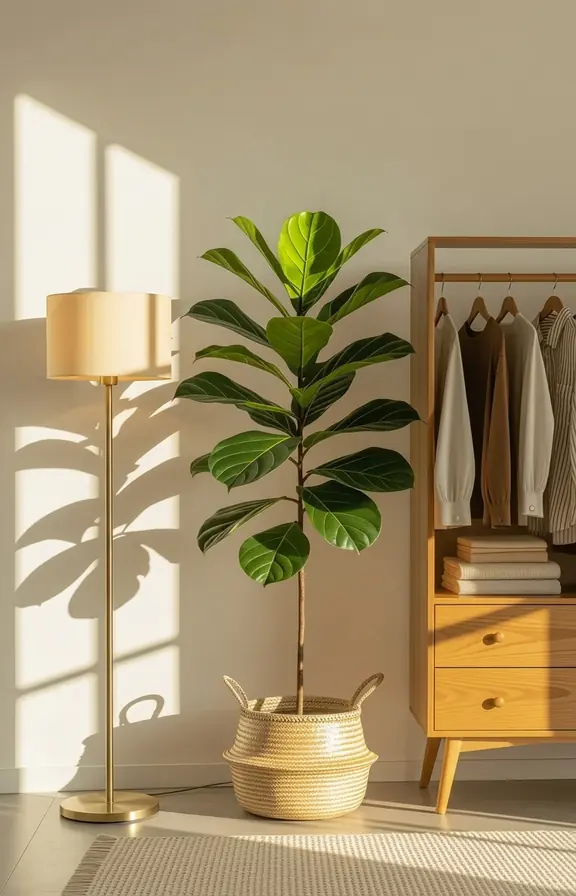
A tall lamp, plant, and floor vase cluster together in a corner. This creates one awkward visual spike in the room.
That corner now feels heavy and dense. The rest of the space lacks vertical interest and feels oddly flat.
In most homes, this makes a ceiling appear lower. The eye cannot travel upward across the whole space.
Try spreading tall pieces to different zones. Place a tall lamp behind your sofa.
Position a narrow shelving unit on a distant wall. Use a slender tree near a window.
Distribute these elements at least six feet apart. This frames the room with multiple vertical lines.
It draws the eye upward in several places. This instantly adds height and architectural interest to a studio.
Pro Tip: Scan your room. Does one area look like a grove of skinny trees? That’s the spot to edit.
16. Hanging Tiny Artwork Alone
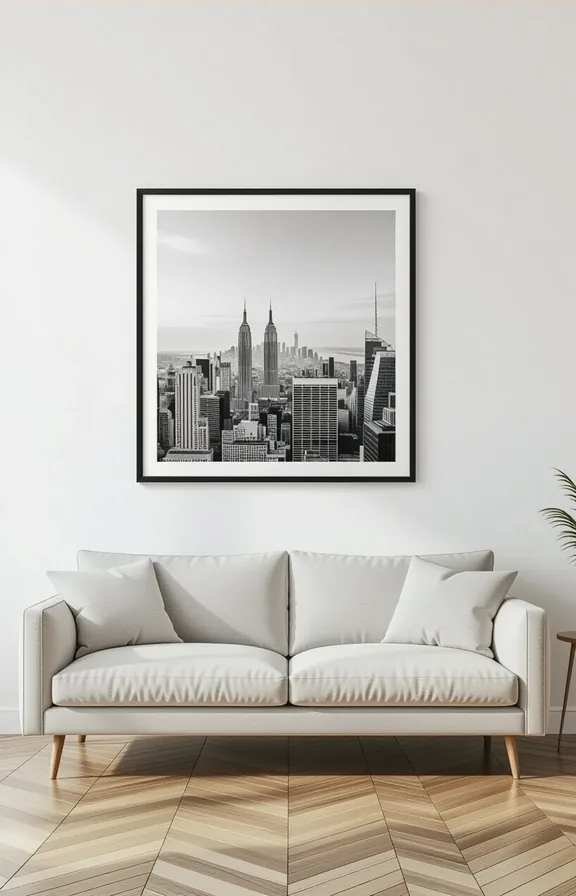
One small frame floats in a sea of blank wall. This makes the ceiling feel lower and the room hollow.
A single piece forces the eye to a tiny point. The brain then measures all the empty space around it.
The scale mismatch makes the entire wall feel unfinished. It emphasizes the room’s limits instead of its comfort.
Group several pieces together into a gallery arrangement. Use frames of different sizes but similar colour tones.
Start with a larger anchor piece, about eighteen inches wide. Cluster two or three smaller works around it closely.
Keep the total grouping wider than it is tall. This creates a horizontal visual line that stretches the wall.
Most people default to hanging one sentimental small print. This common choice makes a studio feel sparse and temporary.
Pro Tip: Any art that looks like a postage stamp on a wall is too small. Your artwork grouping should fill at least two-thirds of the wall’s width.
17. Keeping All Doors Closed
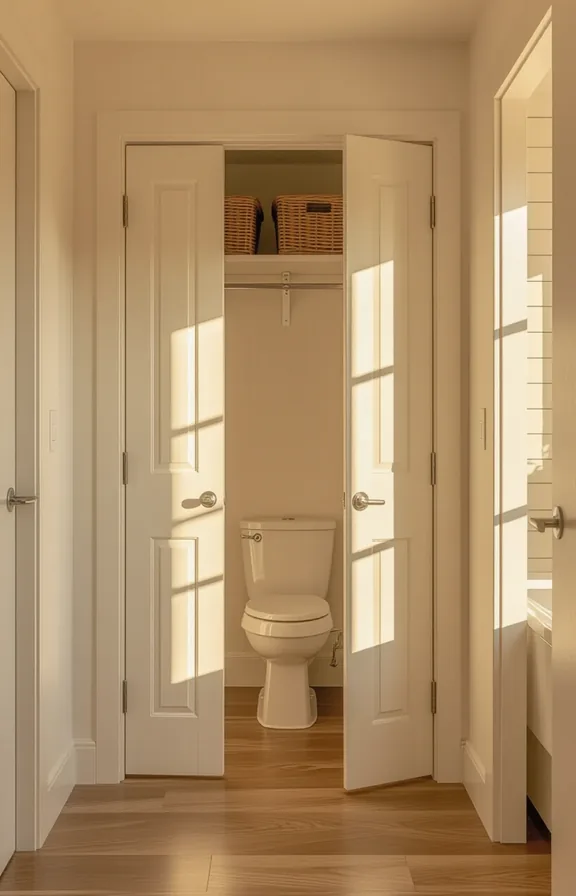
Every closed door creates a solid visual block. It carves your open studio into smaller boxes.
Closed doors stop sight lines from flowing. This makes your actual space feel much more confined.
Closet and bathroom doors are the usual suspects. They break the room’s natural rhythm and light.
Most studio apartments have at least one of these. The visual interruption shrinks perceived space immediately.
Try replacing a solid closet door with a curtain. Use a light linen or cotton canvas panel.
This softens the room’s hard edges and adds texture. Sight lines can travel deeper into the space.
You could also remove the door completely for a while. See if you miss it or prefer the openness.
If you need the door, paint it the wall color. A flat white or soft grey finish helps it recede.
This trick visually melts the door into the background. The room maintains a cleaner, more continuous feel.
Pro Tip: Stand at your main entry point and look. Any closed door you see is cutting your space in half.
18. Using Only Rough Textures
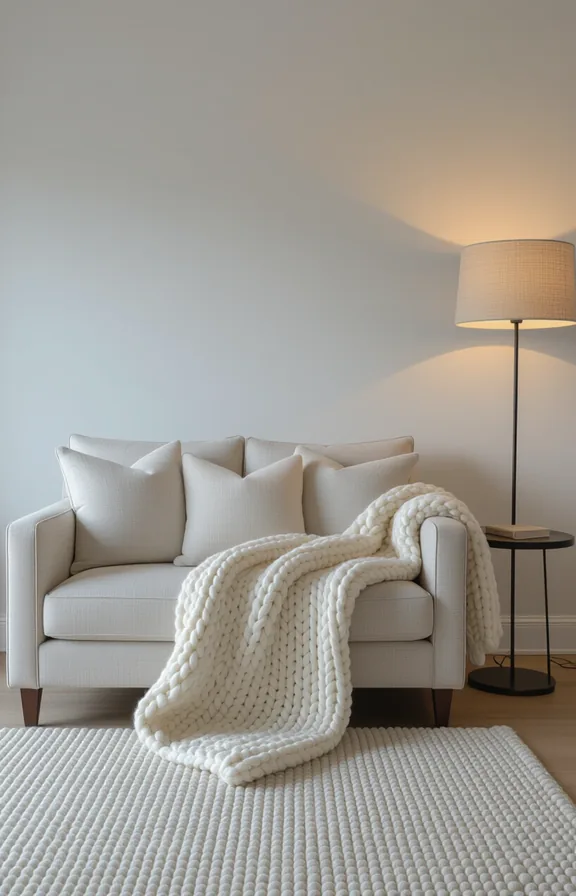
Chunky wools and raw wood textures feel heavy in repetition. They visually shrink the ceiling and crowd the walls.
Your eye needs a place to rest from the constant busyness. Smooth surfaces provide that necessary visual relief in any room.
Balance a nubby jute rug with a sleek leather pouf or glass coffee table. Introduce a smooth, white ceramic vase on a rough shelf.
Mix a matte linen duvet cover with sateen pillowcases for a layered bed. This creates depth without adding physical clutter to your space.
Most hygge studios have at least two or three rough textures clustered together. The fix is simply adding one smooth element between them.
Pro Tip: Scan your room’s surfaces quickly from a single spot. If nothing reflects light softly, you need more smoothness.
Start with your overhead lighting mistake first. It is the simplest change to make immediately.
Replace your bright ceiling fixture with a few floor lamps. This creates softer, more flattering pools of light.
Next, tackle the clutter on your surfaces and lower shelves. A clean visual plane makes the space feel instantly larger.
Save this list for your next planning session. Pin your favorite ideas to try.