

15 Cottagecore Entryway Mistakes That Make Your Apartment Look Cluttered
This platform is proudly ad-free! To keep it that way and support our efforts, some posts may contain affiliate links. These links come at no extra cost to you, but they help us grow and continue providing valuable content. Thank you for your understanding and support!
Your cottagecore entryway looks cluttered even though you love the style. You have chosen pieces with care, yet the space still feels overwhelming and disorganized.
First-time homeowners often fill their cottagecore entryway with too many things at once. They mix designs that clash, neglect the layout, and forget that cottage style needs breathing room to work.
This list names the fifteen most common mistakes that sabotage small entryways. Most fixes cost under fifty dollars and require no tools or renovation experience.
You will learn exactly where to place your console, how to choose your mirrors, and which decorative objects actually belong. The shelf guideline at number nine will save you from buying anything else this month.
Start here, and your entryway will feel intentional instead of crammed full.
1. Cramming Too Many Vintage Pieces
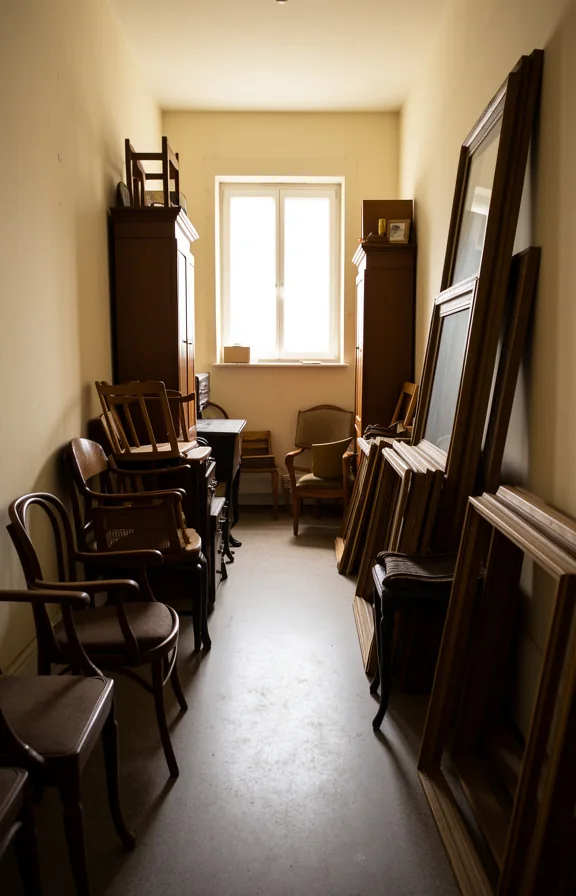
Mismatched antique furniture crowded into one small space feels chaotic instead of charming. Your entryway becomes a visual traffic jam that overwhelms anyone walking in.
Cottagecore thrives on breathing room and intentional placement, not warehouse density. One well-chosen wooden bench with a linen cushion does more than five competing pieces.
Edit ruthlessly before you arrange anything new. Keep only pieces that serve a purpose or feel genuinely special to you.
Pro Tip: Limit yourself to three vintage pieces maximum in entryways under 50 square feet. Space between objects makes each one matter more.
2. Hanging Mirrors at the Wrong Height
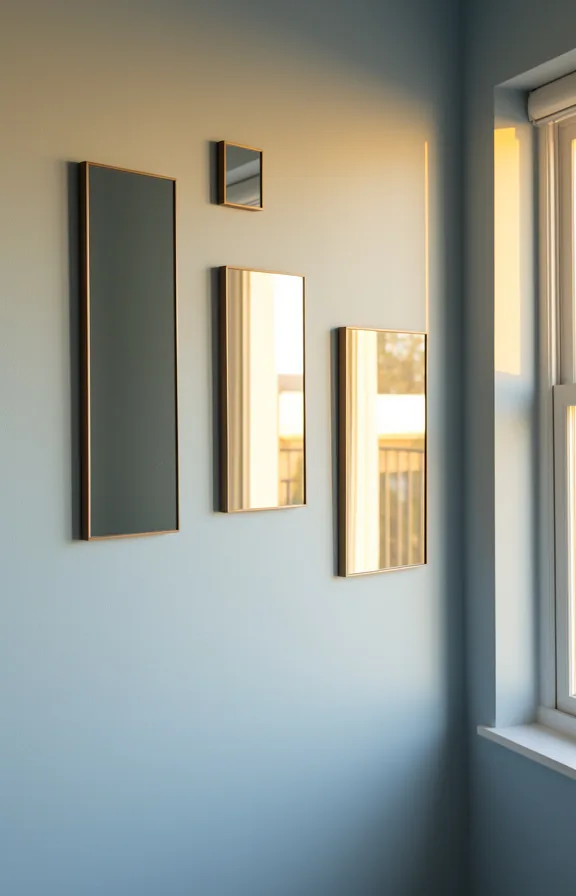
A mirror hung too high creates dead space above your head. Your eye skips right past it in the entryway.
Eye level or slightly below is where mirrors catch light and reflect your face naturally. This placement makes the space feel intentional.
In small apartments, low mirrors also bounce light toward darker corners. They make narrow entries feel wider without adding clutter.
Pro Tip: Hang your mirror so its center sits at 57 to 60 inches from the floor.
3. Choosing Rugs That Are Too Small
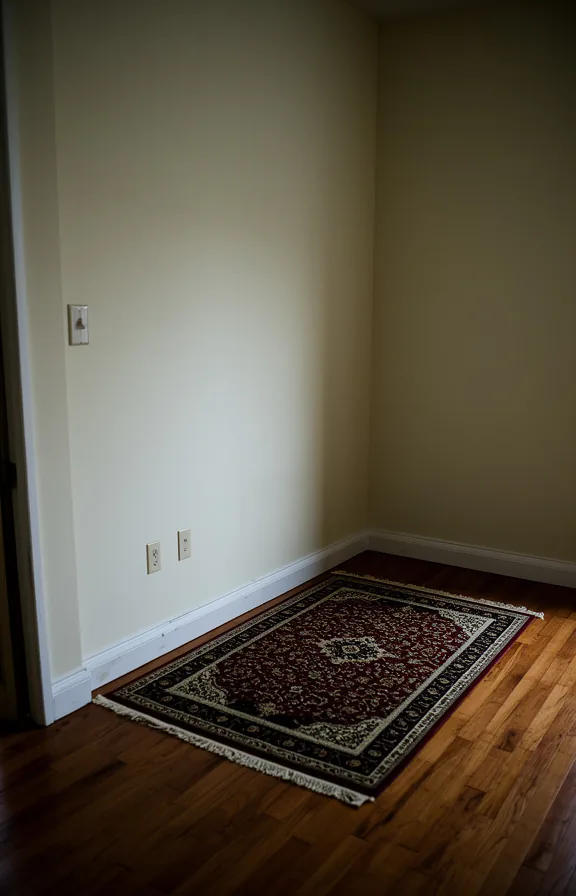
A small rug floating in your entryway breaks up the floor visually. Your space feels chopped into awkward sections instead of cohesive.
In cottagecore design, the rug should anchor the entire entry zone. Choose one that extends at least two feet in each direction from your doormat or bench.
Natural fibre rugs in cream, sage, or soft terracotta work well here. Jute or wool pile grounds your entryway and makes it feel intentional.
Pro Tip: Measure your entryway width first. Your rug should be three-quarters that width minimum.
4. Skipping a Clear Coat Hook System
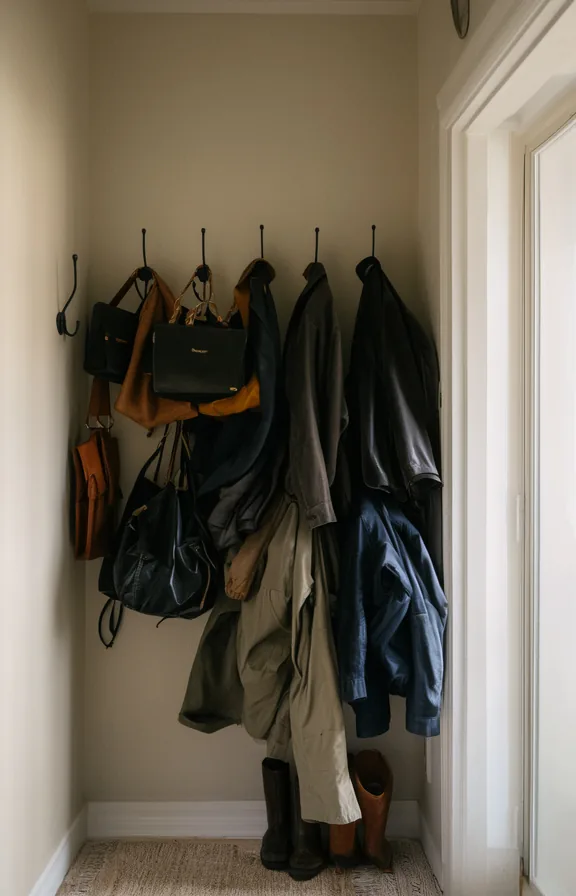
Jackets draped over chairs defeat cottagecore’s whole purpose. A wooden peg rail or brass hook strip gives your coats a real home. The piece itself becomes part of your entryway’s character.
Most apartments have shallow entryways where clutter multiplies fast. Hooks mounted at shoulder height keep outerwear visible but organized. Your eye reads the space as intentional, not overwhelmed.
Choose finishes that match your existing wood tones or hardware. Painted cottage white, natural oak, or matte black all feel authentic.
Pro Tip: Limit yourself to five hooks maximum per rail for balance.
5. Mixing Too Many Wood Tones
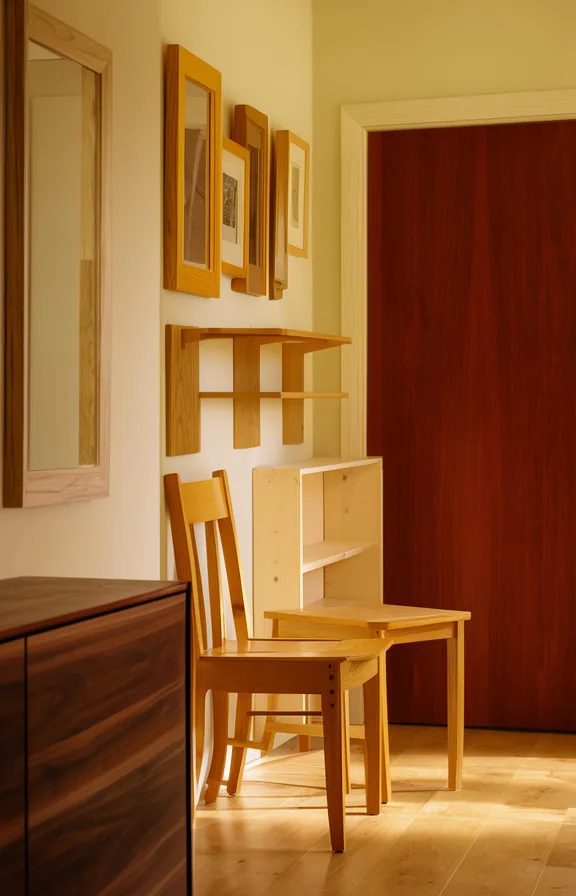
Honey oak and dark walnut fight for attention in your entryway. Your eye bounces between the console table, coat rack, and picture frames instead of landing anywhere restful.
Cottagecore thrives on warm cohesion, not a showroom of competing finishes. Choose one dominant wood tone for your largest pieces. Let everything else echo that choice gently.
Light pine, honey oak, or weathered gray work best for apartments. They read as intentional rather than accidental. This approach suits small spaces that need visual quiet.
Pro Tip: Paint or stain mismatched pieces to match your dominant tone. It costs less than replacing them.
6. Stacking Baskets Without Purpose
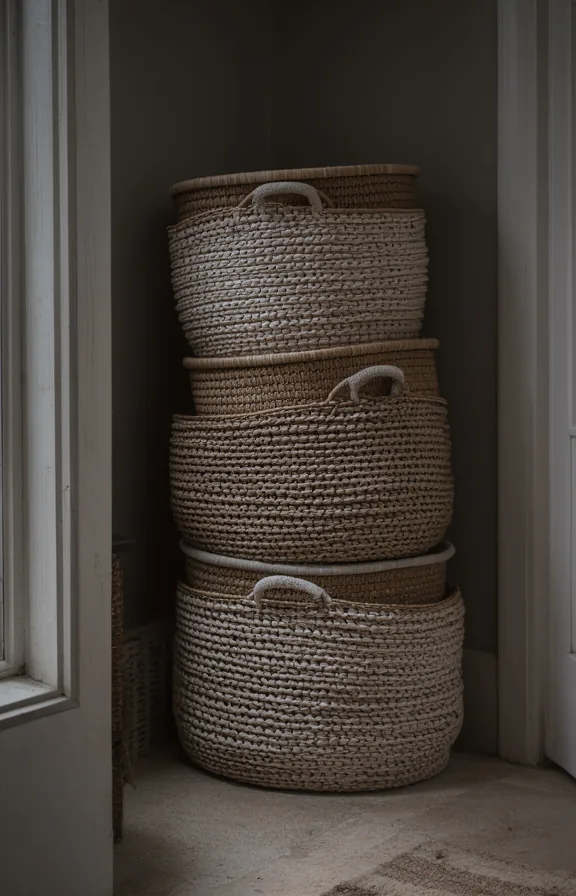
Random basket stacks read as storage overflow, not intentional design. Your entryway needs breathing room to feel calm and organized.
Each basket should hold something specific: seasonal scarves in one, outgoing mail in another, pet supplies in a third. Clear purpose means each basket earns its place.
Two baskets maximum per corner work best in smaller apartments. Stack them low and wide rather than tall and narrow. This keeps your eye moving horizontally across the space instead of upward toward clutter.
Pro Tip: Label baskets with small handwritten tags on natural linen so you actually use them. Baskets without labels become visual noise.
7. Placing Furniture Too Close to the Door
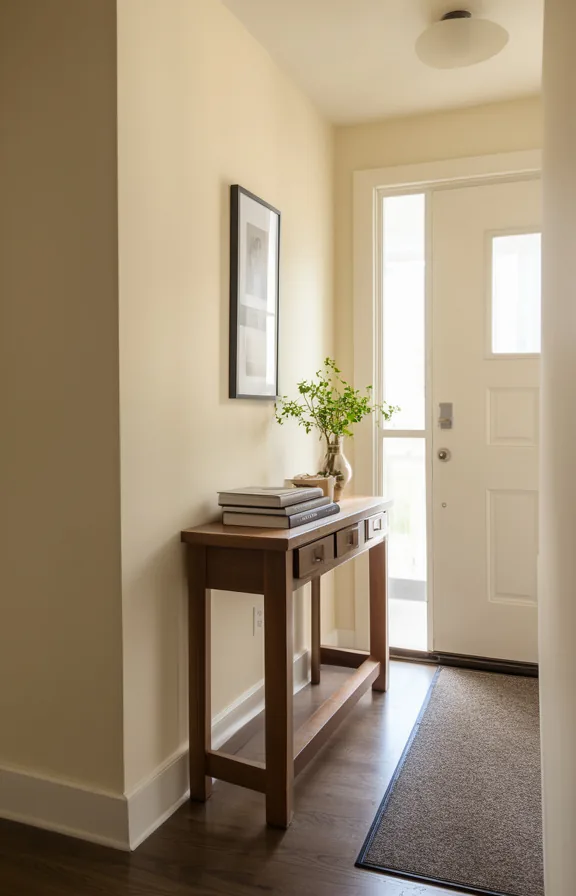
A console table wedged against your door frame steals your entry space. Your door swing gets blocked instantly.
Leave at least 18 inches between door and furniture. This breathing room makes your entryway feel larger.
Tight quarters feel chaotic, even in small apartments. Negative space is actually your design tool here.
Pro Tip: Measure your door swing first. Then place your console or coat rack with that clearance in mind.
8. Using Mismatched Picture Frames
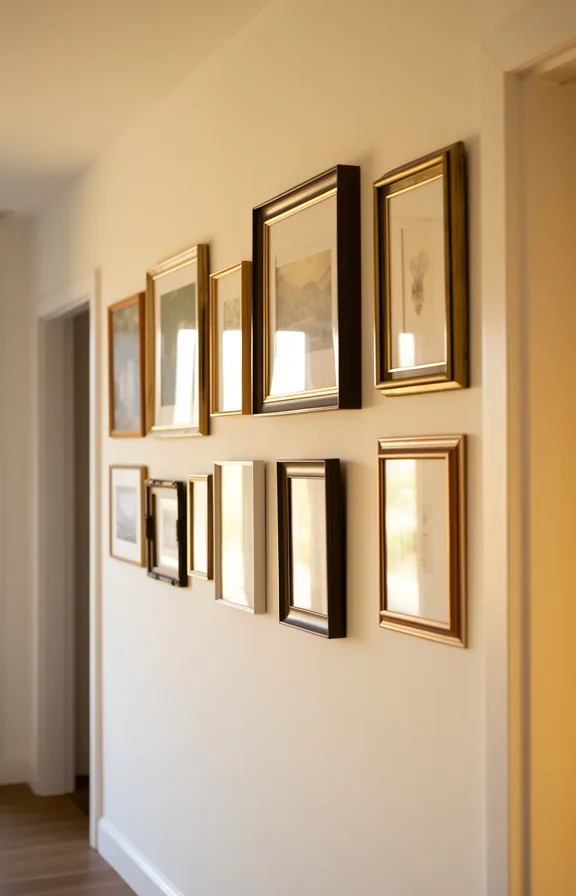
Five different frame styles in varying sizes create visual chaos on your entry wall. Your eye bounces between gold metal, dark wood, and painted finishes instead of resting.
Cottagecore relies on visual quiet to feel intentional and calm. Mismatched frames read as “collected randomly” rather than “thoughtfully gathered over time.”
Choose one consistent frame finish across your gallery wall. Stick with natural wood, painted metal, or vintage brass for every frame, then vary only the mat colors or print styles inside.
Pro Tip: Swap frames gradually when you spot good matches. This makes the budget feel manageable and the edit feel genuine.
9. Overloading Floating Shelves
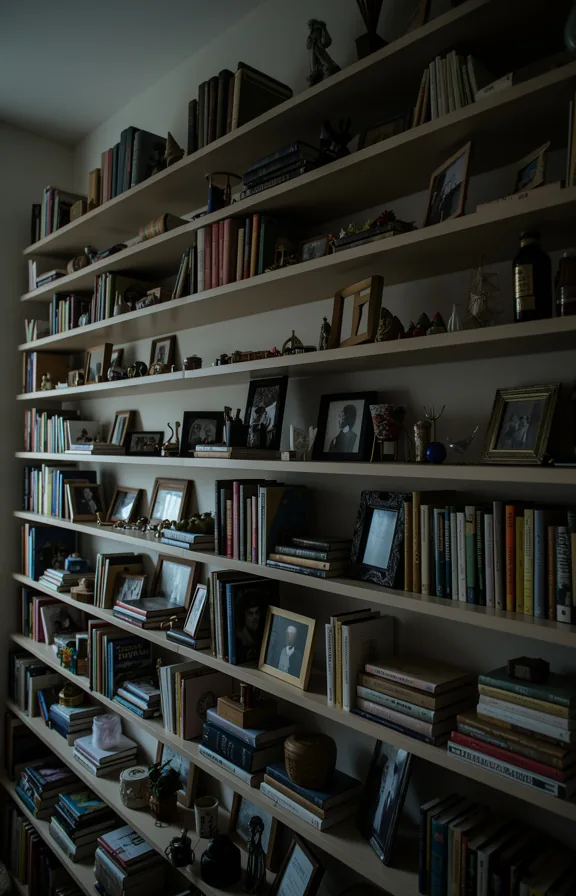
Warm oak shelves lined edge-to-edge with books create visual noise. Your eye has nowhere to rest or focus.
White ceramic vessels clustered together take up too much real estate. Thin spacing between objects makes rooms feel cramped.
Leave 40 percent of each shelf empty for breathing room. Group items in odd numbers, then step back.
Pro Tip: Keep bottom shelves mostly clear for visual weight. This grounds the room and makes it feel intentional.
10. Ignoring Wall Color in Small Spaces
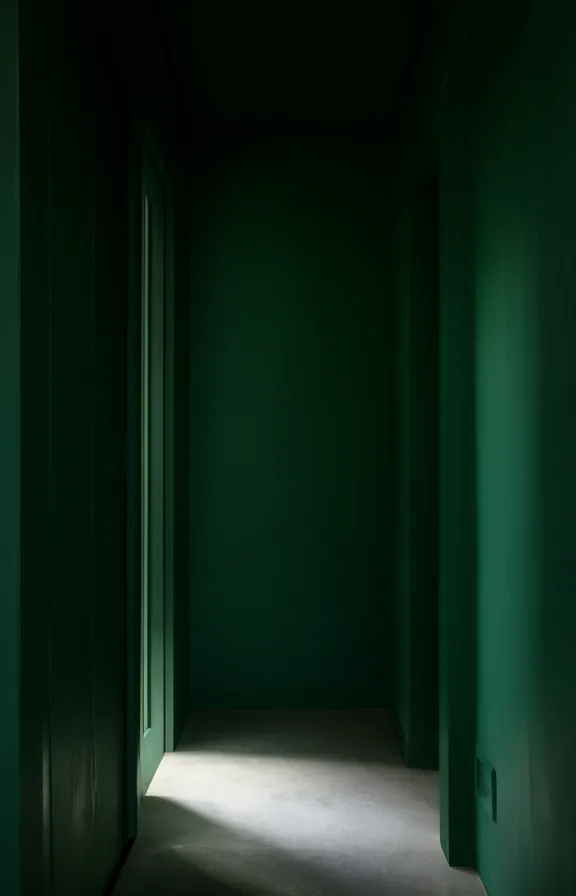
Pale cream walls feel safer in tiny entryways. The problem: they disappear under weak natural light. A soft sage or warm taupe actually anchors the space.
Small entryways need color to feel intentional, not blank. Dark walls feel smaller only if they’re too saturated. Muted, dusty tones draw depth instead.
Your entryway sets the mood for the entire apartment. Cottagecore thrives on atmospheric color, not white emptiness. This works best for apartments with consistent overhead lighting.
Pro Tip: Test paint samples at different times of day. Morning light reveals undertones that evening light hides completely.
11. Placing the Console Table Wrong
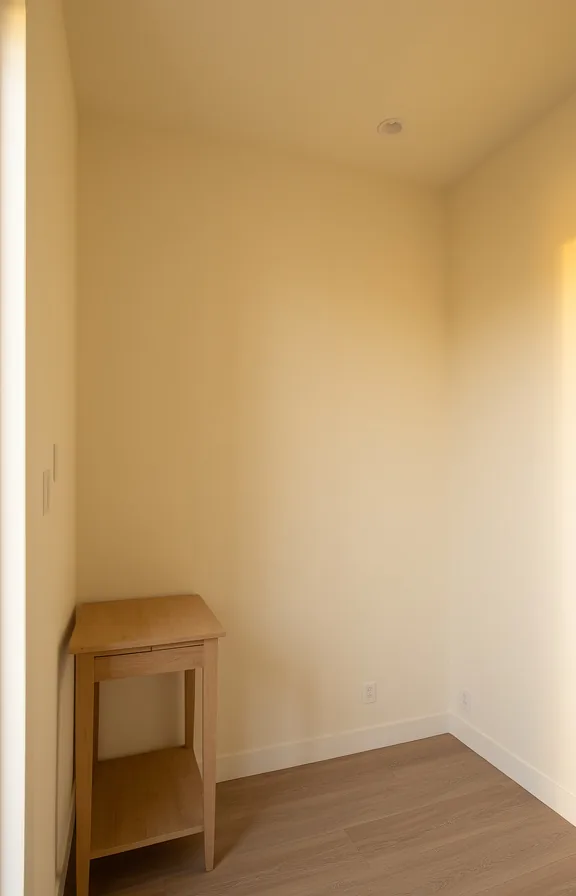
A console table shoved against the wrong wall breaks your entryway’s balance. The table should anchor the space visually. Poor placement makes even a beautiful table feel accidental.
Your console works best directly opposite the door. This creates immediate focal interest when someone enters. A table tucked sideways or crammed in a corner reads as an afterthought.
In smaller apartments, scale matters more than you think. A narrow wooden console with tapered legs suits tight spaces better. A wide piece in a narrow hall blocks traffic flow entirely.
Pro Tip: Measure your wall width first. Leave equal breathing room on both sides of the table for visual balance and actual movement.
12. Forgetting to Anchor Your Entryway
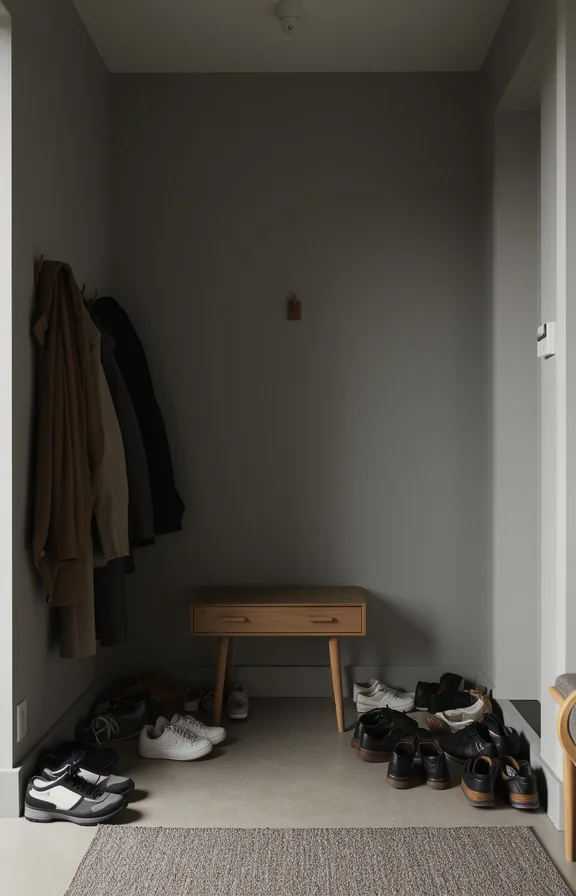
A natural fiber rug grounds your entry the moment someone walks in. Without it, coats float on hooks, shoes scatter, and the space feels temporary.
Your entryway needs a focal point anchor that stops people before they move deeper into your home. A low wooden bench, a narrow console table, or a woven mirror frame all work well here.
Layer a jute or linen rug beneath your anchor piece in warm cream or soft sage. This single choice makes the zone feel intentional instead of just a transition space.
Pro Tip: Choose a rug sized to fit your anchor furniture fully. Half-coverage looks uncertain.
13. Displaying Too Many Potted Plants
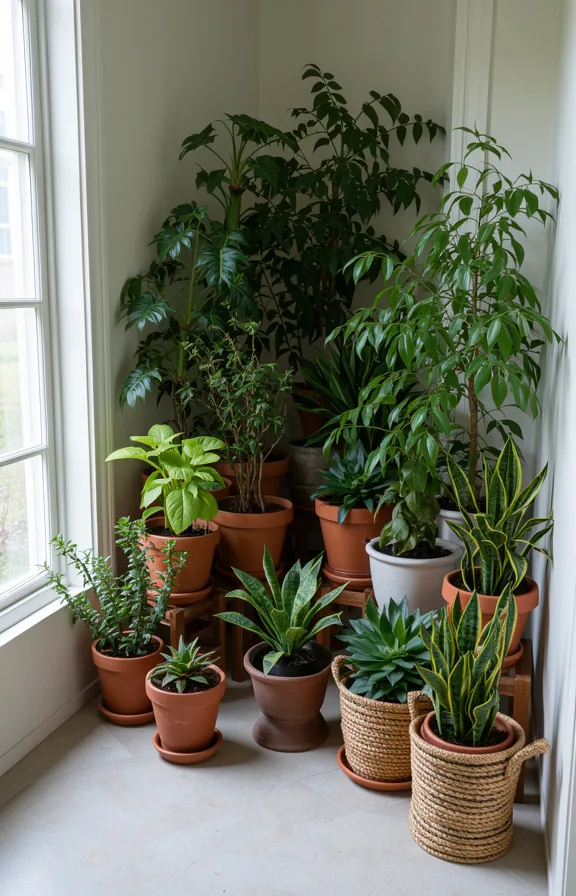
Rough terracotta pots clustered across your entryway shelf feel cottage-like in theory. In practice, too many plants crowd the space and trap dust around the base.
A single tall plant in one corner does far more visual work than a full shelf. Your eye moves straight to it instead of scanning a chaotic arrangement.
Choose two plants maximum for a small entryway, spacing them with clear shelf space between. This works well in apartments because it keeps the entry feeling open and intentional.
Pro Tip: Cluster your remaining plants in a corner grouping on the floor instead.
14. Leaving Dead Space Above Doorways
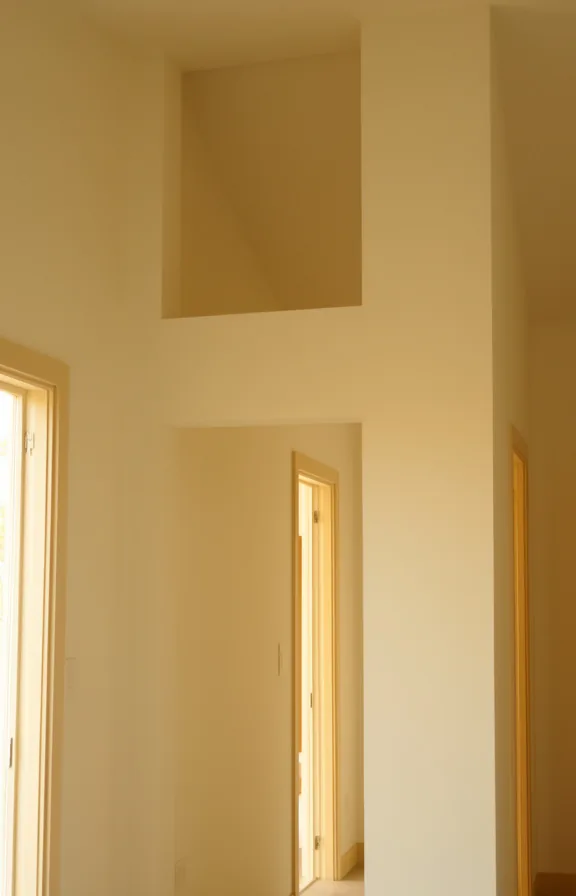
Warm amber tones fade across your entryway walls. Yet that space above the doorframe sits completely bare and forgotten. Your eye travels upward and finds nothing, making the room feel unfinished.
A hanging dried floral arrangement or wreath fills this void instantly. Eucalyptus bundles, wheat stems, or lavender sprays create soft architectural character. This simple layer adds the visual weight cottagecore rooms actually need.
Small apartments especially benefit from vertical decoration choices. Every inch of wall matters when square footage is limited. Hanging botanicals cost little and transform that awkward gap into intentional design.
Pro Tip: Hang your arrangement slightly off-center for a relaxed, gathered feeling rather than symmetrical.
15. Cluttering Surfaces With Decorative Objects
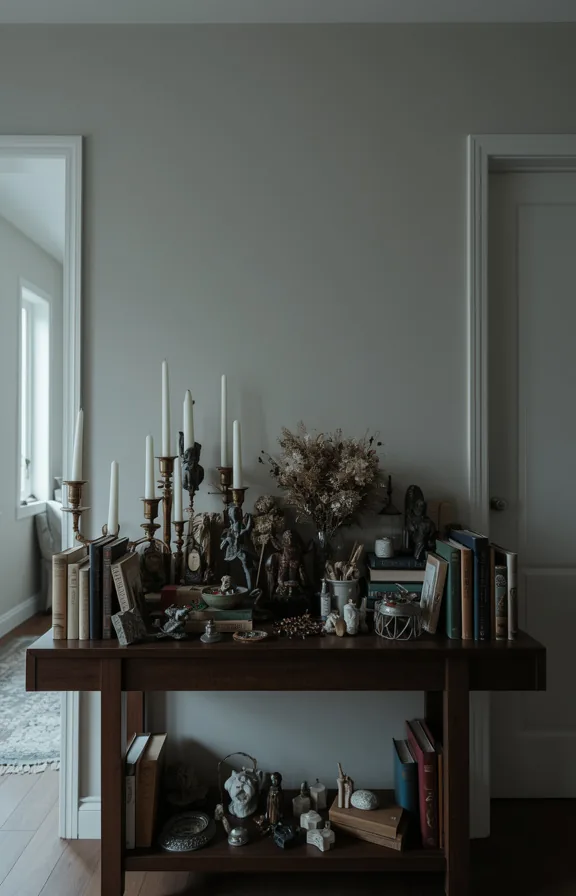
Three pillar candles, a stack of books, dried flowers, and a ceramic dish fill your console table. Your entryway feels busy instead of peaceful.
Cottagecore thrives on negative space and intentional placement. Every object should have a reason for being there, not just a spot to occupy.
Choose one focal point per surface. A single brass candlestick or a small terracotta planter works better than multiple items competing for attention.
Pro Tip: Limit yourself to three objects maximum on any entryway surface. Keep the rest of the table bare and touchable.
Start with number twelve and define your entryway zone first. This single step costs nothing and gives every other decision a clear direction.
Once your zone is anchored, pair it with mistake number three about rug sizing. These two ideas together will instantly change how your space feels.
Save this article and come back to it before you buy your next piece. Your apartment will thank you for the restraint.