

17 Laundry Room Makeover Ideas That Look Like a Full Reno
This platform is proudly ad-free! To keep it that way and support our efforts, some posts may contain affiliate links. These links come at no extra cost to you, but they help us grow and continue providing valuable content. Thank you for your understanding and support!
A laundry room often feels purely functional, not beautiful. Its mood is determined by harsh lighting and stacked baskets.
Most people use this space daily, a high-traffic zone for chores. It deserves to feel calm and efficient, not just practical.
This article collects focused makeovers for that challenge. None of these require a full demolition or a significant budget.
Many ideas can be finished in a single weekend afternoon. You will find specific ways to improve storage and add softness.
The first suggestion uses open shelving and woven baskets for instant texture. This simple swap hides clutter and costs under fifty dollars.
1. Freestanding Chrome Utility Cart
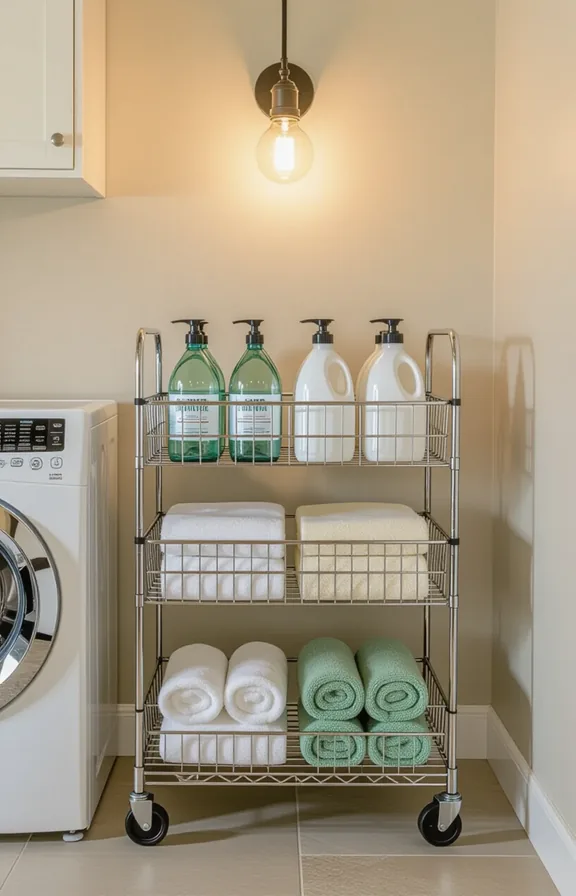
Clear chrome wire grid walls define this cart’s open silhouette. This material prioritizes function over visual weight.
Its see-through nature adheres to ma, the principle of negative space. The structure seems to disappear into the room.
A soft white ceramic dish holds laundry pods. A small glass bottle holds ironing water nearby.
These accessories provide function with a light touch. They embody wabi-sabi through their modest utility.
The cart sits on casters for total flexibility. This concept suits renters who need non-permanent storage.
Keep the contents minimal for maximum visual calm. Use it only for laundry day essentials.
Pro Tip: Place the cart against a white or light wall. Its reflections will brighten the laundry nook.
You Might Also Like
2. Textured Basket Wall System
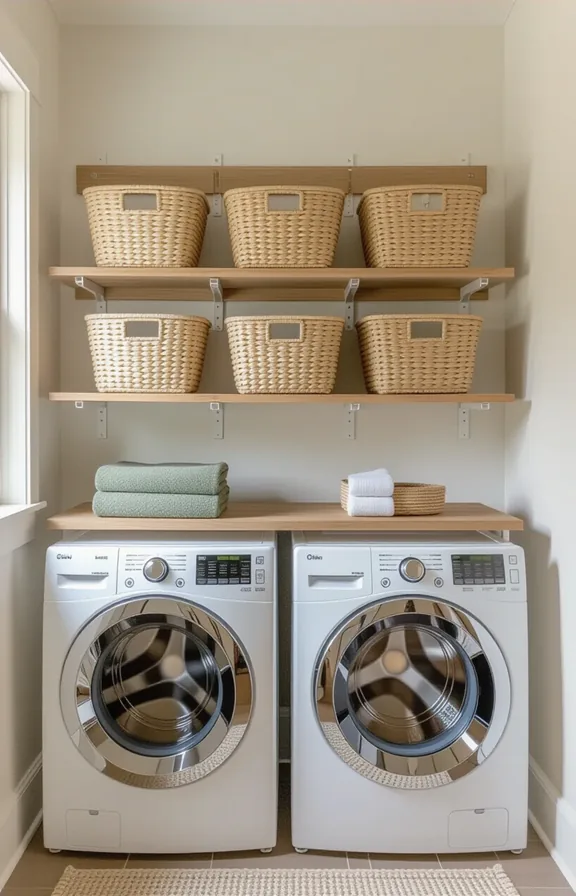
Most laundry rooms have messy floating shelves. This creates visual clutter above your machines.
The disarray disrupts the Japandi principle of ma or intentional emptiness. Your space feels chaotic instead of calm.
A wall system of matching shallow baskets fixes this. Mount identical woven rattan or seagrass squares in a grid.
The uniform texture absorbs visual noise from laundry supplies. Natural imperfections in the weave celebrate wabi-sabi beauty.
Installation is renter-friendly with damage-free hooks. The whole project costs less than one permanent shelf.
Assign each basket a single category like socks or stain sticks. This enforced limit prevents future clutter buildup.
Pro Tip: Keep baskets shallow to avoid overstuffing. Deep bins hide mess, but shallow ones demand tidy, visible order.
3. Whitewashed Wood Floating Shelves
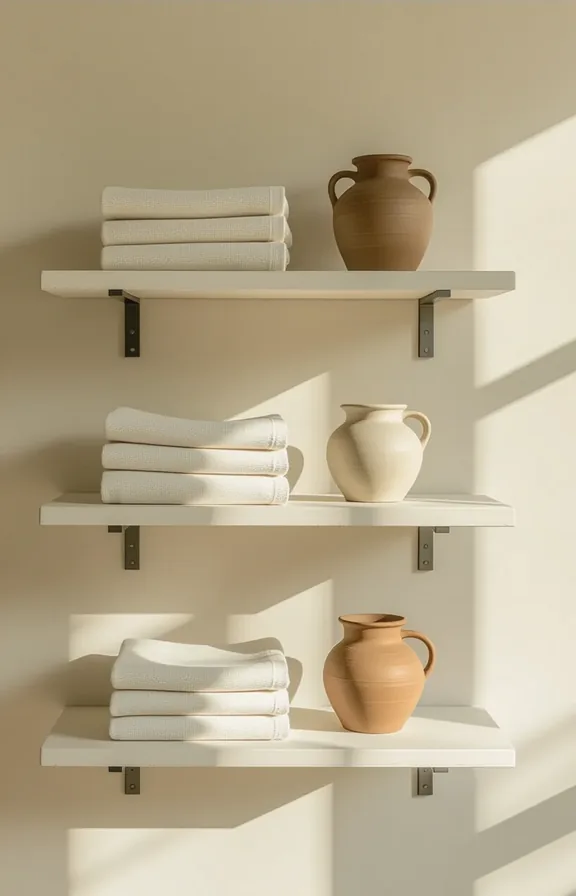
Install whitewashed shelves right above your laundry machines. Use simple metal brackets for a clean, floating look. This creates valuable vertical storage without any permanent renovation.
Leave at least one shelf almost empty. This respects ma, the intentional use of negative space. The breathing room makes a small laundry area feel calm and spacious.
The wood’s subtle grain and brush marks reflect wabi-sabi beauty. Imperfect textures add organic warmth against cold appliances. This blends Japanese philosophy with Scandinavian simplicity.
Place your most beautiful detergent bottles there. Store linen spray and wool dryer balls in simple ceramic jars. Hide less attractive supplies in closed cabinets below.
This project needs just a drill, level, and screws. You can complete the entire installation in one afternoon. The shelves lift the room’s style instantly.
Pro Tip: For a true floating look, use concealed shelf brackets. You drill them directly into wall studs. The shelf slides on, hiding all hardware completely.
4. Jute Hamper with Brass Hardware
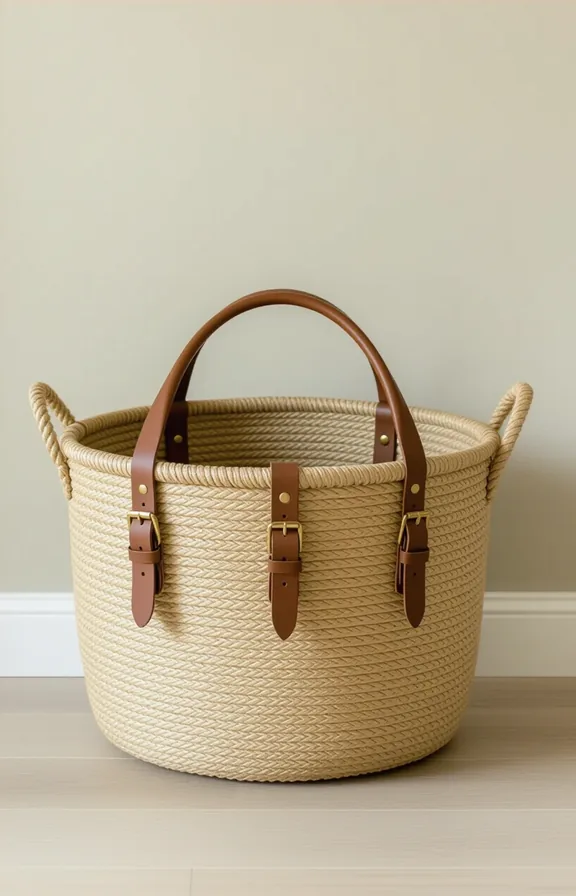
A woven jute hamper feels durable and natural in a tight apartment laundry area. It embraces wabi-sabi with its visible texture and organic, imperfect shape.
Place it directly next to your apartment’s stackable washer-dryer unit. The soft curves contrast nicely with the machine’s hard, geometric lines.
Brass hardware adds a subtle touch of hygge warmth to the practical laundry task. This blend of natural and crafted metals creates a calm, functional intersection.
No tools are needed for this swap. There is also no damage to your rental’s walls or floors.
Keep the hamper lid loosely closed, not latched tight. This allows for airflow and prevents musty odors from trapped damp laundry.
Pro Tip: Choose a hamper with a slightly irregular weave. The visual texture makes a small, all-white laundry nook feel more inviting and deliberate.
5. Removable Subway Tile Backsplash
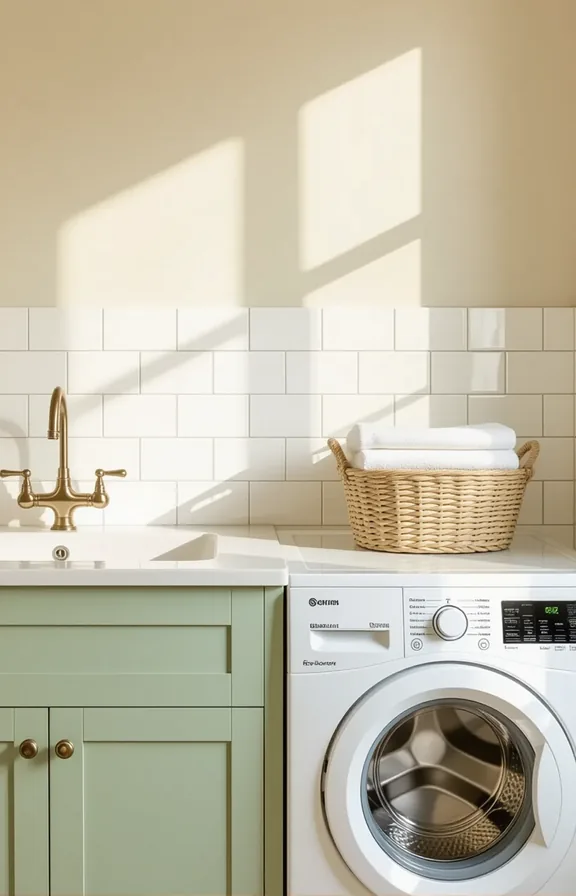
The wall behind the washer had chipped paint and water stains. It made the small laundry room feel neglected and drab.
A peel-and-stick subway tile backsplash fixed everything in one afternoon. The white rectangular tiles with matte finish mimic real ceramic perfectly.
Now the room feels bright and intentional, like a real renovation. The light bounces off the glossy surface and opens up the space.
This entire transformation took one afternoon and cost under $40. No tools, no grout, and no permanent changes to the walls.
Pro Tip: Clean the wall with rubbing alcohol before applying the tile. A smooth, dust-free surface ensures the adhesive holds for years.
6. Rustic Wood Drying Rack Wall
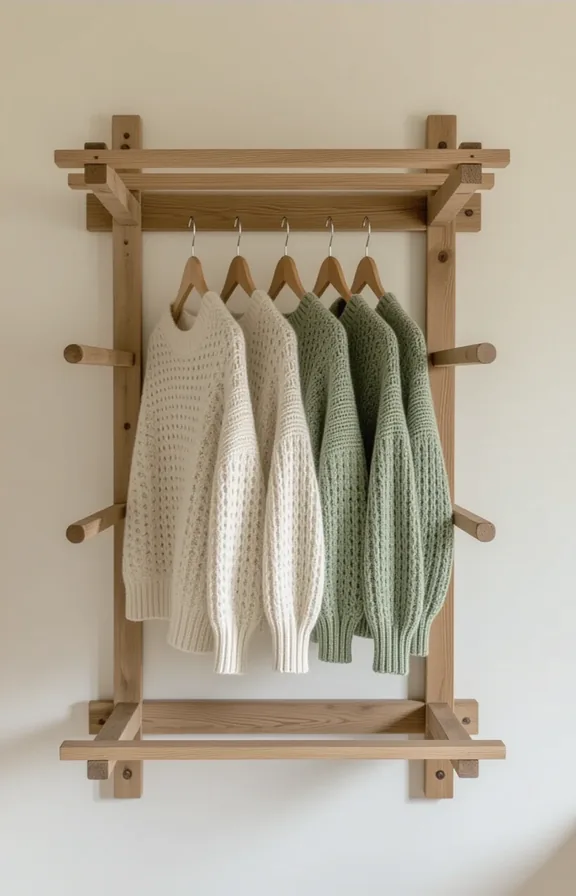
Plastic drying racks dominate most laundry rooms. They create visual clutter against the tile and machines.
This is a common storage mistake. It makes the room feel purely utilitarian.
A rustic wood rack brings warmth to this practical space. It leans into the wabi-sabi beauty of natural grain.
Mount a single plank above your machines. The visual weight grounds the room’s upper half.
Most laundry rooms lack this textural warmth. A solid wood piece solves that instantly.
Treat the wood with a clear matte sealant. This protects it from moisture while honoring the material.
Let delicate items air-dry directly on the rack. This blends function with organic form.
This method respects the Japanese-Scandinavian blend of practicality and calm. The rack provides clear utility and visual quiet.
Pro Tip: How to spot this mistake instantly in any room. Look for plastic or metal racks blocking natural light or floor space. A wood rack creates ma, or purposeful negative space, even when in use.
7. Gold Accent Light Strip
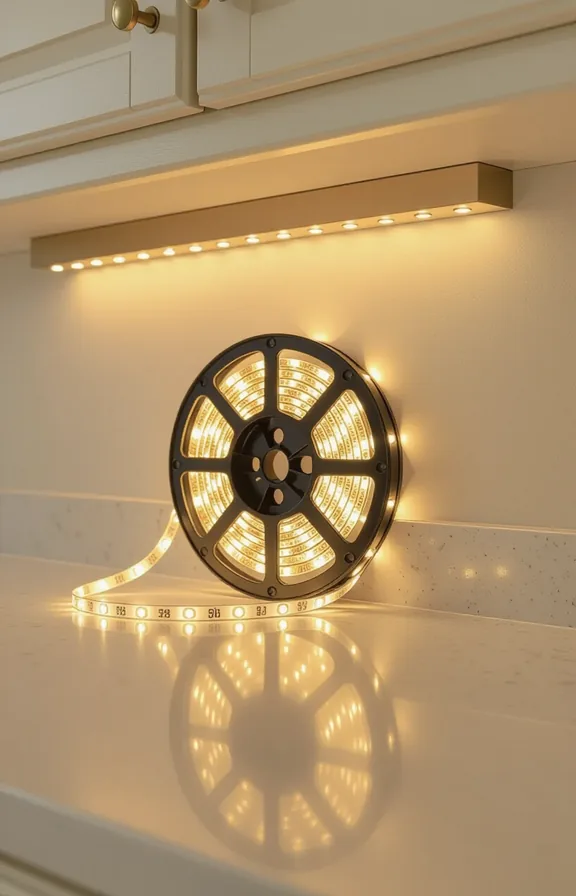
A slim line of warm gold light runs beneath your upper cabinets. This creates clean architectural character without any wiring.
The light reflects off quartz countertops and brass faucet hardware. It delivers a rich, spa-like atmosphere for sorting clothes.
Pair the glow with muted cream walls and dark stone flooring. This palette feels both intentional and effortlessly inviting.
The concept turns a utilitarian room into a deliberate, luxe-feeling space. It suits anyone wanting hotel-level style quickly.
Soft ambient light below eye level makes the entire room feel cozier. This technique works beautifully in windowless laundry spaces.
Pro Tip: Align the light strip with the front edge of your cabinets. This hides the fixture and creates a perfect floating glow.
8. Patterned Peel-and-Stick Floor
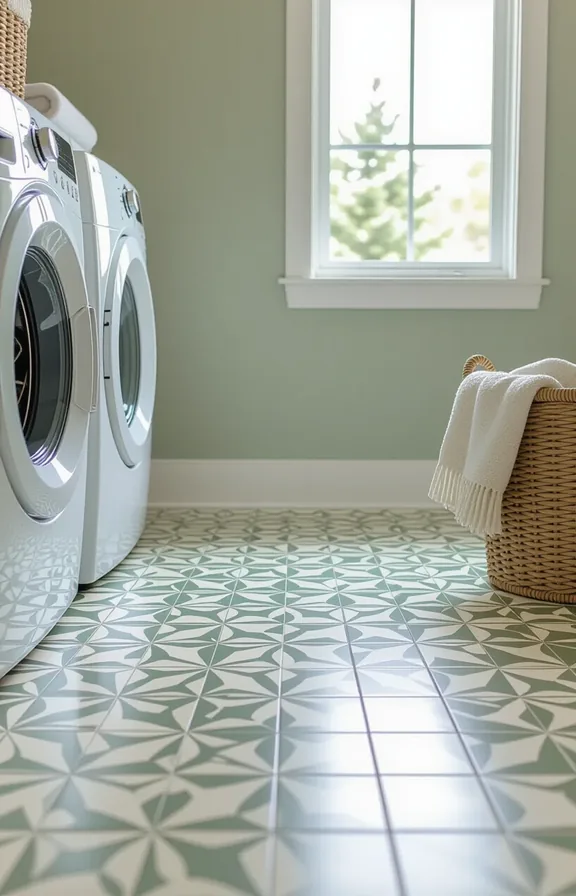
A boring vinyl sheet floor makes a laundry room feel purely functional. This drains the space of any hygge comfort.
A patterned peel-and-stick tile layer changes the entire room’s foundation. It introduces artistic geometry into a hardworking space.
Choose a medium-scale geometric or checkered pattern. This hides splashes and soap drips beautifully.
The installation is a simple weekend project with zero permanent damage. Budget-friendly tile squares offer maximum visual impact.
The play of pattern on the floor provides all the needed interest. You can then embrace ma, or negative space, on walls and counters.
This approach blends Scandinavian functionality with artistic intention perfectly. Your laundry room now feels calm, purposeful, and entirely new.
Pro Tip: Let your chosen floor pattern be the room’s single bold statement. Keep everything else—cabinets, walls, shelving—simple and neutral to maintain a sense of order and calm.
9. Tiered Ladder Storage System
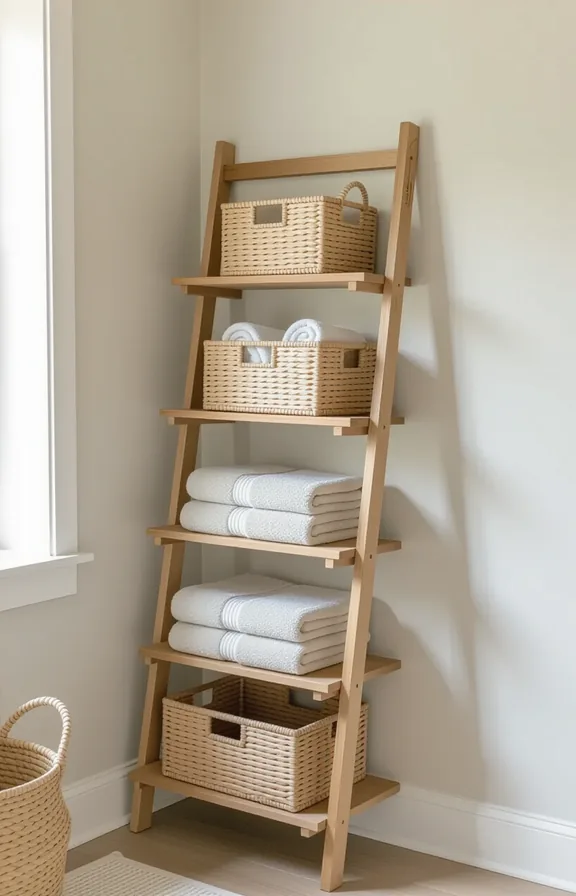
Lean a wooden ladder shelf against the wall beside the washer. This makes use of vertical space without drilling or hardware.
The open tiers create ma, the negative space that invites calm. A simple ladder keeps air moving around folded laundry, preventing musty smells.
Look for a ladder between 6 and 7 feet tall for standard laundry rooms. Position it near the dryer so items are easy to reach.
No tools or wall anchors are needed for a freestanding ladder. Setup takes less than five minutes after bringing the ladder inside.
Pro Tip: Use a vintage wooden ladder from a flea market. Sand it lightly to preserve the natural patina.
10. Glass Jar Supply Organizers
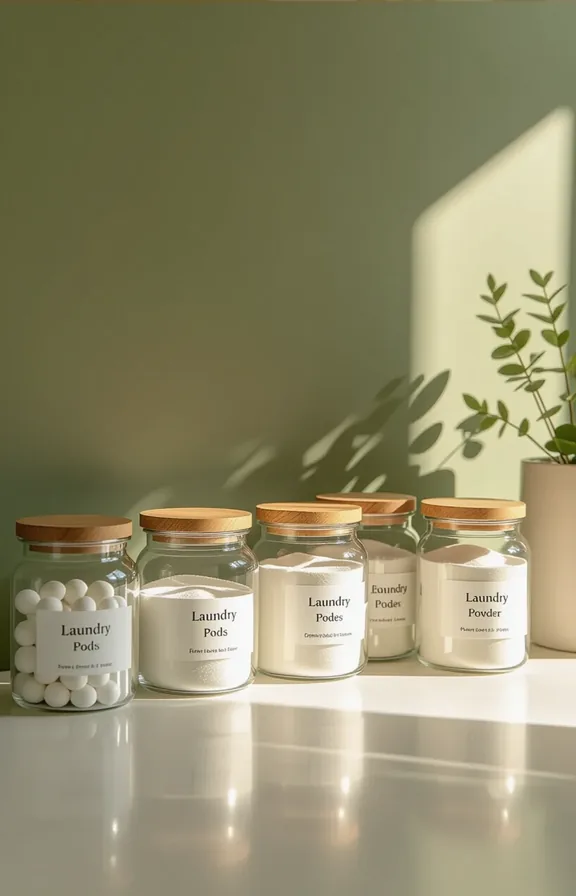
Clear glass jars start around ten dollars for a set. Fill them with soap flakes and clothespins on a floating shelf.
Group three identical jars near your laundry detergent. Their uniformity creates intentional negative space or ma.
This system follows a key Japandi principle. Visual order brings a sense of profound calm to a utilitarian room.
Arrange the jars with purpose, not just function. This deliberate placement is the core of a mindful home.
Ikea and thrift stores often carry simple glass apothecary jars. Avoid labels to maintain a clean, sculptural look.
Pro Tip: Use only natural, single-ingredient supplies inside the jars. Think OxiClean powder or Marseille soap bars. This raw material honesty feels luxurious and timeless.
11. Mint Green Paint Accent Wall
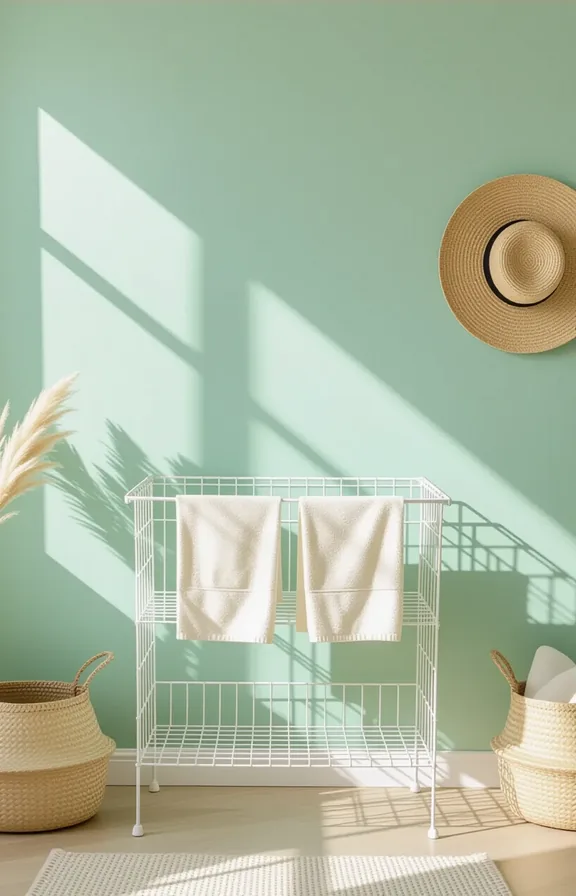
Renters can anchor their small laundry nook with one mint green wall. This single change creates deliberate visual weight without any renovation work.
The colour introduces a calming natural element. It brings a sense of the outdoors into this purely functional room.
Apply the paint only behind your washer and dryer unit. This focuses the visual impact like a headboard for your machines.
Use a sample pot for this small accent area. No tools are needed and you cause no damage to walls.
Mint green balances cool serenity with organic warmth. This hue blends Scandinavian function with a Japanese sense of calm.
It defines the room’s purpose while embracing negative space or ma. Your remaining walls and surfaces stay clean and simple.
Pair the wall with natural rattan baskets for laundry sorting. Their organic texture alongside the paint reflects wabi-sabi beautifully.
Pro Tip: Use painter’s tape for a sharp line against adjacent cabinets. This precision creates a clean, intentional look that feels permanent.
12. Sliding Barn Door Hamper
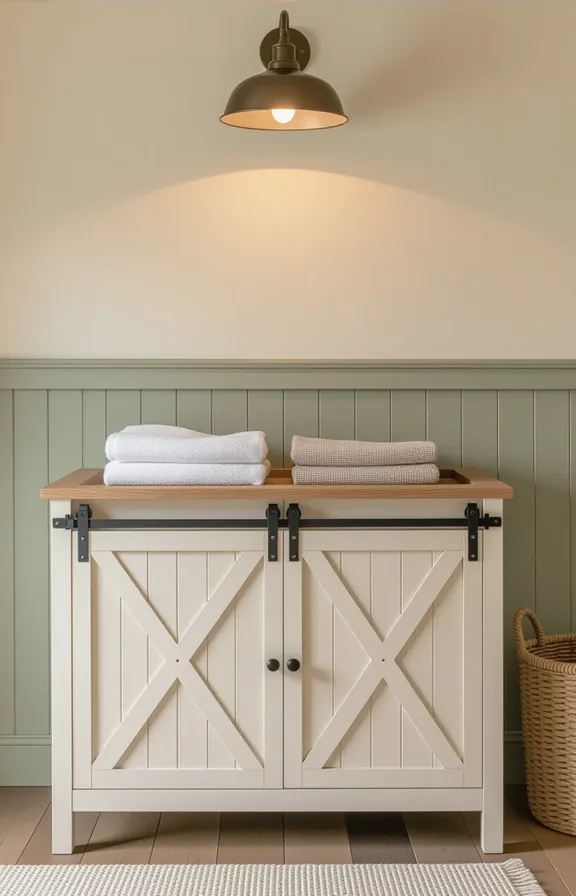
The laundry room had a lonely plastic basket before. It felt cluttered and temporary.
A freestanding white cabinet replaces it now. Its sliding barn door uses classic hardware.
The white finish reflects more light into the small room. The space feels calm and intentional.
This took one afternoon to assemble. It cost under forty dollars total.
The door’s slide mechanism makes putting laundry away effortless. This honours functional design, a core Japandi principle.
The cabinet hides clutter completely behind one door. This creates visual ma, or negative space.
Pro Tip: Adding small reed diffuser on top introduces subtle scent. This touch brings hygge to a utilitarian room.
13. Woven Laundry Sorter Trio
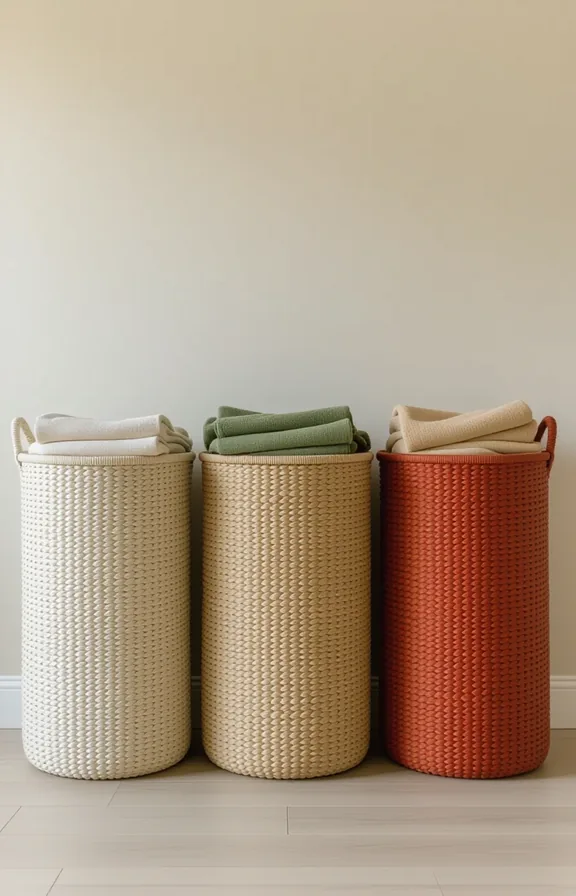
The laundry room floor becomes a messy piled mountain of unsorted clothes. This creates visual noise and an immediate sense of unfinished chores.
That pile disrupts the room’s ma, or intentional negative space. It feels chaotic because the work has no designated beginning.
Replace the pile with a trio of large woven baskets. Label them for lights, darks, and delicates with simple natural wood tags.
Most laundry rooms have at least this one floor-based clutter mistake. A dedicated sorting station prevents the cascade before it starts.
The woven texture brings a warm, organic hygge feel to a utilitarian space. Function meets calm in this Japandi-inspired organizational fix.
Pro Tip: How to spot this mistake instantly in any room. Look for any laundry basket that also functions as a catch-all dumping ground on the floor.
14. Industrial Pipe Clothing Rail
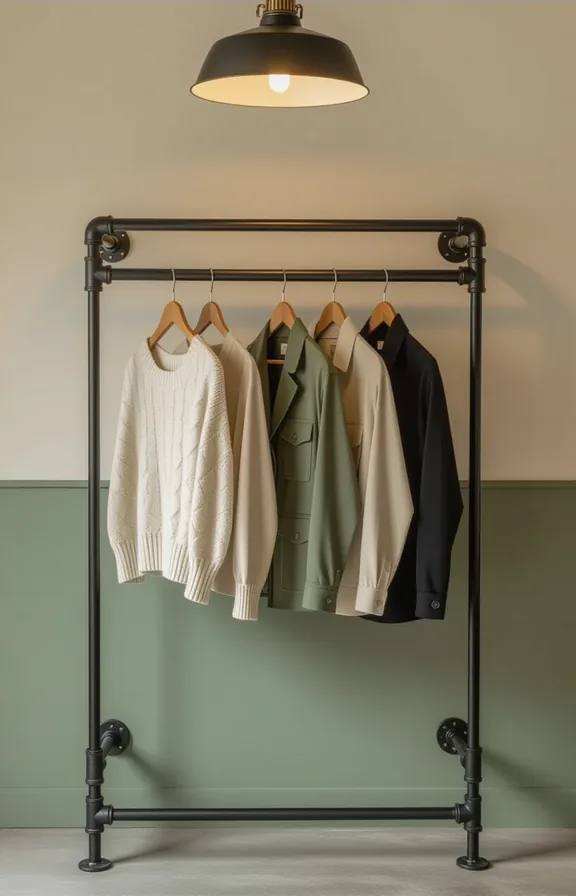
Damp clothes often hang from doorknobs or over chair backs. This clutter kills the laundry room’s sense of order.
A freestanding black iron pipe rail creates a dedicated spot. It solves the problem without drilling a single hole.
The industrial material brings a raw, utilitarian honesty. Its presence reflects wabi-sabi through function and authentic wear.
Assembling the rail from parts is surprisingly affordable. Its simple form leaves visual ma around it.
Use it for air-drying delicate items or freshly ironed shirts. Keep the rail’s footprint narrow to preserve floor ma.
The stark metal against softer laundry room textiles creates balance. This mix defines the Japanese-Scandinavian functional calm.
Pro Tip: Place a shallow tray beneath the rail to catch any drips. This maintains cleanliness and honors the wabi-sabi principle of thoughtful utility.
15. Marble Contact Paper Counter
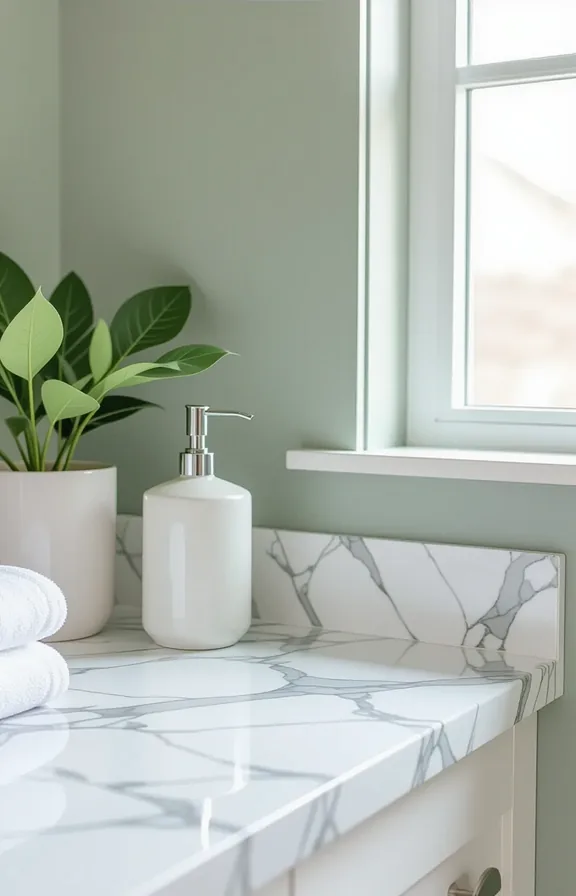
Begin by cleaning your existing laminate counter. Apply marble-pattern contact paper directly over the tired surface. This creates an instant, upscale focal point.
The pattern distracts from the old counter material. This principle allows for bold pattern without chaos. It embodies the Japandi balance of simplicity and visual interest.
Cut your paper slightly larger than the counter. Use a credit card to smooth out air bubbles. The whole project takes about thirty minutes to complete.
Align the pattern’s veins to flow towards the sink. This small detail creates a deliberate, uncluttered visual line. It follows the philosophy of ma, or mindful use of space.
Wrap the edges neatly over the counter’s front lip. Seal them underneath with a hairdryer for durability. This keeps utility surfaces looking serene and cohesive.
Pair the glossy marble with natural reed baskets underneath. This textural contrast is key to the style. The blend of pattern and organic material defines Japandi.
Pro Tip: Use a lighter, soft-grey marble pattern, not stark white. It hides typical laundry room dust better and feels more calming, supporting the hygge-like comfort of a functional space.
16. Wall-Mounted Fold-Down Table
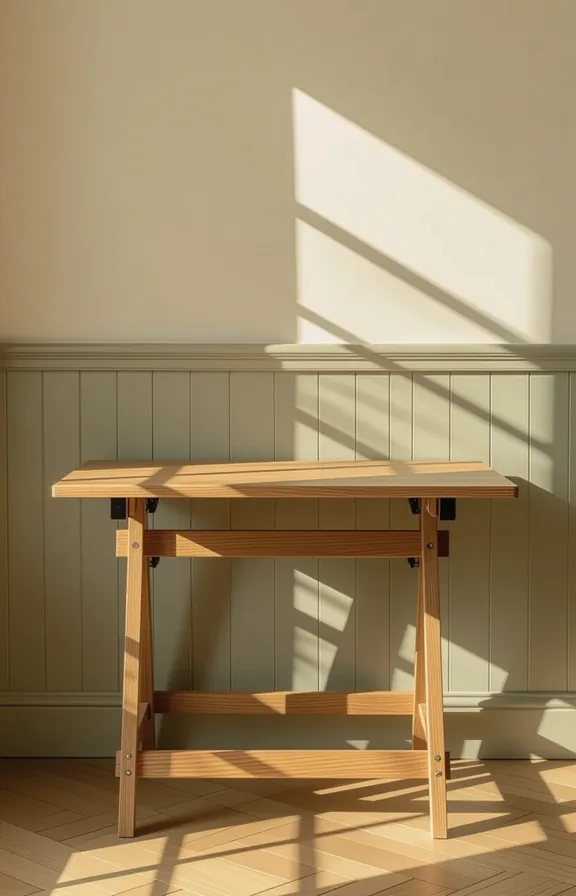
A basic wooden tabletop costs less than forty dollars. Pair it with simple black iron brackets from any hardware store.
Use a light oak finish and a clean, rectangular shape. Place it flat against the wall between your washer and dryer.
The simple form and natural wood grain embody Japandi style. This mix of functionality and calm looks deliberately expensive.
It follows the principle of ma, or negative space. The clean, uncluttered surface creates visual breathing room.
Find affordable tabletops at IKEA or on major online retailers. Sand and seal raw wood yourself for a custom finish.
This avoids any permanent renovation to the laundry room. The fold-down mechanism keeps the space clear when not sorting.
Pro Tip: Stain the wood a soft, muted walnut tone. This deep, natural colour looks far more costly than basic pine.
17. Macrame Shelf with Plant
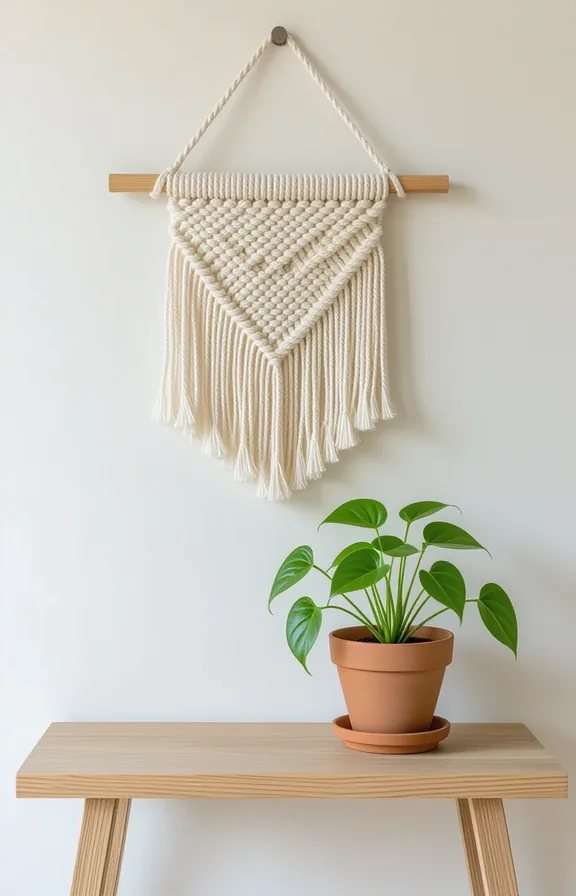
Renters in small apartments need stylish, non-permanent solutions. A macrame wall shelf solves this perfectly for laundry corners.
Hang it over a utility sink or stacked machines. This adds needed storage without any drilling.
The natural jute fibers and light wood embody wabi-sabi. They bring soft, imperfect texture to a hard room.
Place one trailing plant like a pothos on the shelf. Its organic shape provides hygge against stark appliances.
Leave the shelf otherwise empty. This respects ma, the intentional use of negative space.
The blend of Japanese calm with Scandinavian function quiets a busy area. This small addition feels like a deliberate design choice.
No tools are needed for installation. This creates zero damage to your rental walls.
Pro Tip: Use a removable adhesive hook rated for the shelf’s weight. Loop the macrame’s top cord over it cleanly for a secure, damage-free hang.
Start with a new light fixture. This swap takes less than an hour. It instantly changes the room’s entire mood.
Consider pairing it with a fresh coat of paint. A single accent wall complements the new lighting perfectly. This two-step plan feels like a major renovation.
Use these ideas to build your dream laundry space. Save this article for your next project weekend.