
This platform is proudly ad-free! To keep it that way and support our efforts, some posts may contain affiliate links. These links come at no extra cost to you, but they help us grow and continue providing valuable content. Thank you for your understanding and support!
September brings a welcome shift in the light. Mornings feel crisper and evenings arrive a little earlier.
This quiet change asks for a gentle decor update. Your home should feel ready for the new season.
These early fall decor ideas honor that subtle transition. They focus on simple, natural shifts rather than a full overhaul.
Most ideas require items you already own. None demand a major shopping trip or a big budget.
The first benefit is instant, noticeable warmth without any clutter. Start with the linen and candle swap for an immediate effect.
1. Honey Oak Dining Room
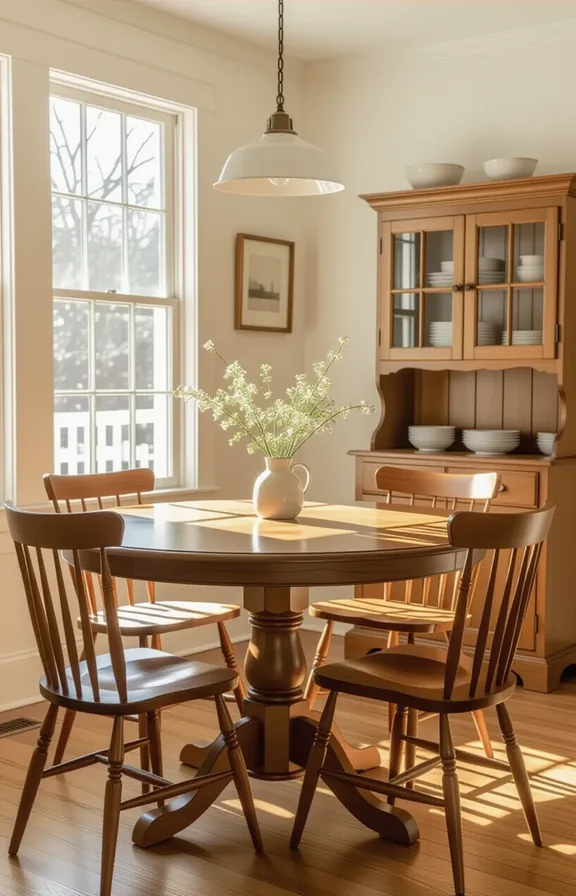
Warm amber tones in the wood grain define this dining room. Natural light softens the space with a gentle honey oak glow.
The architectural character feels honest and quietly solid. Its philosophy is pure Scandinavian functionality meets Japanese wabi-sabi warmth.
Key materials include raw linen, matte ceramic, and smooth wood. Imperfect textures reflect the beauty of natural wear.
A colour palette of oat, cream, and light terracotta emerges. These soft earth tones welcome the September season change.
Low-hung paper lanterns cast a soft, diffused light. The lighting quality creates an intimate Scandinavian hygge atmosphere.
One chair might hold a hand-knotted wool throw. This thoughtful detail invites slow, meaningful autumn gatherings.
The concept suits those who value calm, clutter-free entertaining. It requires a commitment to mindful material selection.
You Might Also Like
2. Textured Wool Sofa Nook
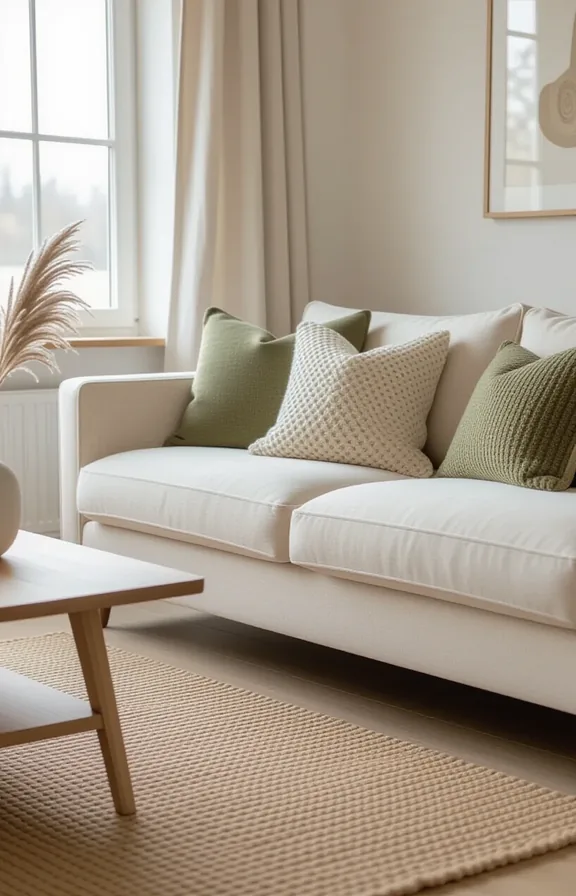
Many living room nooks feel stiff and unwelcoming in early fall. This is a lost opportunity for seasonal hygge.
Your sofa becomes the room’s cozy anchor. Textured wool throws in oatmeal or cream invite immediate use.
Layer two throws of slightly different weaves. This simple touch adds visual depth without any clutter.
Add one chunky knit pillow in a warm taupe. Keep other pillows simple and smooth for contrast.
The wool’s natural texture embraces wabi-sabi perfectly. It shows beautiful, lived-in comfort as the weather cools.
Place a low, wooden side table within easy reach. A stack of books and a single ceramic mug complete the scene.
This setup costs little but changes the room’s feel entirely. It prioritizes human comfort over pure decoration.
The blend of soft wool and clean wood is classic Japandi. Functionality and calm warmth exist together here.
3. Plaid Throw Bedroom
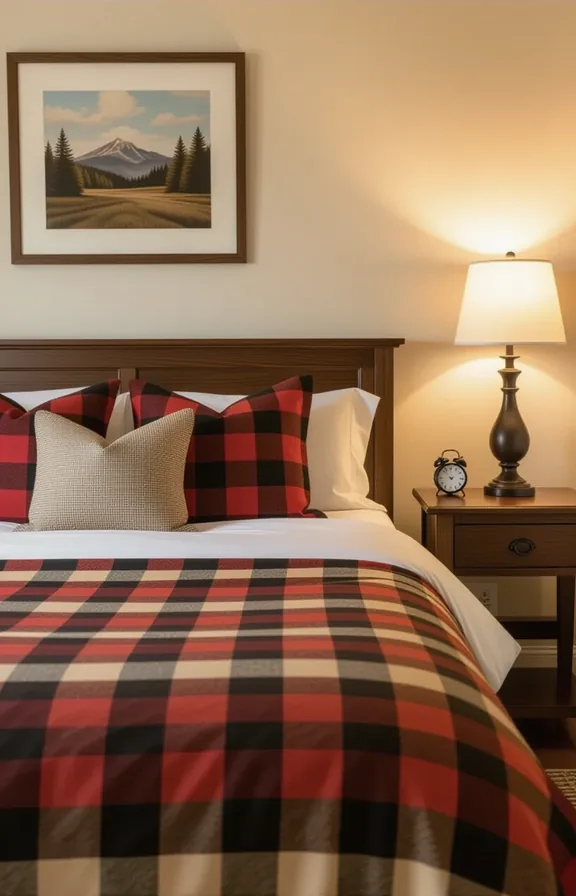
Layer a thick buffalo check throw at the foot of the bed. This adds instant seasonal texture without major change.
Drape it loosely for an inviting, relaxed look. This approach embraces the wabi-sabi beauty of softness and ease.
Use a folded wool blanket underneath for extra height. This creates a deliberate, cozy focal point.
The bed itself becomes a warm autumn landscape. It takes two minutes and needs no new tools.
Choose a color pulled from existing bedroom art or rug. This connects the new layer to the room’s permanent foundation.
4. Warm Brass Lantern Corner
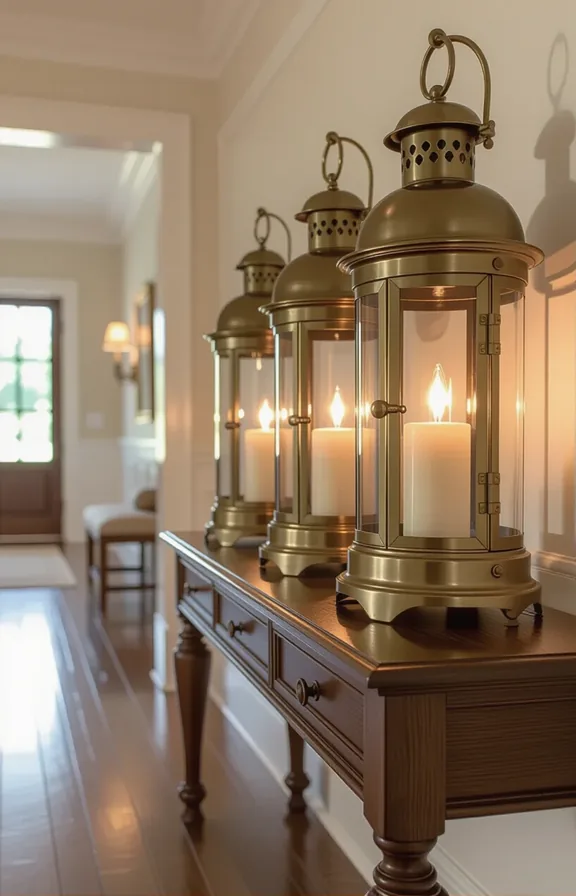
A group of warm brass lanterns on a console is this September’s investment piece. You can find them affordably at any secondhand marketplace.
They often have a naturally distressed finish. This patina reflects the wabi-sabi beauty of aged materials.
Cluster them at varying heights on a wooden surface. Place them beside a simple ceramic vase or a stack of books.
The collection creates an immediate, artful focal point. This grouping principle makes the corner look intentionally curated.
The warm metal adds instant depth to neutral spaces. Its glow against dark wood is a classic hygge moment.
Focus on pieces with simple, clean silhouettes. This balance of organic warmth and clean lines defines the Japandi blend.
Secondhand stores and major home retailers are your best sources. Look for lanterns with real glass panels, not plastic.
5. Dried Grass Entryway Table
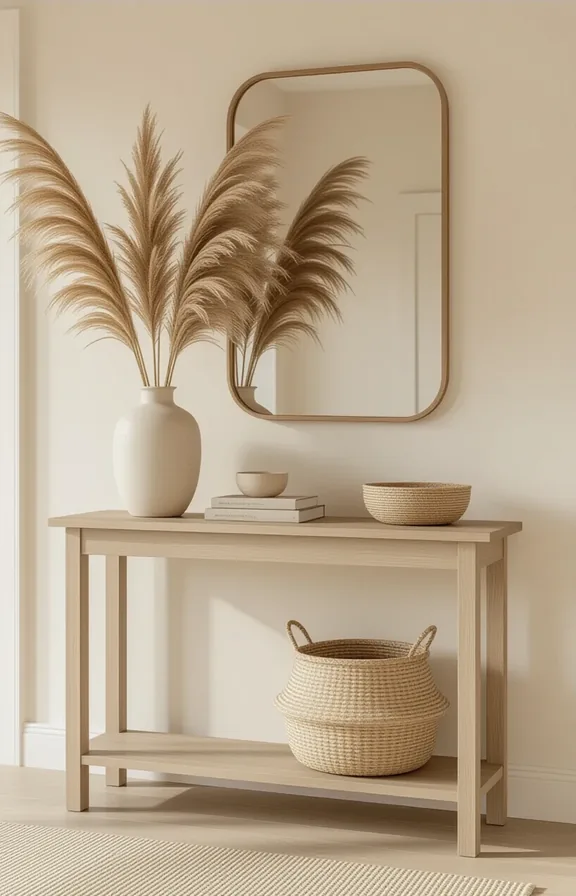
Renters and new homeowners often struggle with personalizing their entrance. This look requires no drilling into walls or permanent fixtures.
Start with a simple vase of dried pampas grass on your entry table. Its organic shape embodies wabi-sabi beauty and natural imperfection.
Flank the vase with a shallow bowl for keys and a single candle. Keep the arrangement low to maintain a clear sightline into your home.
This approach values ma, or intentional negative space, on your surface. No tools are needed and there is no damage to walls.
The dried grasses add soft texture without any living plant care. This blend of natural form and function is core to Japandi style.
6. Cream Knit Blanket Pile
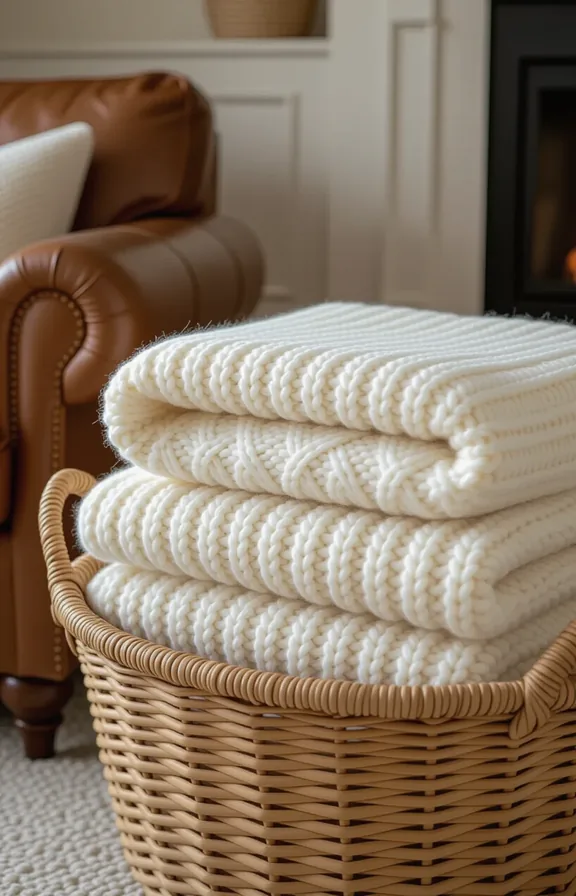
The sofa looked spare and cool before September’s arrival. It lacked the layered softness early fall demands.
A collection of chunky cream knit throws now sits in a large basket. Their wool-blend texture is soft and slightly imperfect.
This reflects wabi-sabi through organic, tactile materials. The pile invites use, blending Scandinavian coziness with functional storage.
The space now feels softly cocooning and gently layered. Light filters through the textured wool, warming the entire corner.
This took one thrift store trip and cost under forty dollars. It introduces hygge through simple, comforting textiles instantly.
7. Forest Green Accent Wall
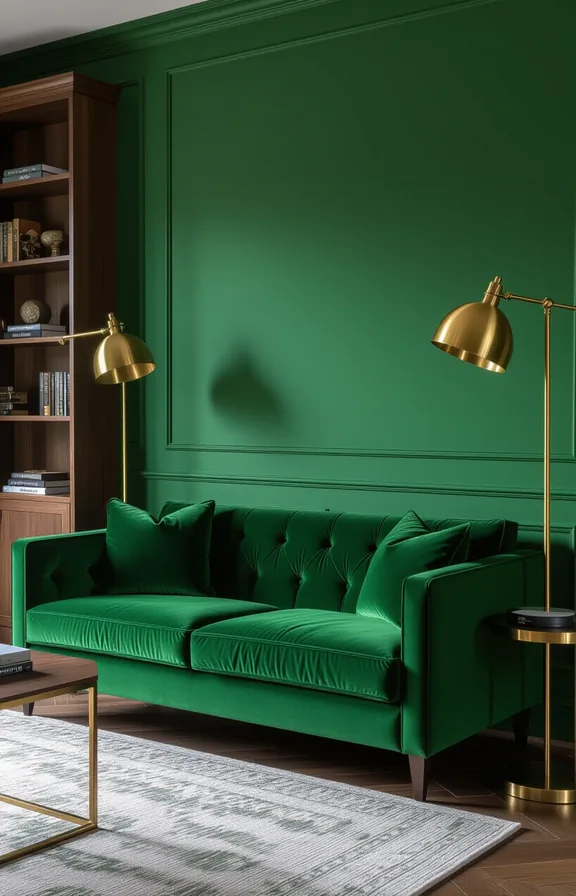
A flat sage accent wall fades into the background. It feels timid and fails to set a seasonal mood.
Light greens blend too easily with existing neutral walls. The room lacks a deliberate focal point.
Choose a deep, matte forest green instead. Paint the wall behind the primary sofa to ground the seating area.
This creates intentionality through negative space, or ma. The dark wall frames the room’s quietest zone.
Most living rooms have at least one bland accent wall. It is a common missed opportunity for depth.
8. Linen Curtain Window Seat
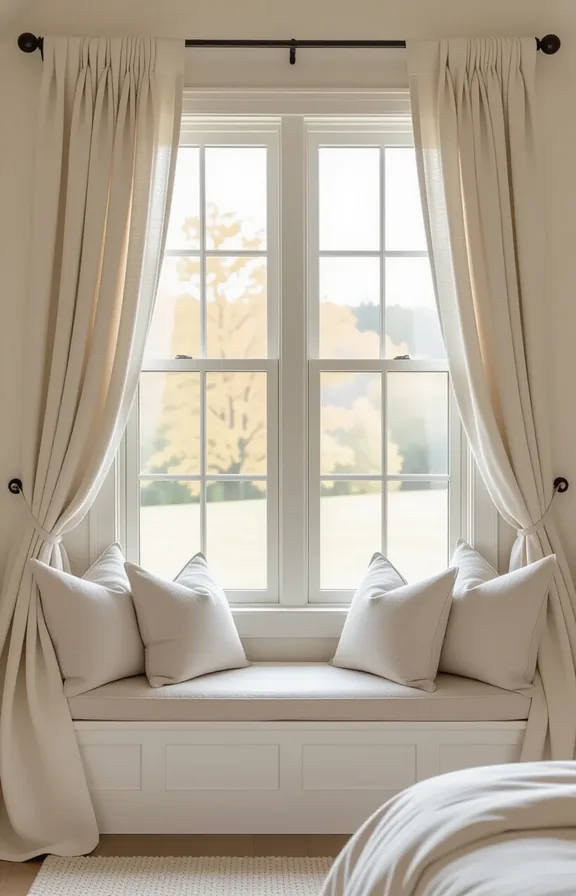
Heavy velvet drapes block all the soft September light. They feel too formal for this early fall moment.
The weight makes the entire window seat area feel closed off. It contradicts the airy Japandi principle of ma, or intentional space.
Replace them with natural linen panels in a warm oat colour. Their gentle texture filters light beautifully for a soft glow.
This simple swap is surprisingly affordable. It instantly lightens the room’s entire feeling.
Add a single wool blanket in a muted rust tone on the seat. This introduces hygge warmth without visual clutter.
The linen will wrinkle and move with the breeze. This embodies wabi-sabi’s appreciation for natural, imperfect beauty.
9. Burnt Orange Velvet Chair
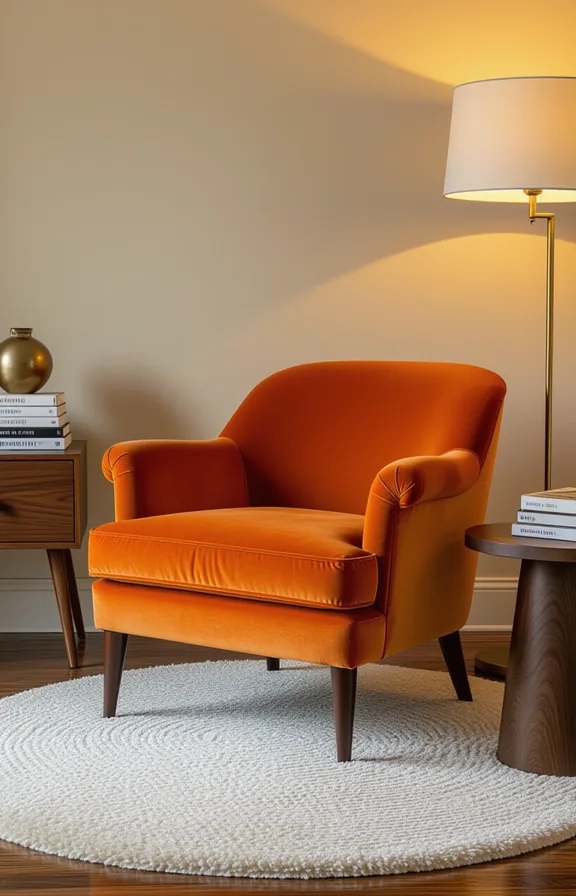
Place a single velvet chair in a quiet corner near a window. This becomes a dedicated spot for reading or quiet reflection.
Its rich burnt orange colour pulls warm amber light from the September sun. This creates an instant feeling of hygge and cozy containment in the room.
Anchor the chair with a simple, flat-woven wool rug underneath. The chair should stay clear of other furniture to honour ma, or negative space.
Add a textural contrast with a chunky oatmeal knit throw folded over the arm. This introduces softness and a Scandinavian sense of comfort to the structured Japanese aesthetic.
The setup takes five minutes and needs no tools. Simply clear the corner and position the chair for the best natural light.
10. Brown Ceramic Vase Mantel
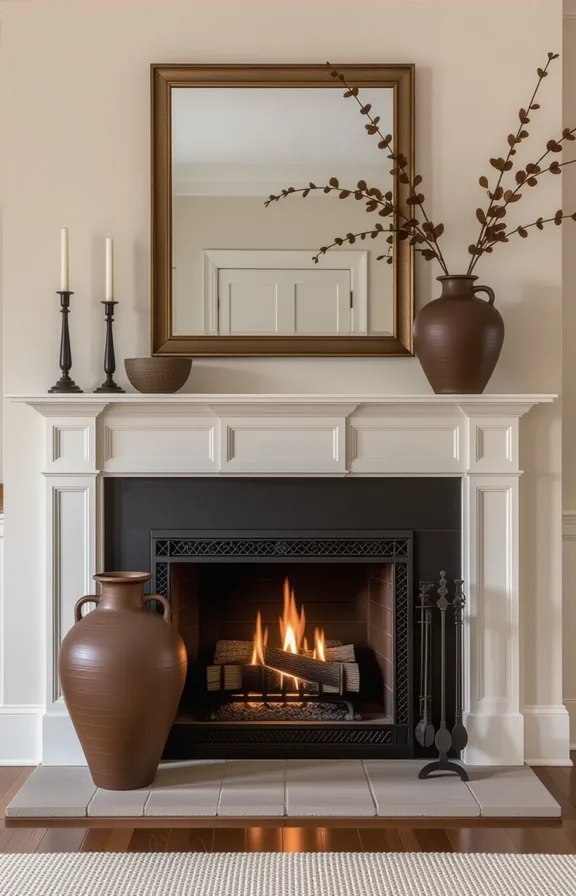
A heavy brown ceramic vase sits at one end. It costs under fifty dollars online. This piece immediately grounds a fall mantel.
Its textured, irregular surface shows intentional handcraft. This imperfection reflects a strong wabi-sabi influence. The colour is a deep, earthy clay brown.
Place it off-center for a dynamic look. Honour the principle of ma by leaving the other side mostly empty. This creates a calm, intentional focal point.
The simple form feels expensive because it is substantial. It follows the Japandi rule of quiet functionality. Its weight and texture suggest quality.
Find similar pieces at big-box home stores or Etsy. Affordable options use real clay with a matte glaze. They provide the same organic warmth.
11. Natural Basket Storage
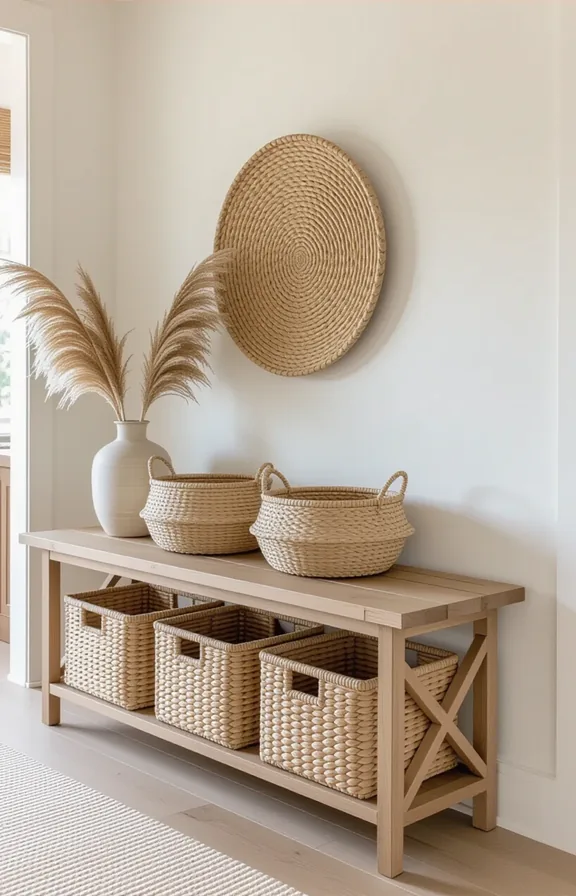
Renters need storage that does not require permanent fixtures. Natural baskets provide function without any wall damage or tools.
Use a large seagrass basket for spare throw blankets. Place a smaller rattan one nearby for magazines or remotes. This grouping follows a wabi-sabi appreciation for organic textures.
Keep your baskets low to the ground under a console or bench. This honors the principle of ma, or negative space, above them. The empty surface area feels intentional and calm.
Choose two or three baskets maximum for a small living space. This prevents visual clutter while still offering practical seasonal storage. The blend solves a functional need with serene simplicity.
12. Rust Coloured Taper Candles
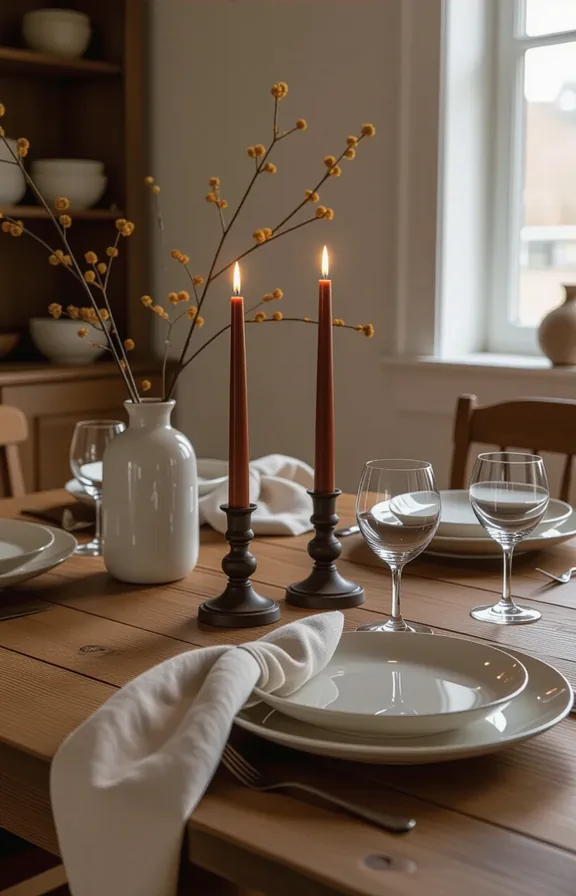
The clear glass candlesticks looked spare last month. They felt too clinical for September evenings.
The swap was simple. Two rust coloured tapers replaced the white ones. They now sit in a low wooden holder.
This change channels an earthy hygge warmth as days shorten. The amber glow reflects beautifully off the wood.
This immediate update cost under twenty dollars. It took five minutes to implement fully.
13. Cinnamon Stick Centerpiece
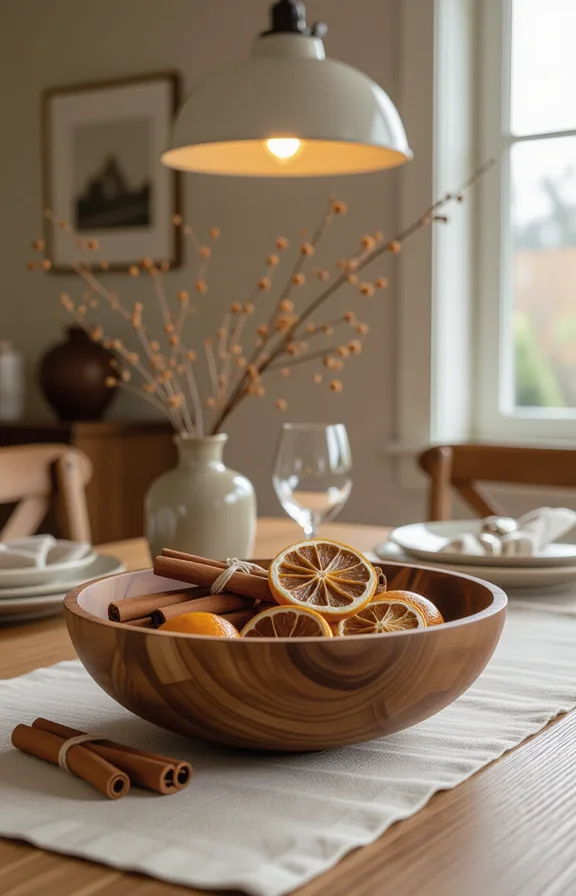
Many September tables host a jar of spices as an afterthought. It feels like a pantry item accidentally left out. This approach lacks the intentionality of proper wabi-sabi.
That lonely container becomes a visual dead end. It offers no textural interplay with the rest of your place settings. Most kitchens have at least one of these simple jars.
Swap the jar for a low, wide wooden bowl. Fill it generously with loose cinnamon sticks. This creates a foundation of organic texture.
Cluster a few pillar candles directly among the sticks. The warm wax echoes their rich brown tones. This adds the hygge element of a soft, natural glow.
Scatter a handful of dried orange slices over the top. Their imperfect, curled shapes honor wabi-sabi. They add a pops of seasonal colour without being loud.
Leave breathing room around the bowl on the table. This respects the concept of ma, or negative space. The centerpiece then feels grounded, not cluttered.
14. Heavy Cotton Duvet Layer
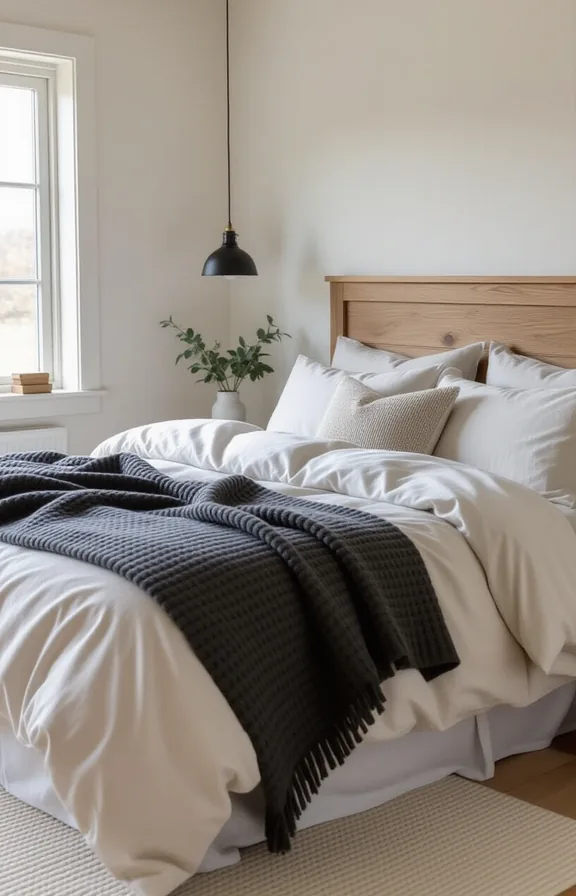
A heavy cotton duvet anchors the entire bed in this September retreat. Its crisp, cool white fabric folds neatly over a wool blanket.
This simple weight provides a perfect seasonal transition away from summer linens. Notice the textured weave and the subtle, calming heft.
The room’s philosophy embraces a quiet, functional hygge through textile layers. Natural materials and gentle warmth build a sanctuary for early evenings.
This look works well in calm bedrooms with low, warm lighting. It requires a commitment to simple, quality textiles over decorative clutter.
15. Leather Bound Book Stack
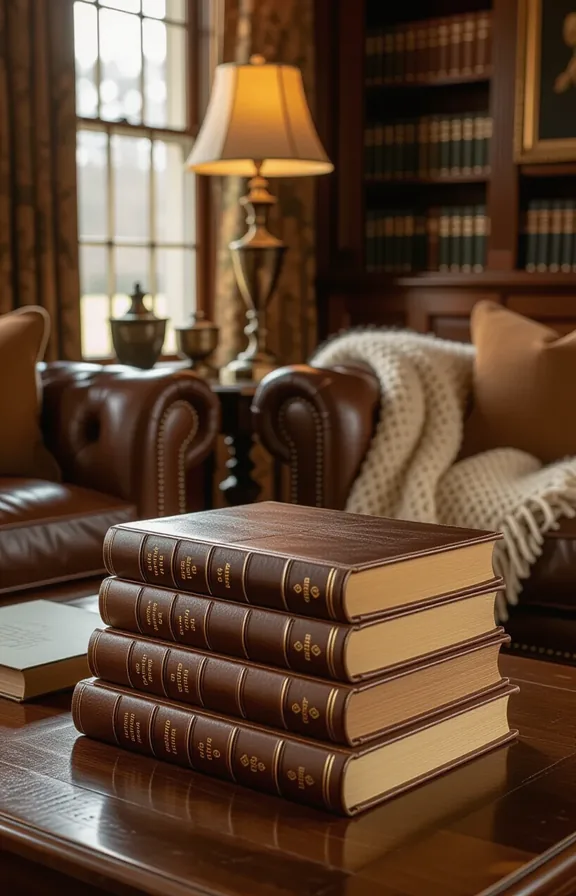
Many September coffee tables look cluttered with too many summer accessories. This disrupts the calm, grounded feeling you want for early fall.
Swap out bright ceramics for a small leather book stack. Choose three books with worn, natural covers in brown or green.
The leather texture introduces a wabi-sabi sense of age and warmth. It is a simple, affordable swap that requires no permanent commitment.
Place the stack slightly off-center on your wooden table. Leave generous negative space (ma) around it for visual breathing room.
A single sprig of dried foliage can rest on top. This tiny natural element completes the subtle seasonal shift beautifully.
16. Terra Cotta Planter Group
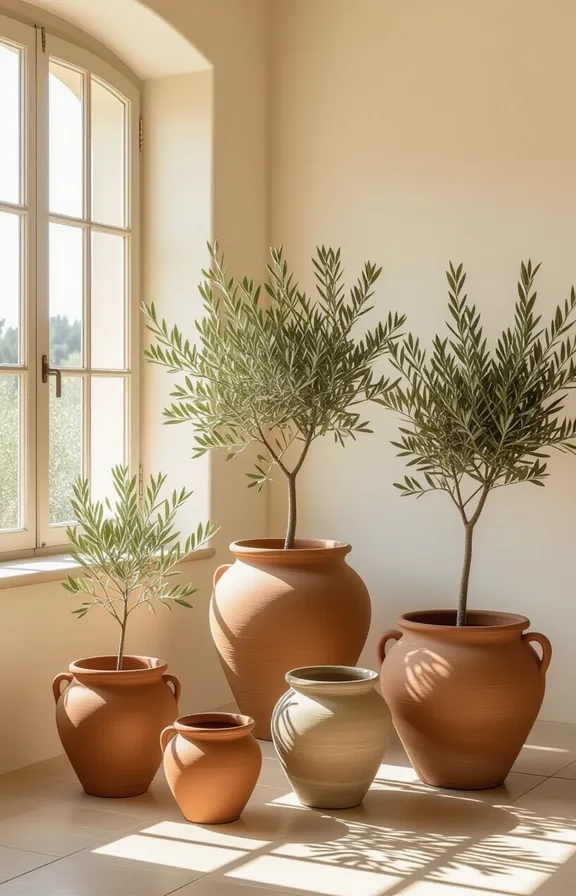
Cluster three terra cotta planters on your September porch. Use a short, medium, and tall pot for visual rhythm.
This arrangement uses a clear design principle. Odd-numbered groupings feel more dynamic and intentional.
Space them about six inches apart for breathing room. This empty space, or ma, is vital for clarity.
Choose olive branches or feathery grasses for textural contrast. The pots’ earthy tones celebrate wabi-sabi with natural imperfection.
You can assemble this grouping in under five minutes. No special tools or complicated arrangements are required.
The warm terra cotta welcomes September’s softer, lower light. It grounds the space in an organic, hygge warmth.
17. Soft Gauze Table Runner
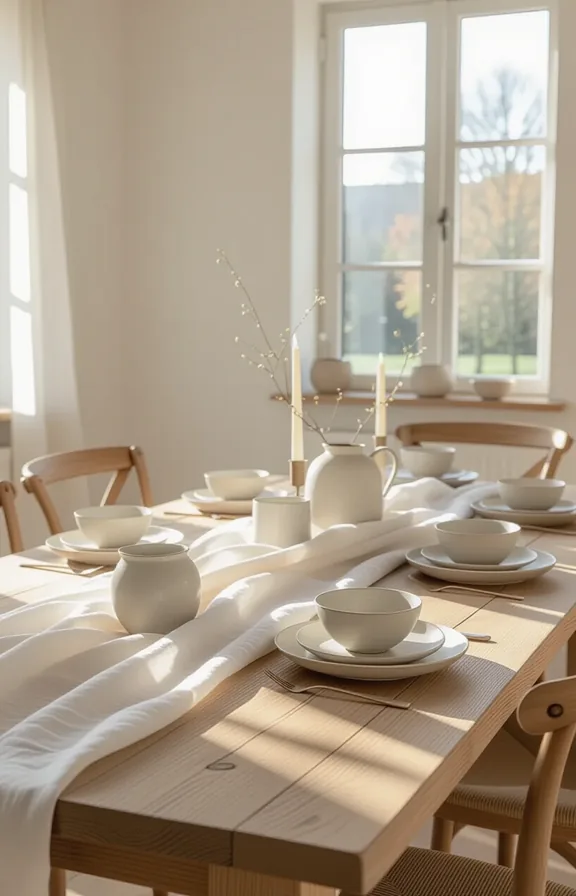
A gauze runner costs under twenty dollars. It introduces quiet textural softness to a dining room.
Place it over a dark wood table. It provides a soft counterpoint.
The fabric drapes and crinkles subtly with wabi-sabi charm. Its natural wrinkles are part of the aesthetic.
Light filters through its loose weave beautifully. It makes a simple setting feel layered.
This looks expensive by embracing negative space or ma. The runner defines a zone without crowding it.
Find affordable versions in natural linen shops online. Thrift stores also yield similar, well-worn pieces.
18. Wheat Sheaf Art Print
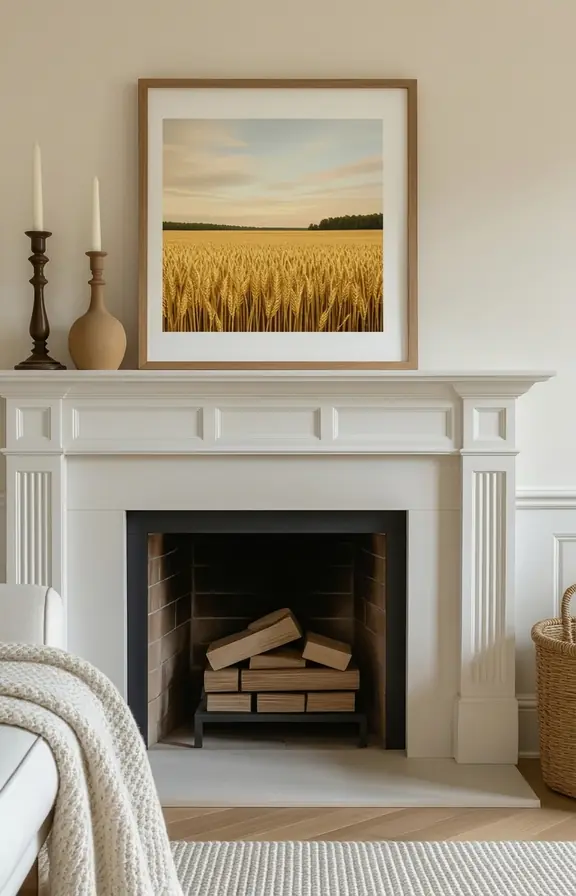
A single framed print brings nature inside with zero damage to walls. This works perfectly for a renter’s temporary seasonal update.
The print’s subject reflects wabi-sabi through its organic, impermanent form. Choose a simple frame to keep the focus on the natural texture.
Place it on a console or a floating shelf to honor the Japanese principle of ma. This negative space around the art creates visual calm.
This method requires no tools and respects any lease agreement. The seasonal change is subtle but deeply intentional.
Start with a simple textured throw on your sofa. This is the easiest seasonal update.
A chunky knit or linen blanket adds instant warmth. It requires no installation or major moving.
Layer it with a few dried wheat stems in a vase. This pairing creates a subtle, natural look.
These small touches welcome September beautifully. Save this list for your next decor refresh.