

25 Rattan and Linen Decor Ideas for Afrohemian Boho Style on Budget
This platform is proudly ad-free! To keep it that way and support our efforts, some posts may contain affiliate links. These links come at no extra cost to you, but they help us grow and continue providing valuable content. Thank you for your understanding and support!
Rattan and linen are everywhere in home decor right now, but most curated inspiration feels expensive and out of reach.
The good news: Afrohemian boho style celebrates natural materials and honest aesthetics, which means budget-friendly decorating actually fits the design perfectly.
You don’t need a huge renovation or designer budget to create warm, textured spaces that feel intentional and beautiful.
Most of these ideas cost under fifty dollars per room, and many require zero tools or installation.
This list gives you complete room visions, not single products or quick fixes. Each one shows you how rattan and linen work together as a foundation for layered, lived-in style.
You’ll find bedroom sanctuaries, welcoming entryways, and calm living zones that actually feel achievable.
The room divider idea at number nine works in apartments and open-plan homes alike.
Whether you’re starting fresh or refreshing one corner, these combinations prove that natural textures create rooms that feel both grounded and generous.
Save this list to return to whenever you need a design starting point.
1. Woven Rattan Bedroom Sanctuary
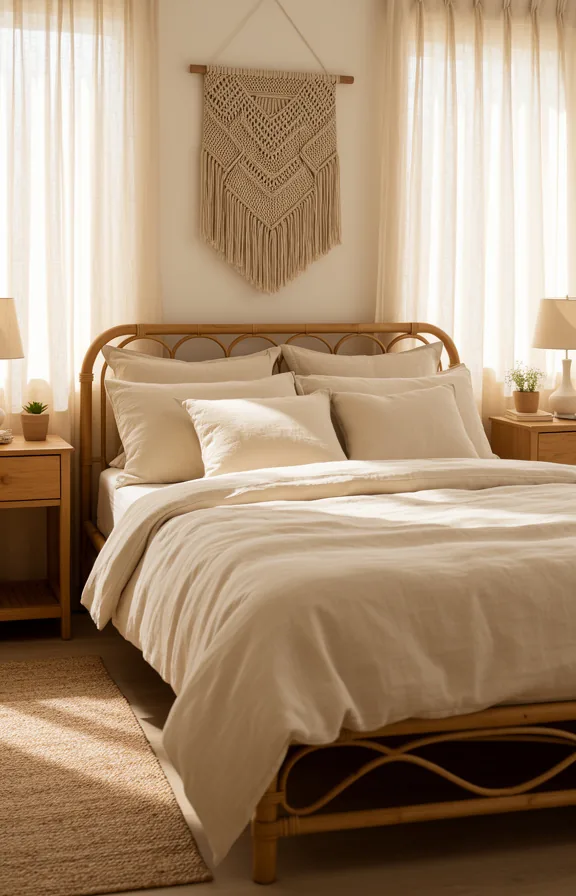
Warm natural wood and soft cream dominate this bedroom. Woven rattan appears on the headboard, wall hangings, and storage pieces.
Your bed anchors the room with layers of undyed linen in cream and pale beige. A chunky rattan headboard rises behind it, casting soft shadows on the wall.
Above the headboard hangs a large woven wall hanging in natural fibers. Its geometric pattern adds texture without cluttering the visual calm.
Low wooden nightstands flank each side in a medium honey tone. Rattan baskets tucked underneath hold blankets and pillows out of sight.
A woven rattan bench sits at the foot of the bed in natural light tan. This piece serves double duty for dressing and storing extra linens.
Lighting comes from brass or gold-toned fixtures positioned at mid-wall height. Soft warm light pools rather than floods the space.
The floor features a natural jute or sisal rug in a rectangular shape. It grounds the bed while keeping the wood flooring visible around edges.
Layered textiles add depth without visual chaos. A chunky knit throw drapes across the bench.
Pro Tip: To keep your rattan and natural fiber pieces looking their best, lightly mist them with water once a week to prevent brittleness and cracking in dry climates.
2. Linen Draped Living Room Corner
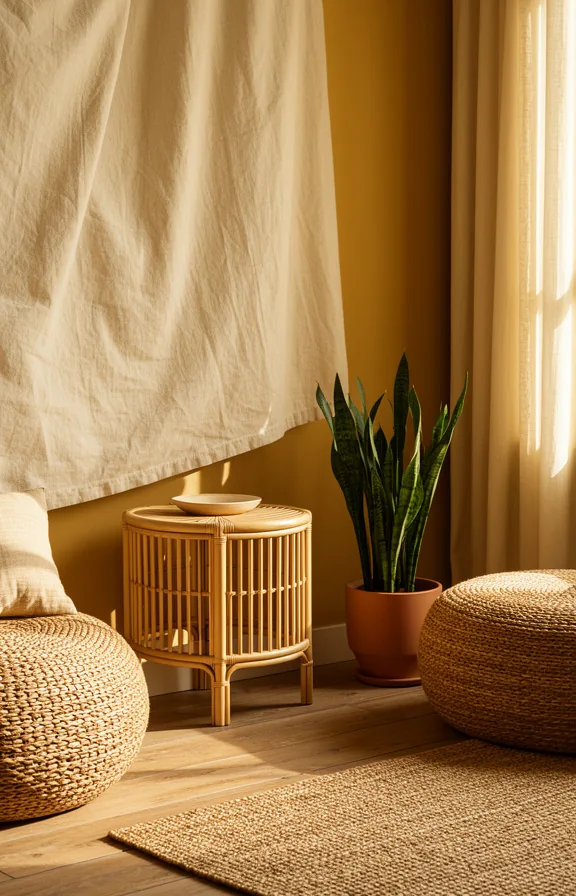
Cream and natural linen fabric hangs loosely from ceiling to floor in your corner. The draping creates soft vertical lines that make the space feel taller and more intentional.
Behind the linen sits a low rattan shelving unit in warm honey tones. This layering gives you storage without blocking the flowing fabric in front.
Your colour palette stays neutral: cream, sand, and warm brown throughout. These tones reflect light differently depending on time of day, keeping the corner visually alive.
A small brass floor lamp sits beside the rattan shelf at ground level. Warm light pools upward and softens the draped linen from below.
Woven baskets in matching tan sit on the lower rattan shelves for hidden storage. Upper shelves hold a few ceramic vessels and a small potted plant.
The corner works without structural changes or fresh paint needed. Most of this look comes from textiles, lighting placement, and one simple shelving piece.
Pro Tip: Hang linen from a tension rod rather than nailing to walls. This lets you adjust fabric fullness and remove it without damage.
3. Natural Fiber Accent Wall Treatment
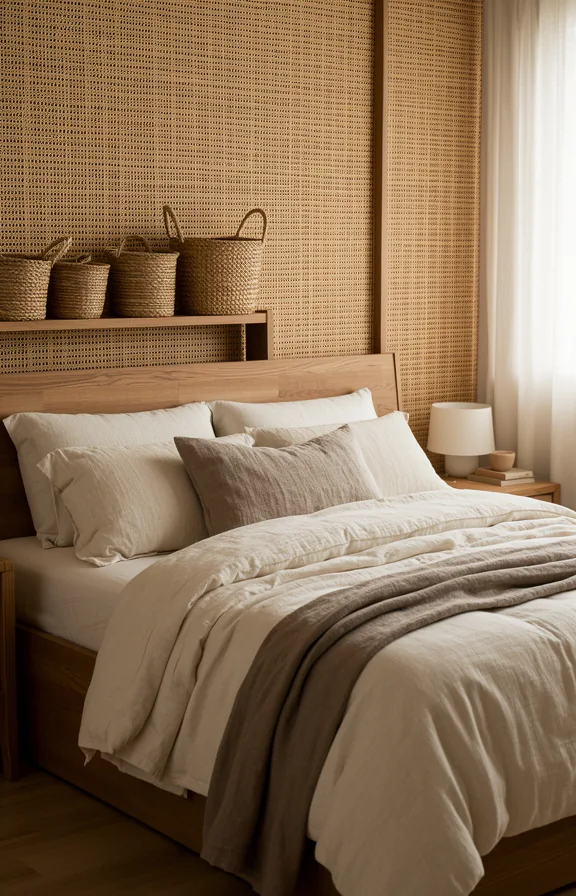
Woven rattan panels or jute matting cover one wall from floor to ceiling. The texture catches light differently throughout the day, creating subtle shadows that shift with the sun.
Your room feels warmer immediately, even in cool seasons. The natural fibers ground the space without needing paint or wallpaper.
A cream or oatmeal linen sofa sits directly in front of the textured wall. The contrast between smooth fabric and rough weave gives the room visual depth.
Warm wood furniture pieces sit beside the accent wall in walnut or light oak tones. These materials echo the rattan’s natural warmth.
Soft, diffused lighting from table lamps and pendant fixtures highlights the weave’s dimensional quality. Direct sunlight makes shadows dance across the wall throughout the day.
Low-level seating like floor poufs and layered area rugs in cream and rust tones anchor the space. The overall mood feels grounded, handmade, and intentional.
This works well in bedrooms and living rooms with one wall you can dedicate to texture. Most of this look comes from material choice, not structural changes.
Pro Tip: Install rattan panels slightly proud of the wall surface to maximize shadow play. This depth is what makes the accent wall feel alive.
4. Rattan Pendant Light Dining Zone
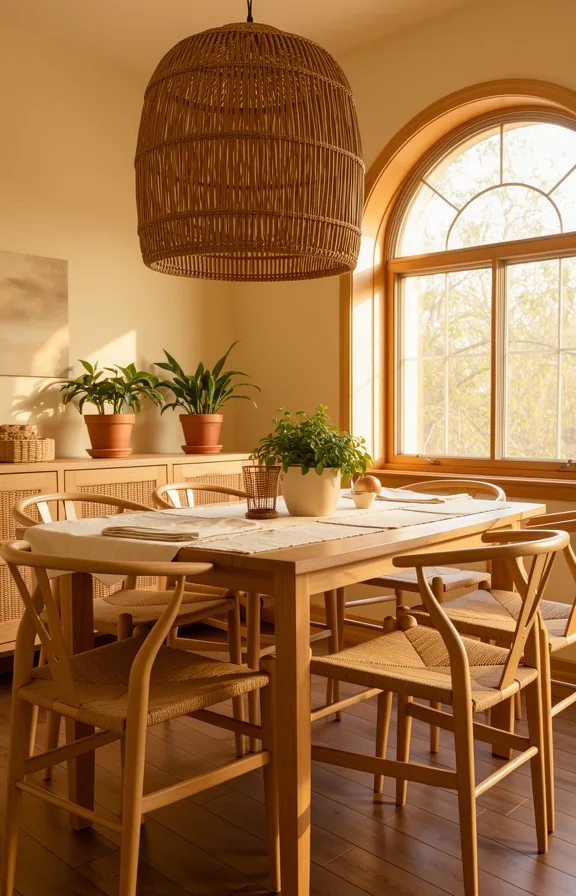
Warm amber light filters through woven rattan above your table. The pendant glows from inside, casting soft shadows on natural wood below.
Your dining zone becomes an intimate gathering space with this single fixture. Rattan diffuses harsh light into something that feels warm and lived-in.
The colour palette stays neutral around the light itself. Honey-toned wood, cream linen, and terracotta pottery ground the space.
Height matters here more than most people realize. Hang the pendant 30 to 36 inches above your table surface.
Scale your rattan globe to match your table width. A small table looks lost under an oversized fixture.
Pair the pendant with a simple wooden dining table. The materials echo each other and feel intentional, not matchy.
Add natural linen placemats and a cream or sage runner. These soften the hard lines of the table.
Layer in terracotta plates or ceramic bowls in warm neutrals. The rattan light ties everything together through colour and texture.
This concept works best in homes with standard 8-foot ceilings. Most of the effect comes from smart placement and warm materials.
Pro Tip: Choose rattan pendants with an open weave at the bottom. Light escapes downward to actually illuminate your table surface.
5. Cream Linen Sofa Statement Piece
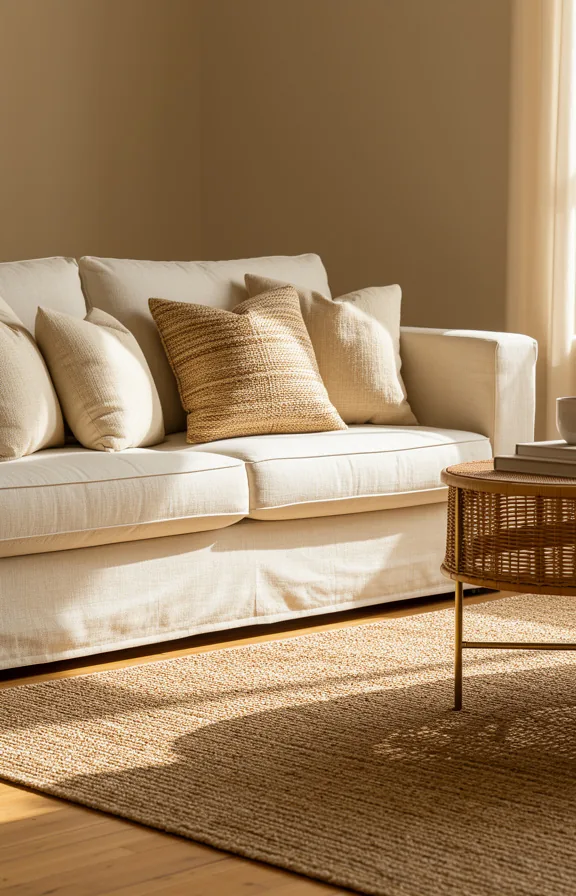
A cream linen sofa anchors the room with soft, lived-in warmth. The natural fabric breathes and wrinkles slightly, which feels intentional rather than careless.
Low, wide proportions ground the space and invite lounging. You’re drawn to sink in rather than sit upright and formal.
Pair it with rattan side tables and woven ottomans in warm honey tones. This creates rhythm between smooth fabric and textured woven pieces.
Wall colour should stay neutral: warm white, soft greige, or pale ochre. The sofa becomes the focal point without competing with busy backgrounds.
Layer with linen throw pillows in warm neutrals and natural undyed fabrics. Add one or two in sage green or rust for subtle depth.
Lighting matters more than you’d expect here. Position a brass floor lamp or rattan pendant above and behind for warm, ambient glow.
This concept works best in rooms with good natural light. The cream fabric glows differently in morning versus evening, adding quiet dimension.
Most of this look comes from fabric choice and placement. No renovation needed, just thoughtful furniture selection and lighting.
Pro Tip: Always treat your cream linen sofa with a fabric protector spray before first use to repel spills without changing the natural texture or breathability of the fabric.
6. Woven Basket Storage Gallery Wall
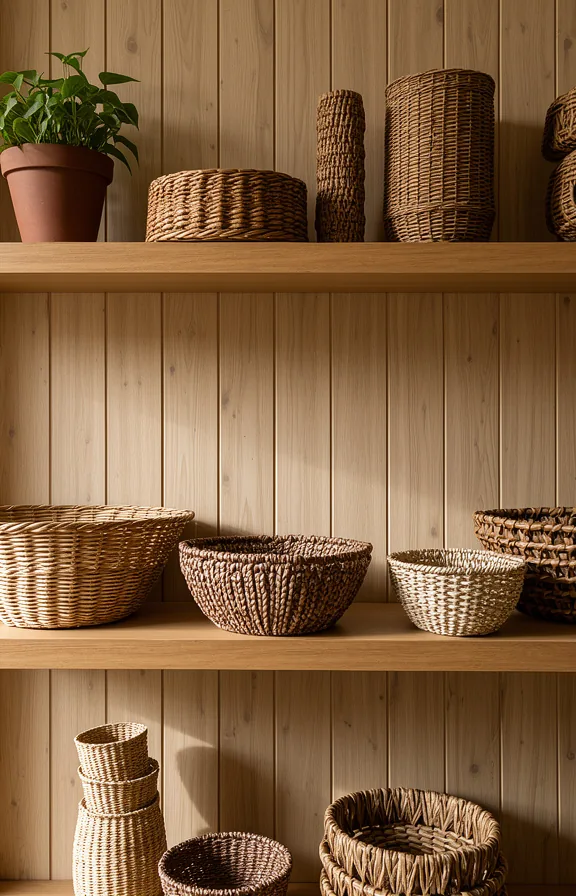
Low and wide across your wall, woven baskets replace framed art with textural function. The baskets sit on shallow wood shelves in a loose grid, creating rhythm without matching perfectly.
Cream, honey, and warm brown tones layer across the wall naturally. Each basket shows its own weave pattern, keeping the eye moving.
The natural wood shelves ground the baskets in warm tones. They sit at eye level or slightly below, making the display feel intimate rather than towering.
Soft, diffused light hits the basket textures without harsh shadows. The woven surfaces catch light gently, creating depth across the whole wall.
This creates a living storage wall that stores blankets, magazines, or keepsakes visibly. The space feels organized yet lived-in, not staged.
Your room gets architectural character from the layered textures alone. The mood is calm and collected, like someone thoughtful lives here.
This works best in rooms with solid wall space and good natural light. Most of the effect comes from arrangement and material choice, not structural changes.
Pro Tip: Vary basket sizes and weave tightness across the wall for visual interest. Tight, fine weaves read lighter; loose, open weaves add visual weight to anchor corners.
7. Terracotta and Rattan Entryway
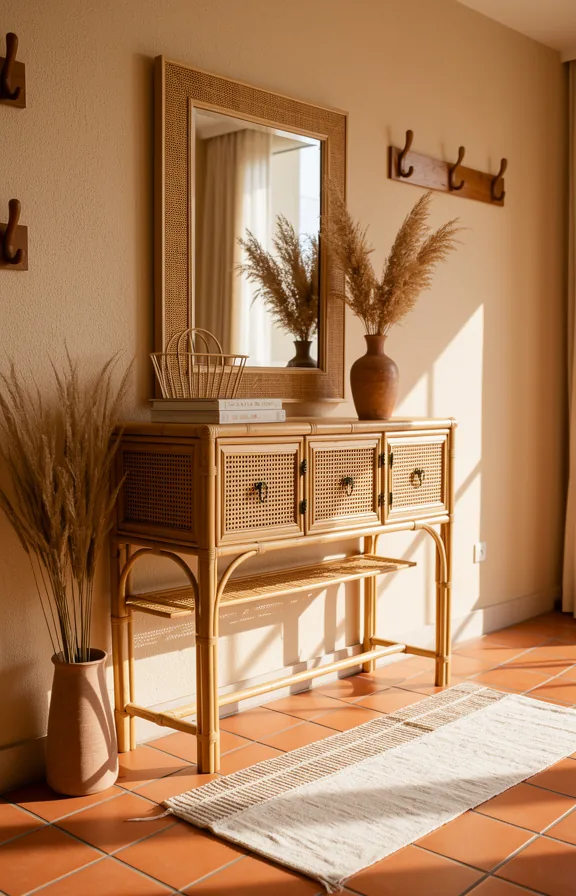
Rough terracotta tiles cover the floor in warm, earthy tones. A rattan console table sits low against the wall, its woven surface collecting light from above.
The walls stay neutral, either soft cream or pale sand. This makes the terracotta and natural rattan the natural focal points in your entry.
A woven rattan mirror hangs above the console, framed in the same material. This doubles the visual warmth without adding another colour.
Two or three linen baskets sit beneath the console table. They hold shoes, mail, or whatever needs hiding at the threshold.
Brass or gold hardware on the baskets echoes traditional African metalwork. Small touches like this anchor the afrohemian mood throughout.
Overhead lighting should be warm and softly diffused. A pendant with a rattan or woven shade works perfectly here.
This look suits homes with modest entry spaces or narrow hallways. Terracotta and rattan read as intentional even in tight quarters.
Pro Tip: Lay terracotta tiles in a straight pattern rather than diagonal. Straight lines make small entries feel less cramped and more purposeful.
8. Layered Linen Bedding Retreat
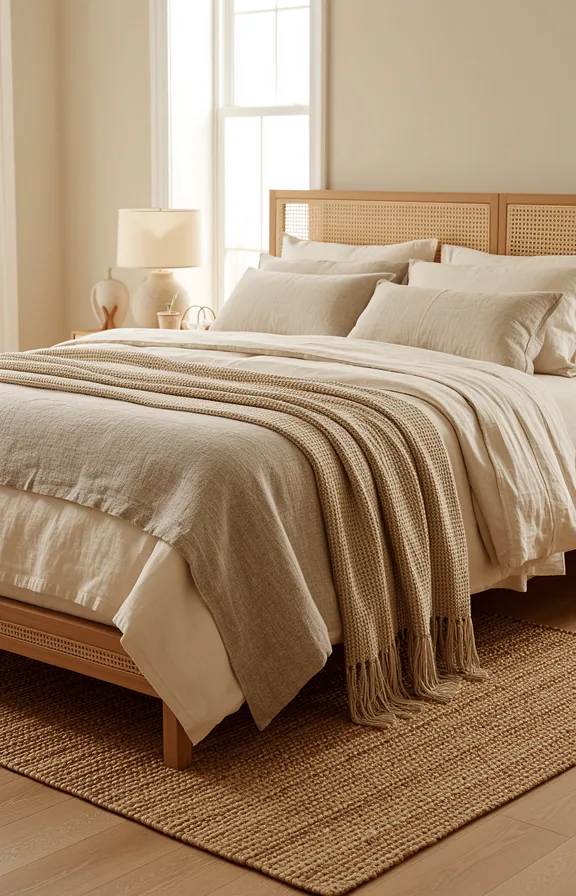
Cream and oatmeal linen layered on a low bed frame create the foundation of this retreat. Natural light filters through unlined linen curtains, casting soft shadows across the layers.
The colour palette moves between warm neutrals and touches of terracotta and sage. This restraint makes the texture of each layer the real visual focus.
Your bedding sits in visible layers. A flat sheet, a quilted linen throw, and loose pillows in graduated tones build depth without pattern.
Rattan storage sits low against the walls, keeping the eye horizontal. This makes the room feel wider and calmer than tall furniture would.
Warm light comes from bedside candles and a single brass floor lamp positioned low. The glow stays soft and intimate, never harsh overhead.
The atmosphere feels grounded and tactile, not airy or minimal. Every surface invites touch because of material choice, not styling tricks.
This works best in rooms with enough square footage for a low bed frame. Most of this look comes from textiles and placement. No structural changes needed.
Pro Tip: Layer your linen in odd numbers (three or five pieces). This creates visual rhythm without looking staged or overstuffed.
9. Rattan Room Divider Open Plan
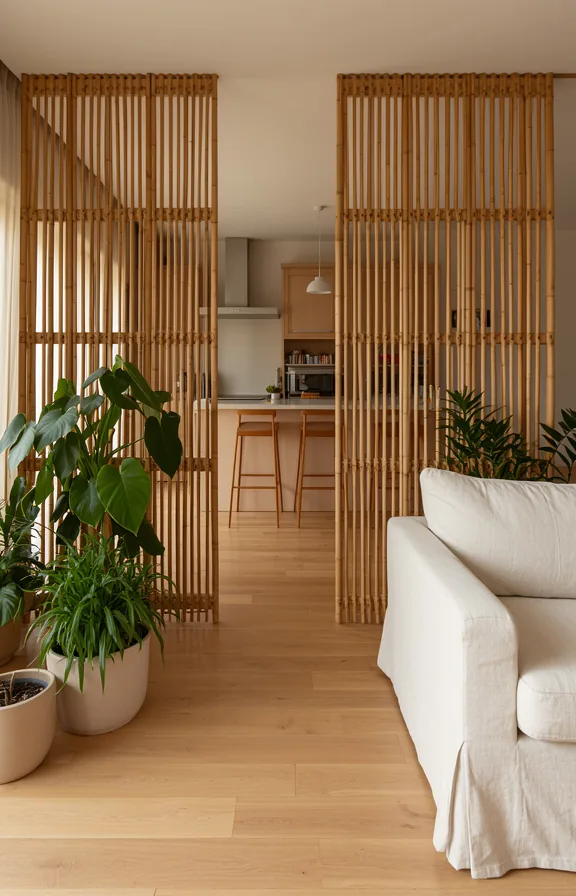
Natural woven rattan panels stand between your living and kitchen zones. Warm light filters through the open weave, casting soft shadows across your space.
The divider doesn’t block your room. It simply defines where one area ends and another begins.
Your colour palette stays unified across both zones: honey-toned rattan, cream linens, natural wood. This makes a small open plan feel intentional, not cramped.
On the living side, a low linen sofa faces out. Behind the divider, your kitchen stays visible but feels separated.
Overhead lighting casts a warm glow on the rattan weave. This creates depth and makes the divider feel like a design feature, not a barrier.
A few potted plants rest near the base of the divider. They ground the structure and add greenery without clutter.
This approach works best in apartments or smaller homes. The vertical rattan creates a visual break without eating floor space.
Most of this look comes from material choice and placement. No structural changes or complex installation required.
Pro Tip: Position your divider slightly off-centre rather than dead middle. This feels more natural and makes both zones feel larger.
10. Earth-Tone Linen Curtain Softness
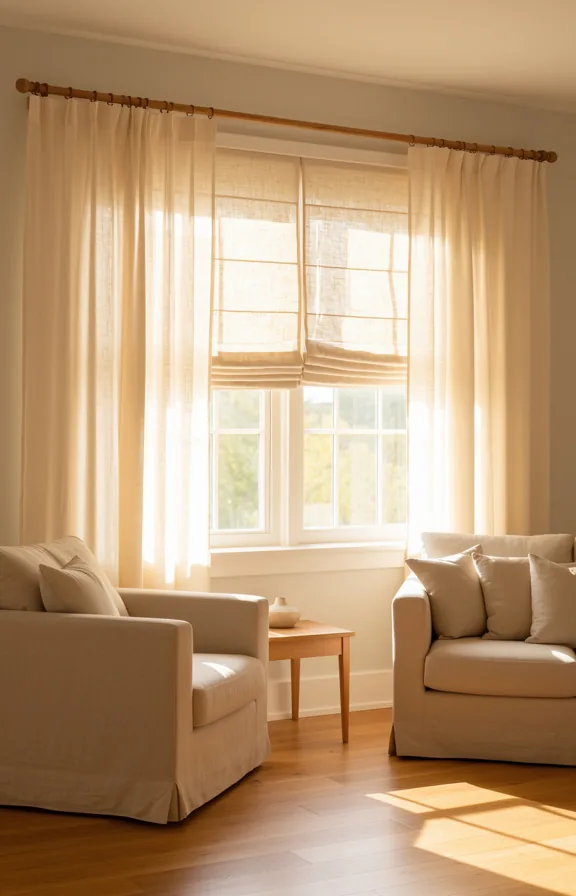
Warm afternoon light filters through floor-to-ceiling linen curtains in cream or soft taupe. The fabric moves gently, catching dust motes and casting soft shadows across bare walls.
Your room feels larger when linen panels frame windows simply. Natural fiber diffuses harsh sunlight without blocking it completely.
The colour palette stays quiet: cream, sand, warm grey, and pale ochre. Light wood furniture and rattan accents sit naturally in this soft, neutral environment.
This works best in rooms with good natural light. The concept relies entirely on how daylight moves through the fabric.
Linen softens architectural edges and makes small rooms feel taller. The slight texture prevents the space from feeling flat or sterile.
Paired with woven poufs, low wooden stools, and wicker baskets, the room gains warmth without clutter. Every element serves both function and visual calm.
The atmosphere reads as grounded and restful, not cold or minimal. This is softness that belongs to an Afrohemian home.
Pro Tip: Hang linen curtains from ceiling to floor, not just to the windowsill. Full length makes rooms feel intentional and increases perceived height.
11. Woven Headboard Feature Wall
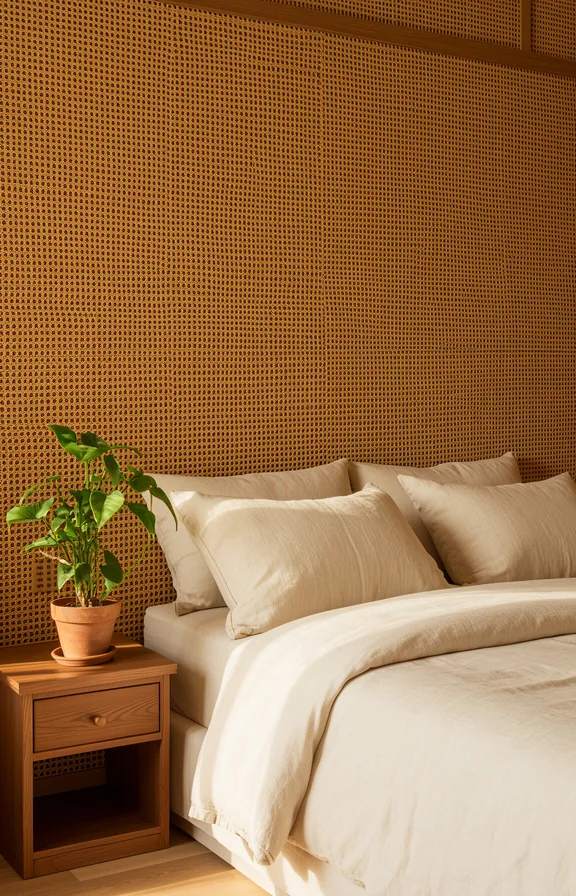
Warm honey tones cover the wall behind your bed. Woven rattan panels create texture that catches morning light differently each hour.
The headboard doesn’t sit alone in the room. It anchors everything else, from linen bedding to wooden furniture, into one cohesive story.
Your eye lands on the natural weave pattern first. The irregular knots and gaps let light pass through, softening shadows across your pillows.
The colour palette flows from this one decision. Cream, taupe, and soft grey textiles respond to the rattan’s warmth without competing.
Beside the bed, a simple wooden nightstand in natural finish grounds the space. The wood and rattan speak the same visual language.
Layered linen bedding in cream and oatmeal tones keeps the mood calm. The texture plays against the structured geometry of the woven wall.
Soft brass or wooden pendant lights hang to either side. They glow at eye level, creating an intimate reading corner at night.
A potted plant on the nightstand repeats the organic, living feeling. Green leaves echo the plant fibres above your head.
This concept works best in rooms with plain white or neutral walls. Most of the visual impact comes from scale and material, not paint or structural changes.
Pro Tip: Mount your woven headboard panel wide enough to span at least two-thirds of the wall. So it reads as a true feature rather than an afterthought. Seal the rattan seasonally with matte furniture wax to deepen its honey tone and protect it from humidity.
12. Rattan Mirror Frame Hallway Display
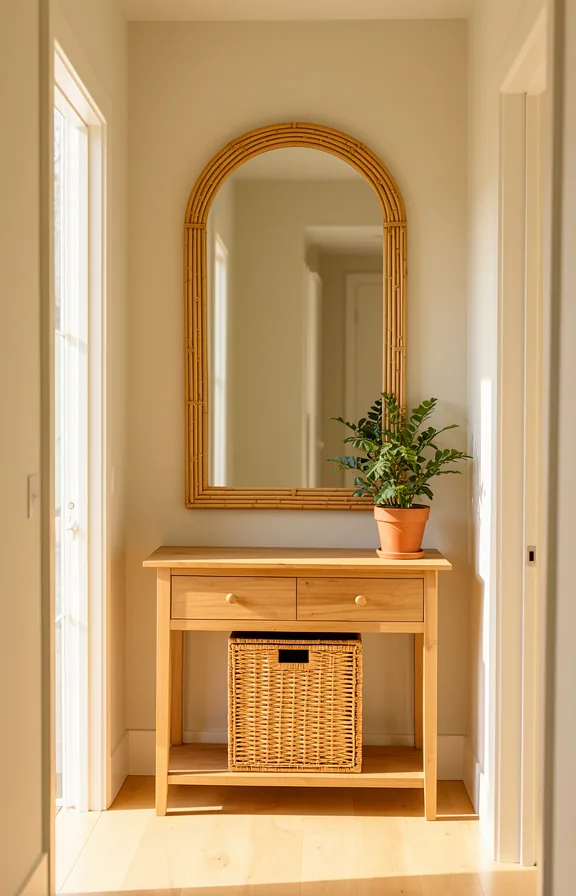
A large rattan-framed mirror hung on a hallway wall bounces light deeper into your home. The woven frame catches afternoon sun and creates moving shadows across cream or soft ochre walls.
Your hallway becomes a functional art piece, not just a pass-through space. The mirror reflects windows or skylights, making narrow corridors feel wider and brighter.
Pair the mirror with linen wall hangings or a single textile in warm neutrals. A small wooden bench below the mirror grounds the display and adds seating for putting on shoes.
Keep the surrounding wall simple and uncluttered for maximum impact. This approach works well in homes without hallway windows because the mirror becomes your primary light source.
Natural rattan in honey or tan tones pairs best with cream, sand, or warm grey walls. The colour contrast keeps the space from feeling flat or one-dimensional.
Add a low woven basket on the floor beside the bench for keys or mail. Plant a single potted plant nearby to soften the corner and bring living texture into the entryway.
Pro Tip: Hang your mirror at eye level or slightly above to reflect faces naturally, not ceilings.
13. Neutral Linen Upholstered Armchair
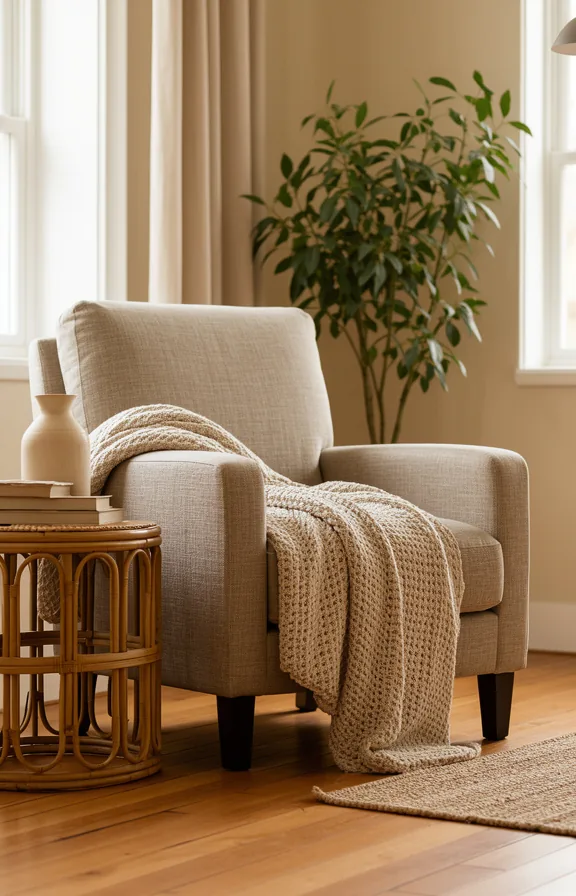
A single cream linen armchair anchors the corner where natural light pools strongest. Soft, undyed fabric catches the morning glow without competing for attention.
The chair sits low and wide, inviting you to sink in rather than perch. Wood frame details in warm oak or walnut ground the piece in earthiness.
Around it, woven rattan baskets tuck into the negative space beside the chair. A small side table in natural wood holds a ceramic cup or stack of books.
Layered textures surround the seating: jute area rug below, linen throw draped loose over the arm, linen or cotton cushions in cream, sand, or warm grey. The palette breathes because nothing competes for visual weight.
Soft afternoon light from a nearby window defines this corner as a quiet zone. The room feels edited, intentional, lived-in without clutter.
This concept suits homes with natural light on at least one wall. Most of this look relies on fabric choice and arrangement, not structural changes.
Pro Tip: Choose undyed or natural linen over bleached white for authenticity. It photographs warmer and ages beautifully over time.
14. Handwoven Basket Shelving System
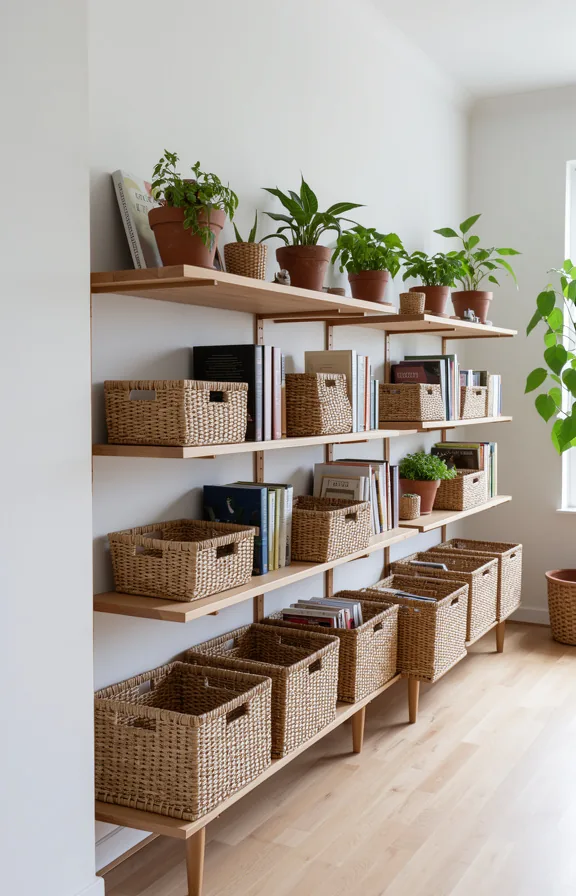
Warm natural wood shelves lined with woven baskets create rhythm across your wall. The texture shifts between smooth wood, rough rattan, and soft linen whenever you move past.
This shelving system combines open display with hidden storage in one visual statement. Your books, plants, and everyday items live inside stacked baskets rather than scattered across open shelves.
The colour palette stays intentional: cream linen liners, honey-toned rattan, and warm wood tones. Soft grey or white walls let the woven textures become the focal point.
Light hits the woven surfaces differently throughout the day, creating shadow play on your wall. This movement keeps the space feeling alive rather than static or staged.
The baskets collect dust less than open shelves with loose items stacked directly on wood. You can refresh the look by swapping which basket sits on which shelf.
This system works best in rooms where you need both storage and visual softness. Most of the impact comes from material choice and layering, not structural changes.
Pro Tip: Vary basket heights and weave densities across shelves for rhythm. Don’t line them all up at the same level or use identical sizes.
15. Rattan Ceiling Fixture Pendant Clusters
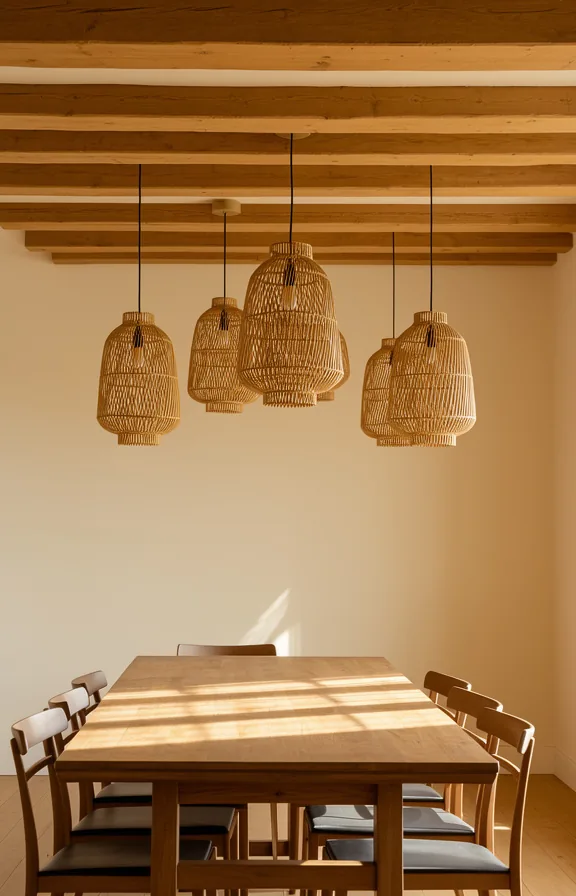
Warm amber light filters down through woven rattan pendants clustered above your table. The fixtures cast soft shadows across cream linen placemats and natural wood surfaces below.
This is the moment your room feels intentional. Three to five rattan globe pendants hung at varying heights create rhythm without feeling chaotic.
Your ceiling becomes architecture instead of empty space. The natural tan and honey tones of rattan glow when lit from inside.
Around the table, a terracotta-toned jute runner anchors the gathering space. Wooden dining chairs with woven seats repeat the rattan material from above.
The walls stay simple, letting texture come from ceiling treatment and furnishings. White or warm beige walls keep the focus on your hanging clusters.
Afternoon light hits the rattan differently each hour. The weave pattern casts new shadows across your table throughout the day.
This works best in rooms with eight-foot ceilings or higher. Vertical space lets the clusters hang without crowding your head or table.
Most of this look comes from lighting placement and material choice. No electrical rewiring needed if you work with existing ceiling fixtures.
Pro Tip: Hang your clusters at the edges of the table, not directly above center. This lights the space where people sit while keeping.
16. Linen Table Runner Dining Warmth
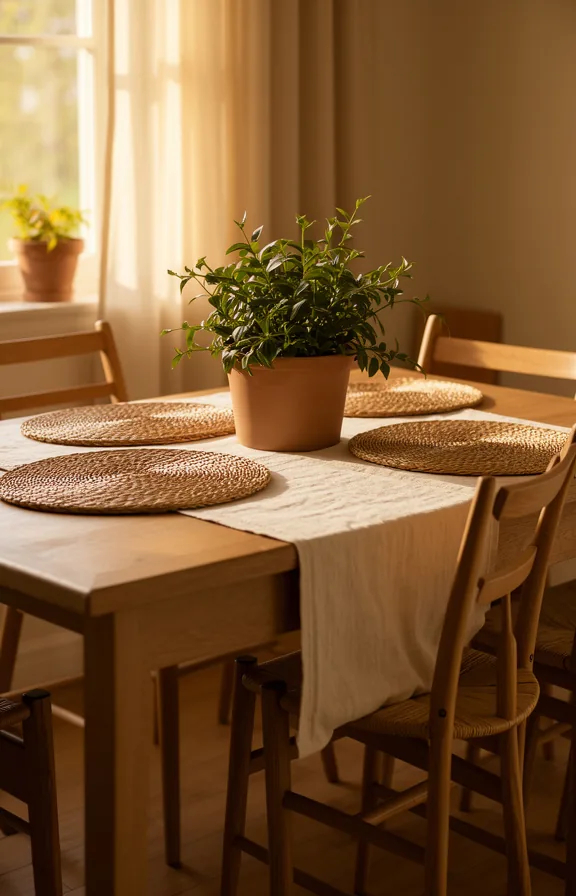
A cream linen runner down your table’s center anchors the whole dining moment. The fabric sits somewhere between natural beige and warm ivory, catching light differently as it moves.
Around this runner, your dining space becomes intentional and grounded. Rattan place mats underneath create a textured foundation that plays against the linen’s smooth drape.
Wooden chairs with natural finishes sit at the table’s edges, their grain visible and unfinished-looking. The wood tones echo the rattan warmth without matching it exactly.
Overhead, soft warm lighting hits the table from a low-hanging fixture or several clusters of candles. The light pools on the runner, making the linen glow instead of disappear.
Your dining room now feels like a place where people slow down and eat together. Everything says this moment matters, without looking fussy or expensive.
The colour palette stays narrow: creams, taupes, natural wood, muted ochre from clay dishes. This restraint is what makes the space feel calm rather than chaotic.
A single potted plant or dried grass arrangement sits at one end of the table. The height is low enough that people across from each other can still make eye contact.
Most of this look comes from textiles and lighting choices. No structural changes to your dining room are required at all.
Pro Tip: Always pre-wash your linen runner once before use to soften its natural texture beautifully. Layer it over rattan placemats to instantly add warmth and visual depth.
17. Natural Fiber Floor Pouf Collection
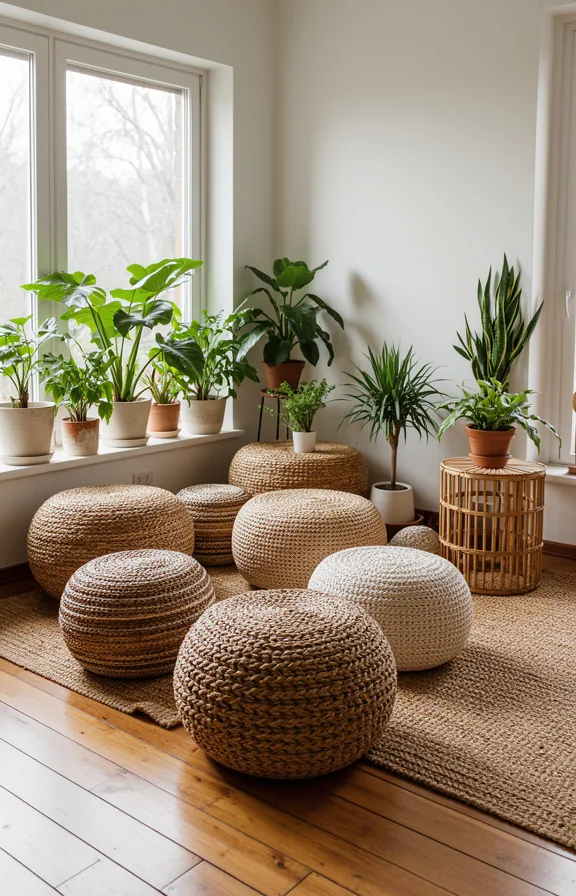
Warm jute and sisal poufs cluster on a light wood floor beside a low linen sofa. You notice how their rounded forms feel organic against the room’s straight lines and angles.
The palette stays monochromatic: cream, tan, and natural brown tones layered across the collection. This restraint makes the woven texture the real focal point, not color.
Soft, diffused light from a paper pendant above reveals every loop and fiber detail. The shadows between poufs add depth without drama or visual noise.
Your eye moves easily around the room because nothing competes for attention. Each pouf sits low and grounded, anchoring the furniture layout visually.
The atmosphere feels intentional but lived-in, like someone actually uses this space daily. Soft seating options scattered at varying heights invite people to sit where they feel comfortable.
This concept works best in rooms with neutral walls and minimal wall decor. The poufs become the textural anchor; everything else should stay quiet.
Most of this look relies on material variation rather than color shifts. Combining flat-weave jute with ribbed sisal creates visual interest without clashing.
Pro Tip: Group poufs in odd numbers at different heights for a natural, collected feel.
18. Rattan Console Table Entryway Style
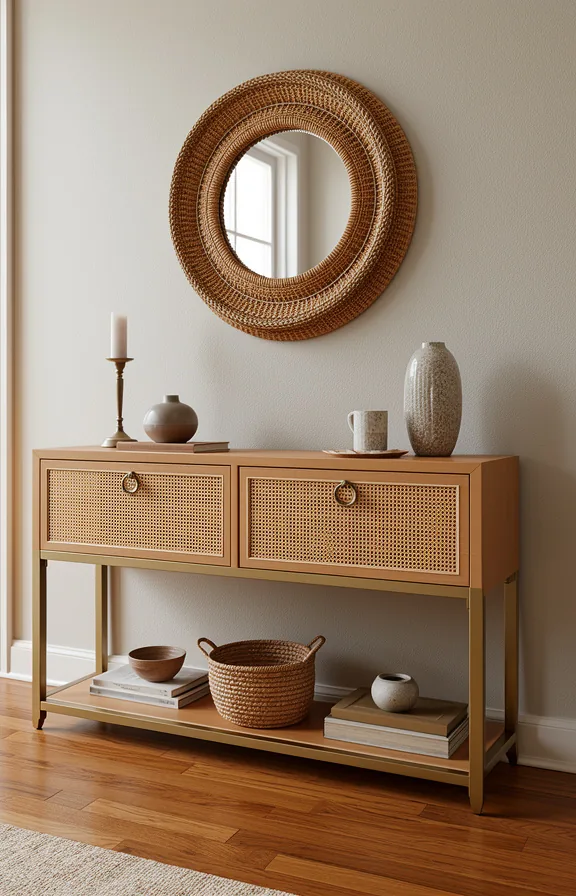
A woven rattan console sits low and wide against your entry wall. The warm honey tones ground the space before you step inside.
Above it hangs a circular woven mirror in matching rattan or jute. This creates vertical rhythm without taking up floor space.
The wall behind stays neutral: soft cream, warm white, or pale greige. This lets the rattan texture do the visual work.
Your console top holds only three to five objects maximum. A small terracotta pot, a brass candleholder, and a folded linen runner create intentional breathing room.
Below the console, a low woven basket tucks shoes or small items out of sight. It echoes the texture above and functions as storage.
Warm pendant lights or a brass wall sconce hang nearby at eye level. Soft light bounces off the rattan weave and makes the grain visible.
The floor beneath is raw wood, light tile, or a small natural fiber rug. Hard surfaces let the rattan become the focal point.
This concept works best in homes with at least five feet of clear wall space. Most of the effect comes from scale, spacing, and texture, not products.
Pro Tip: Keep your console surface clear enough to see the rattan weave beneath. Visual lightness matters more than filling every inch.
19. Cream Linen Area Rug Foundation
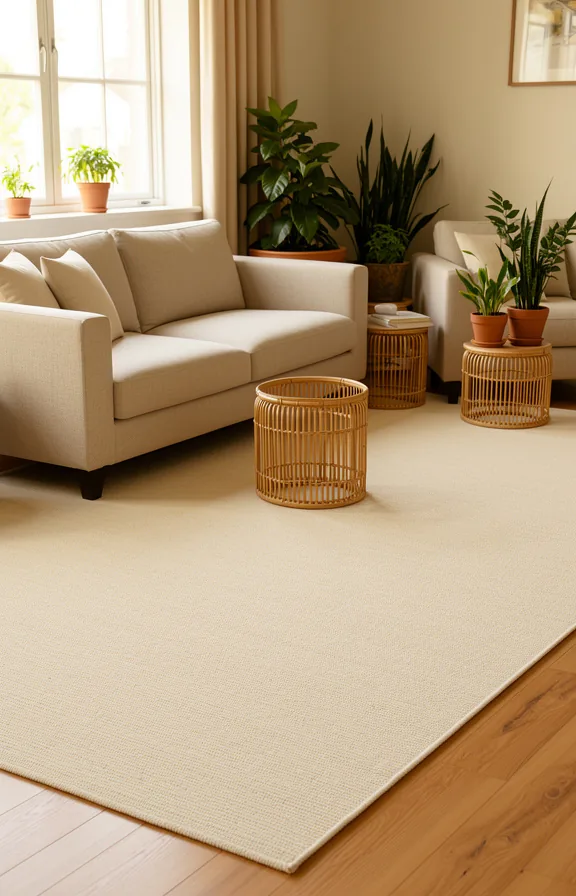
A cream linen rug anchors your entire room in calm neutrality. It’s the quiet background that lets everything else breathe and belong together.
The texture of natural linen fibers catches light differently throughout the day. Rough weave reads as intentional and handmade, never factory-flat.
Warm cream tones sit perfectly between white and beige. This shade works with terracotta, deep greens, rust, and natural wood without fighting.
Low-pile linen rugs show footprints and dust more easily than dense wool. Most people find this trade-off worth it for the airy, lived-in feeling.
Place your rug under seating to define the conversation area. The edges should peek out about 12 to 18 inches from furniture.
Layering a smaller patterned throw rug on top adds visual interest without overwhelming. This lets you change accents seasonally while keeping the foundation stable.
A cream base makes rattan and dark wood elements pop visually. The rug becomes the thread connecting different textures in your space.
Linen softens over time and becomes more supple with use. Budget for occasional gentle vacuuming and spot cleaning with cool water.
This look works best in homes where kids or pets live comfortably. The fabric shows life, which is exactly what you need.
Pro Tip: Always place a rug pad underneath your linen rug to prevent unwanted slipping safely. Rotate it every three months so it wears evenly and stays fresh.
20. Woven Wall Hanging Textile Feature
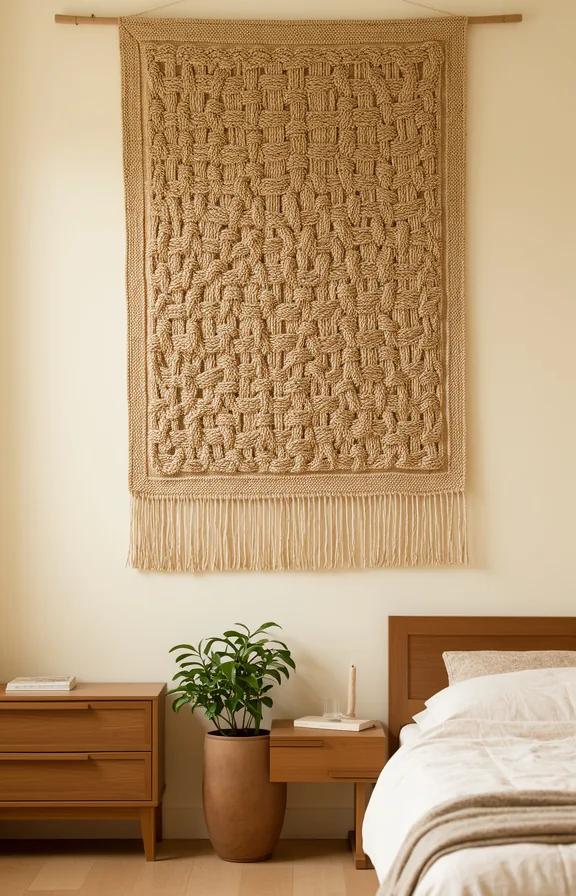
Cream walls hold a large woven textile at eye level. The piece pulls warmth into the room instantly.
Your wall hanging features natural fiber weaving in cream, tan, and rust tones. The loose weave lets soft light pass through it.
Below the textile sits a low wooden shelf or console table. A single potted plant or ceramic piece anchors the space below.
The whole corner feels grounded and intentional. It’s the kind of focal point that makes a room feel designed, not furnished.
Morning or afternoon light hits the textile and casts soft shadows. This changes how the piece reads throughout the day.
The color palette stays neutral and warm across everything. Think cream linen, natural wood tones, and terracotta pottery nearby.
This concept works best in rooms with blank wall space. One large hanging reads stronger than multiple small pieces clustered.
Most of this effect comes from choosing one statement textile and giving it breathing room. No structural changes needed.
Pro Tip: Hang your textile slightly above eye level, not centered. This draws the eye upward and makes ceilings feel taller.
21. Rattan Bedside Table Lamp Pairing
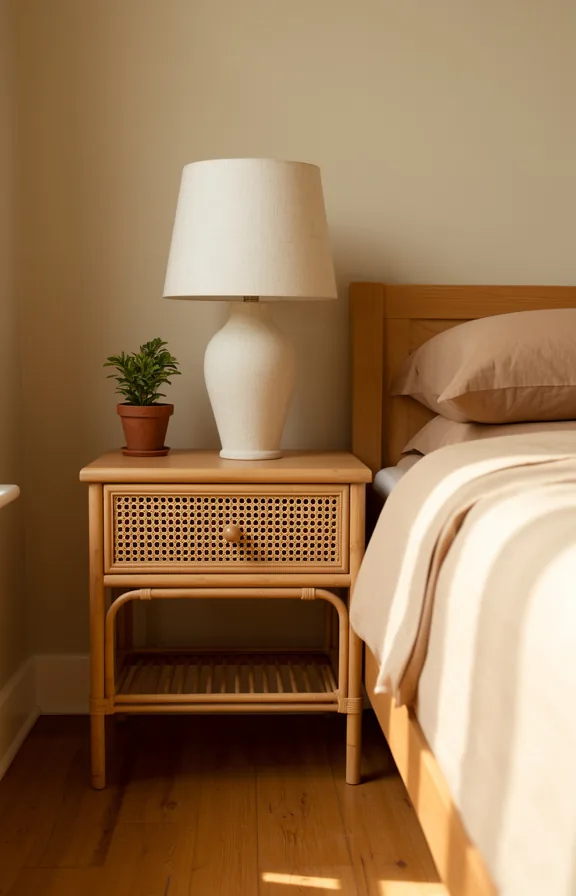
Warm amber light spills across cream linen from a lamp perched on woven rattan. The table itself becomes part of the glow, its natural weave glowing golden in the evening.
Your bedside gains intimate, grounded warmth from this pairing. The rattan base anchors the space while soft linen diffuses harsh overhead light.
This look works best in rooms where you read or spend quiet mornings in bed. The lighting quality transforms an entire corner into a retreat.
The colour palette stays neutral and warm: natural tan rattan, cream or oatmeal linen, warm brass or wood accents. No busy patterns compete for attention here.
Layer in a linen throw across your bed in the same warm tone. The eye travels seamlessly from lamp to bedding to table surface.
Rattan tables with open weave cast beautiful shadow patterns on your wall at night. This texture costs nothing but transforms the mood entirely.
Keep the table surface minimal: a small ceramic dish, one book, perhaps a potted succulent. Negative space matters more than decoration here.
Most bedrooms benefit from bedside lighting at or slightly below eye level when you’re lying down.
Pro Tip: Choose a warm-toned bulb under 2700K to enhance rattan’s golden natural glow. Keep your bedside table surface minimal so the lamp remains the clear focal point.
22. Linen Throw Pillow Layering Zone
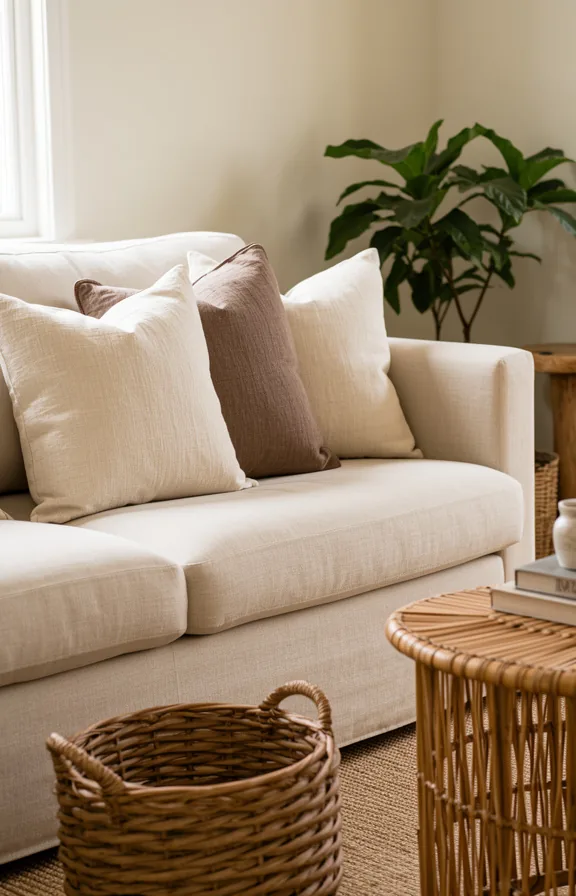
Cream and taupe linen pillows sit layered deep into a sofa corner. The pillows rest at different depths, creating visual rhythm without fuss.
Your colour palette stays tight: warm ivory, soft greige, and natural tan. This restraint makes the space feel cohesive rather than cluttered.
The pillows sit low enough that you see the sofa’s frame lines. This proportion keeps the layering grounded and architectural.
Most of your pillow stack comes from raw linen canvas with no pattern. Plain fabric lets texture and folds do the talking.
One or two pillows can have subtle woven detail or a loose macramé edge. This small variation adds interest without breaking your colour calm.
Morning light from a nearby window catches the linen weave and shows every thread. The fabric glows rather than reflects.
Your sofa needs enough depth to absorb five to seven pillows comfortably. This concept works best with deeper seating that reads lived-in, not stiff.
Pro Tip: Layer pillows from back to front in size, smallest facing forward. This creates depth and lets you see all your fabric textures at once.
23. Natural Jute Rope Wall Accents
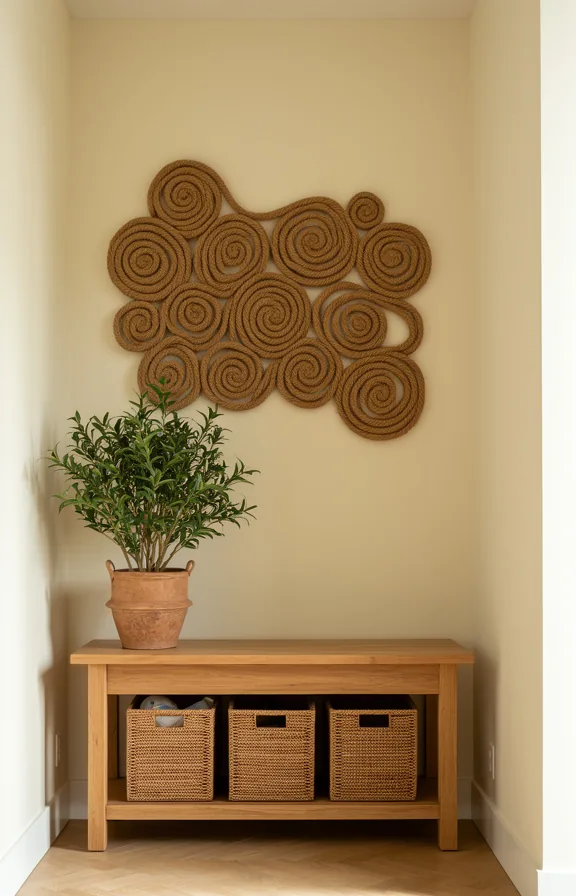
Rough jute rope spirals across your wall in organic, looping patterns. The texture catches light differently throughout the day, creating movement without clutter.
Your walls stay mostly bare, letting the rope become sculptural art. This works best in homes where negative space matters more than decoration.
The rope hangs loose and unstructured, reflecting natural fiber finishes that define Afrohemian style. It anchors a corner, frames a doorway, or creates a visual anchor above furniture.
Cream or off-white walls amplify the rope’s warm, sandy tone. The jute reads as warm earth against cooler paint, not stark against white.
Low, natural light from a single brass floor lamp highlights the rope’s woven texture. Shadows fall across the coils, making them feel three-dimensional and intentional.
This look requires only basic installation and zero commitment. Most of the effect comes from rope placement and wall color, not structural changes.
Pro Tip: Use painter’s tape to sketch your rope pattern first. This prevents regret and lets you visualize scale before securing anything.
24. Rattan Bar Cart Beverage Station
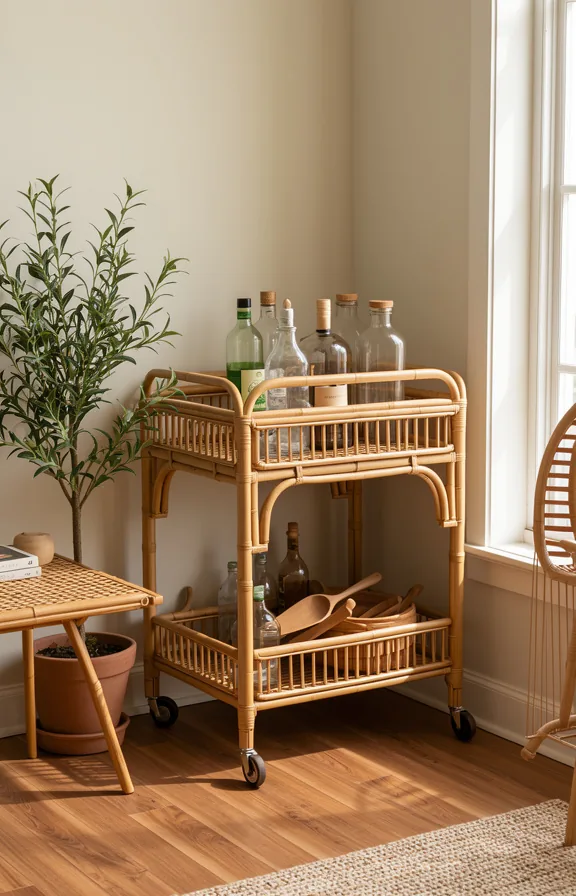
Low and wide across a corner shelf, a woven rattan cart holds your everyday drink setup. The natural tan weave catches warm afternoon light filtering through linen curtains.
The top tier displays glass bottles with warm amber liquids and clear drinking glasses. The second shelf holds linen napkins in cream and sage, rolled loosely for easy reach.
Dried palm fronds tuck behind the cart’s frame, adding vertical movement. Small terracotta cups and brass measuring spoons fill the bottom shelf’s remaining space.
The backdrop stays simple: a cream or oatmeal wall with no competing patterns. This lets the cart’s texture and function become the focal point.
Soft brass or warm-toned metal accents on the cart’s frame echo the room’s existing hardware. A single potted plant in dark ceramic sits beside the cart on the floor.
This concept works best in living rooms or kitchens where guests naturally gather. Most of the effect comes from thoughtful styling and light, not expensive pieces.
Pro Tip: Place your cart where natural light hits it directly. Rattan glows warmest in afternoon sunlight and reads better in phone photos.
25. Linen Canopy Bedroom Focal Point
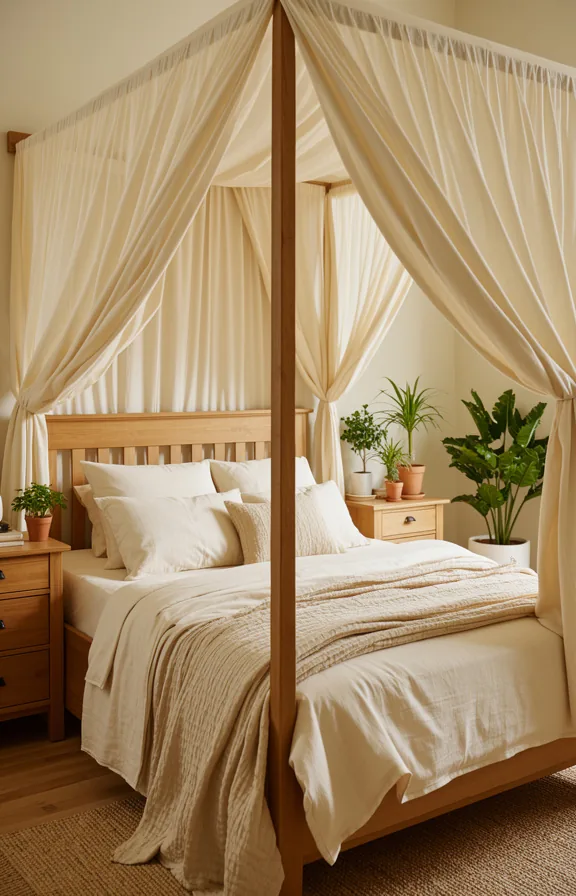
Cream linen fabric drapes from a simple wooden frame above your bed. The soft folds catch morning light and create a quiet, grounded bedroom atmosphere.
Your bed becomes the room’s natural anchor point when it has visual weight. A canopy structure draws the eye upward without requiring expensive custom carpentry or installation.
The colour palette stays neutral across the whole space. Warm wood tones, natural linen, and pale walls let the canopy do the visual work.
Soft, indirect lighting underneath the canopy frame matters more than overhead fixtures. Low, warm light makes the bedroom feel smaller and more protective.
Rattan storage pieces or a simple wooden nightstand anchor the look below the canopy. These materials echo the natural, organic quality of the linen fabric.
Layered textiles on the bed itself keep the space from feeling too minimal. A linen duvet, cotton throws, and a few solid-coloured pillows add depth without clutter.
This works well in bedrooms with standard 8 to 9-foot ceilings. The vertical scale makes smaller rooms feel more intentional and cohesive.
Most of this look comes from fabric choice and basic framing. No structural changes or high-level carpentry skills are actually needed.
Pro Tip: Use pre-washed linen for your canopy so it drapes softly with natural, relaxed folds. Mount the frame at least 12 inches above your headboard for ideal visual proportion.
Start with the woven rattan headboard at number eleven. It’s the easiest first step because you can build it using peel-and-stick rattan wallpaper over your existing headboard.
Pair it immediately with the layered linen bedding idea from number seven. These two together create an instant focal point that anchors the entire bedroom.
Your new room will feel thoughtfully designed without the designer price tag. Save this list and come back to it as your style grows.